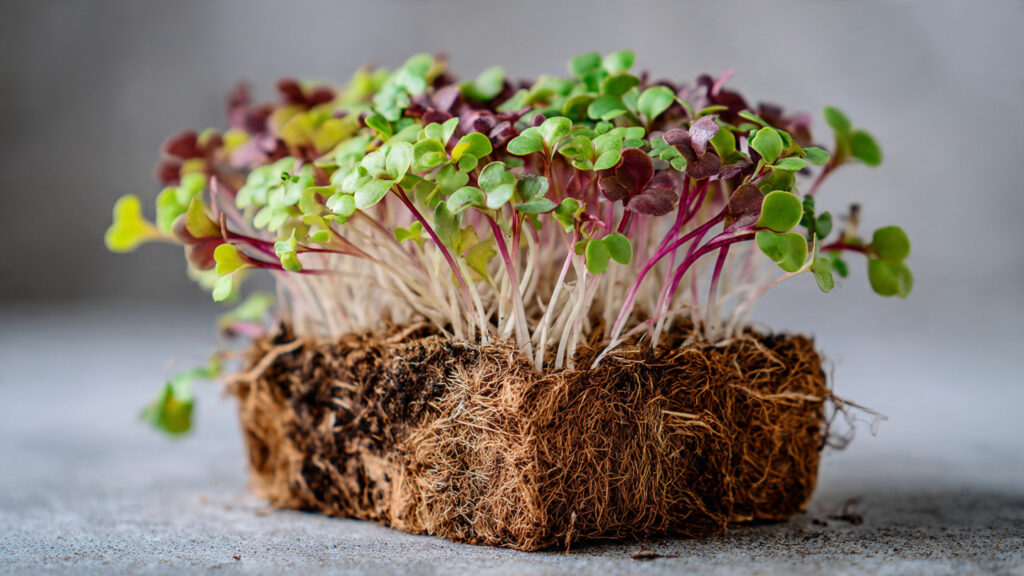
Microgreens have taken the culinary and gardening worlds by storm. These tiny, nutrient-packed greens are not only delicious but also easy to grow indoors, even for beginners. Traditionally grown in soil, microgreens can also thrive in alternative growing mediums like coconut coir, a sustainable and highly effective option. Coconut coir offers excellent water retention, aeration, and disease resistance, making it perfect for microgreens cultivation.
If you’ve ever wanted to grow fresh microgreens at home but worried about soil mess, pests, or complexity, this guide will show you how to grow them easily using coconut coir. From setup and seed selection to harvesting and troubleshooting, you’ll have all the tools you need for success.
What Are Microgreens and Why Grow Them?
Microgreens are young seedlings of vegetables, herbs, and edible flowers, harvested shortly after germination when the first true leaves appear. Unlike sprouts, which are grown entirely in water, microgreens are grown in a growing medium like soil, peat, or coconut coir.
Benefits of growing microgreens include:
- High Nutritional Value: Microgreens can contain up to 40 times more vitamins and antioxidants than mature vegetables.
- Quick Growth: Most microgreens are ready to harvest in 7–21 days.
- Indoor-Friendly: You can grow them in small trays on windowsills, balconies, or kitchens.
- Versatility: Microgreens can be used in salads, sandwiches, smoothies, and garnishes.
Using coconut coir makes the process even cleaner and beginner-friendly, eliminating soil-related concerns.
Why Coconut Coir Is Ideal for Microgreens
Coconut coir is a natural fiber extracted from the husks of coconuts. It has several advantages as a growing medium for microgreens:
- Excellent Water Retention: Keeps seeds consistently moist without becoming waterlogged.
- Aeration: Provides space for roots to breathe, promoting healthy growth.
- pH Neutral: Most coconut coir has a pH around 5.5–6.5, ideal for germination.
- Disease Resistance: Reduces the risk of soil-borne fungi and pathogens.
- Sustainable and Reusable: Coconut coir is environmentally friendly and can often be reused after composting.
These properties make coconut coir a perfect soil-free alternative for both beginners and experienced growers.
Materials Needed to Grow Microgreens With Coconut Coir
Before you start, gather the following materials:
- Coconut coir bricks or loose coir – Hydrated before use.
- Seed trays – Shallow trays with drainage holes are ideal.
- Microgreen seeds – Popular varieties include sunflower, radish, broccoli, basil, arugula, and mustard.
- Spray bottle or gentle watering can – For keeping coir moist.
- Light source – A bright windowsill or grow lights for indoor setups.
- Optional cover tray or humidity dome – Helps retain moisture during germination.
Having the right materials ensures your microgreens grow quickly, healthy, and without unnecessary hassle.
Step 1: Prepare the Coconut Coir
Coconut coir comes in compressed bricks or blocks. Here’s how to prepare it:
- Place the coir brick in a large container.
- Add water in a 1:5 ratio (1 part coir, 5 parts water) to rehydrate.
- Let it soak for 15–30 minutes until it expands and becomes fluffy.
- Break apart any clumps to create an even, airy growing medium.
- Drain any excess water; coir should be moist but not soggy.
The goal is a light, fluffy base that seeds can easily root into.
Step 2: Fill the Trays
- Spread the hydrated coconut coir evenly across the tray, about 1–2 inches thick.
- Gently press down to level the surface, but avoid compacting it tightly.
- Smooth the coir to create a uniform bed for germination.
Proper preparation ensures uniform growth and healthy roots.
Step 3: Sow the Seeds
Microgreens are usually sown densely, but not so crowded that seedlings compete for light:
- Evenly sprinkle seeds across the tray surface.
- Lightly press seeds into the coir to ensure contact, but do not bury them too deep. Most microgreen seeds require light to germinate.
- Optional: Cover lightly with a thin layer of coir or a humidity dome to maintain moisture.
Proper sowing ensures maximum germination and uniform growth.
Step 4: Watering and Humidity
Maintaining consistent moisture is key for microgreens:
➡️ How to Grow Malabar Spinach from Cuttings for Fast, Easy Greens
➡️ How to Grow Super Delicious Cabbage at Home Without a Garden
➡️ How to Grow Bean Sprouts at Home in Plastic Bottles Easily (Step‑by‑Step Guide)
➡️ Why is Your Lemon Tree Blooming in the Heart of Winter?
➡️ Why Should Your Garden Have a Dedicated Pollinator Highway?
➡️ Why Do Your Fruit Trees Need a Winter Wash to Thrive in Spring?
➡️ How Can Rice Water Transform Your Fruits into Sweeter Delights?
➡️ Jumpstart Your Winter Garden: Seed Starting Under Lights
- Use a spray bottle to mist the coir and seeds gently, avoiding displacement.
- Keep coir consistently damp, not soaked.
- Cover trays with a humidity dome or another tray to retain moisture during germination.
- Once seedlings sprout, remove the cover to prevent mold growth.
Coconut coir’s excellent water retention helps maintain the perfect balance without overwatering.
Step 5: Provide Light
Microgreens need ample light for strong, vibrant growth:
- Place trays on a bright windowsill with indirect sunlight.
- For low-light areas or winter growing, use LED grow lights 12–16 hours per day.
- Rotate trays periodically to ensure even growth and prevent leaning.
Light exposure encourages sturdy stems, vibrant color, and optimal nutrient content.
Step 6: Harvesting Microgreens
Most microgreens are ready to harvest 7–21 days after germination, depending on the variety:
- Look for true leaves—the second set of leaves after the seed leaves (cotyledons).
- Use scissors to cut microgreens just above the coir surface.
- Harvest gradually or all at once, depending on the tray size and plant type.
Freshly harvested microgreens are ready to eat, store, or add to recipes immediately.
Tips for Success With Coconut Coir Microgreens
- Avoid Overwatering: Excess water can lead to mold. Mist lightly and frequently instead of flooding.
- Monitor Humidity: High humidity during germination helps seeds sprout but should be reduced after leaves appear.
- Rotate Trays: Ensures uniform growth and prevents seedlings from leaning toward light.
- Experiment With Varieties: Different seeds have varying growth times and flavors. Mix radish, sunflower, or basil for variety.
- Reuse Coir Carefully: After harvesting, compost used coir or save it for a second crop if clean and free of mold.
These small steps make microgreens cultivation easy, even for beginners.
Troubleshooting Common Issues
Even with coconut coir, some challenges may arise:
- Mold Growth: Often caused by excessive moisture or poor air circulation. Remove affected areas and reduce watering frequency.
- Leggy Seedlings: Too little light causes weak, elongated stems. Move trays to brighter light or use grow lights.
- Poor Germination: Check seed quality and ensure coir is properly hydrated. Some seeds require soaking before planting.
- Discolored Leaves: Yellow or brown leaves indicate overwatering or nutrient deficiency. Adjust water and consider liquid fertilization for nutrient-poor coir.
Understanding these issues ensures consistent success with minimal stress.
Benefits of Growing Microgreens in Coconut Coir
Using coconut coir instead of soil offers several advantages:
- Clean and Soil-Free: Minimal mess indoors.
- Sustainable: Coir is a renewable resource, unlike peat moss.
- Disease-Resistant: Less risk of soil-borne pathogens or pests.
- Easy to Handle: Lightweight and easy to fill in trays.
- Fast Growth: Supports rapid germination and strong root development.
For beginners, coir simplifies microgreens cultivation while delivering maximum yield and nutritional benefits.
Where to Use Your Microgreens
Microgreens are versatile and can enhance your meals:
- Salads: Add a burst of flavor, color, and nutrients.
- Sandwiches and Wraps: Layer for crunch and taste.
- Smoothies: Blend with other greens for a nutrient boost.
- Garnishes: Sprinkle on soups, pasta, or omelets for visual appeal and flavor.
Growing microgreens at home ensures fresh, pesticide-free greens available year-round.
Final Thoughts
Growing microgreens with coconut coir is an easy, clean, and beginner-friendly method to enjoy fresh, nutrient-dense greens indoors. With the right setup, seeds, and care, anyone can cultivate microgreens in small spaces without soil, making gardening accessible to apartment dwellers, urban growers, and kitchen gardeners.
By following this complete guide—hydrating coconut coir, sowing seeds correctly, maintaining moisture, providing light, and harvesting at the right time—you can enjoy fresh, flavorful, and highly nutritious microgreens throughout the year.
Whether you’re looking to enhance your meals, improve your health, or explore indoor gardening, coconut coir microgreens offer a simple, rewarding, and sustainable way to grow food at home. With consistent care and attention, your indoor microgreen garden will flourish, proving that no soil really is no problem.