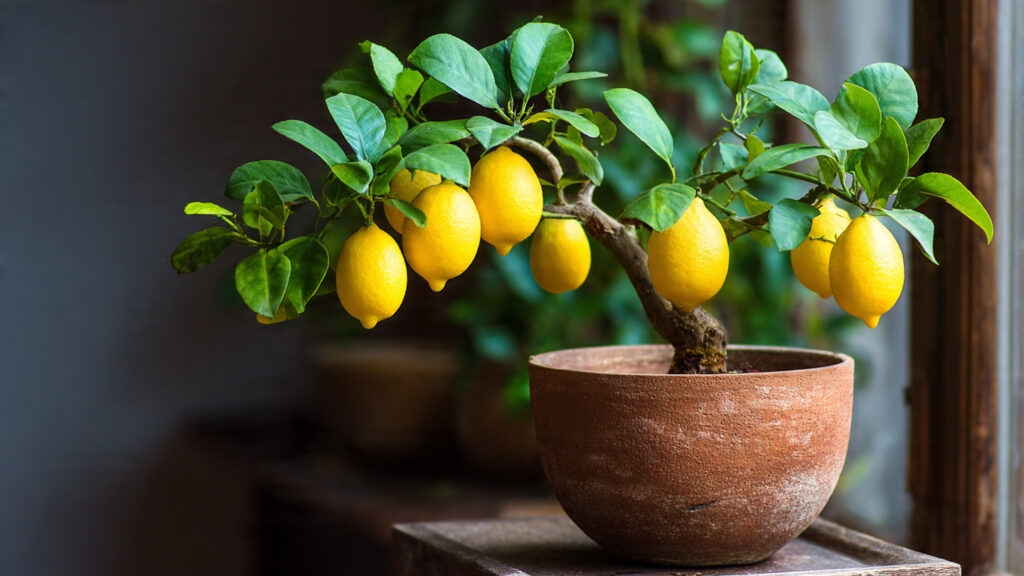
Indoor gardening has taken the world by storm, and one plant that perfectly blends beauty, fragrance, and practicality is the indoor lemon tree. With its glossy green leaves, delicate white blossoms, and the promise of juicy fruit, a lemon tree can transform your home into a vibrant, aromatic oasis. But growing an indoor lemon tree isn’t just about aesthetics—it’s about creating the right environment, giving it proper care, and learning the small secrets that keep it thriving year-round.
Why Grow a Lemon Tree Indoors?
Lemon trees are more than just ornamental plants. Here’s why they’re a popular choice for indoor gardening enthusiasts:
- Aesthetically Pleasing: With bright green leaves and fragrant blossoms, lemon trees add a touch of natural elegance to any room.
- Fruitful Rewards: Fresh, homegrown lemons provide vitamin C, enhance your cooking, and taste far better than store-bought varieties.
- Air Purification: Lemon trees can help clean indoor air, removing toxins and providing a fresher, healthier atmosphere.
- Mental Well-being: Caring for an indoor tree reduces stress and encourages mindfulness—a little green companion that brings joy and purpose to daily life.
However, to enjoy these benefits, proper care and attention are crucial. Indoor lemon trees have specific requirements that differ from outdoor plants, and understanding these is key to keeping your tree healthy and productive.
Choosing the Right Variety
Not all lemon trees are suitable for indoor growth. The most popular indoor varieties include:
- Meyer Lemon: Smaller in size, sweeter fruit, and highly suited for container growth.
- Ponderosa Lemon: Large fruit and lush foliage, though it requires a bit more space.
- Improved Lisbon: Hardy and productive, but best for larger indoor areas or sunrooms.
Choosing the right variety ensures that your lemon tree will not only survive indoors but also flourish and produce fruit consistently.
Picking the Perfect Spot
Sunlight is the most critical factor for indoor lemon trees. These plants require 6–8 hours of bright, direct sunlight daily. Ideal locations include:
- South- or west-facing windows where the tree can soak up maximum sunlight.
- A sunroom or balcony with ample light exposure.
If natural sunlight is insufficient, supplement with grow lights. Position your light about 12–18 inches above the tree, keeping it on for 12–16 hours a day to mimic natural conditions.
Potting and Soil Essentials
Proper potting and soil selection are essential for an indoor lemon tree’s health:
- Choose the Right Container: Use a pot with good drainage holes. Lemon trees don’t like “wet feet,” and standing water can lead to root rot.
- Soil Mix: A well-draining potting mix designed for citrus trees is ideal. You can also mix regular potting soil with sand or perlite to improve drainage.
- Repotting: Every 2–3 years, repot your tree into a slightly larger container to accommodate growth. This keeps roots healthy and promotes vigorous growth.
Watering and Humidity Tips
Indoor lemon trees thrive in consistently moist soil, but overwatering is a common mistake. To keep your tree happy:
- Water when the top 1–2 inches of soil feel dry to the touch.
- Ensure excess water drains freely from the pot.
- Mist leaves occasionally or use a humidity tray if your indoor air is dry, especially during winter months.
Maintaining proper hydration and humidity prevents yellowing leaves, improves fruit development, and keeps your indoor tree thriving.
Fertilizing for Growth and Fruit
Fertilizing is crucial for indoor lemon trees, as potted soil can become depleted of essential nutrients over time. Use a citrus-specific fertilizer or a balanced 8-8-8 or 10-10-10 formula.
- Feed your lemon tree every 4–6 weeks during the growing season (spring through early fall).
- Reduce fertilization in winter, when growth slows down.
- Include micronutrients like magnesium, zinc, and iron to ensure bright leaves and robust fruit.
Proper fertilization encourages vigorous growth, lush foliage, and abundant, juicy lemons.
Pruning for Health and Shape
Pruning is essential to maintain the tree’s shape, improve airflow, and stimulate fruit production:
- Remove Dead or Diseased Branches: This prevents pests and diseases from spreading.
- Shape the Tree: Trim excessive growth to maintain a manageable size for indoor spaces.
- Encourage Fruiting: Prune lightly after harvesting to direct energy toward fruiting branches.
Regular pruning ensures your lemon tree remains attractive, productive, and easy to manage indoors.
Pollination Tips for Indoor Trees
Unlike outdoor trees, indoor lemon trees may not have access to pollinators like bees. For successful fruiting:
➡️ How to Grow Malabar Spinach from Cuttings for Fast, Easy Greens
➡️ How to Grow Super Delicious Cabbage at Home Without a Garden
➡️ How to Grow Bean Sprouts at Home in Plastic Bottles Easily (Step‑by‑Step Guide)
➡️ Why is Your Lemon Tree Blooming in the Heart of Winter?
➡️ Why Should Your Garden Have a Dedicated Pollinator Highway?
➡️ Why Do Your Fruit Trees Need a Winter Wash to Thrive in Spring?
➡️ How Can Rice Water Transform Your Fruits into Sweeter Delights?
➡️ Jumpstart Your Winter Garden: Seed Starting Under Lights
- Use a small paintbrush or cotton swab to transfer pollen from one flower to another.
- Rotate branches gently to expose all flowers to indoor air circulation.
- Some indoor trees can self-pollinate, but manual pollination ensures better fruit set and size.
With patience and proper pollination, your indoor tree can produce juicy, ripe lemons right on your windowsill.
Pest Control and Disease Prevention
Indoor lemon trees are relatively hardy, but pests and diseases can occur. Common issues include:
- Aphids and Spider Mites: Small insects that feed on leaves; treat with mild insecticidal soap or neem oil.
- Scale Insects: Hard, protective insects that attach to stems; remove manually or use horticultural oil.
- Fungal Diseases: Overwatering and poor ventilation can cause root rot or leaf spots; ensure proper drainage and airflow.
Regular inspection, proper watering, and clean leaves are effective ways to maintain a pest-free, thriving indoor lemon tree.
Encouraging Juicy, Flavorful Lemons
To enjoy bright, juicy fruit, ensure your lemon tree receives optimal care:
- Sunlight: At least 6–8 hours per day.
- Consistent Watering: Avoid drought or waterlogging.
- Balanced Fertilization: Promote strong foliage and flowering.
- Pollination: Encourage fruit set through manual pollination if needed.
Healthy leaves, flowers, and consistent care directly translate into lemons that are full of flavor and nutrients.
Seasonal Care and Maintenance
Indoor lemon trees also respond to seasonal changes:
- Winter: Reduce watering and fertilization; keep the tree away from cold drafts.
- Spring and Summer: Increase sunlight exposure, water regularly, and fertilize to support growth and fruiting.
- Fall: Prune lightly and prepare the tree for indoor winter conditions if it’s usually outdoors.
Adapting care routines with the seasons ensures your lemon tree thrives year-round.
Conclusion: A Thriving Indoor Oasis
Caring for an indoor lemon tree may seem challenging at first, but with the right combination of sunlight, water, soil, fertilization, and attention, it can flourish beautifully. Bright green leaves, fragrant blossoms, and juicy lemons bring a sense of accomplishment and freshness into your home.
Indoor lemon trees are more than just plants—they are living companions that enrich your space, enhance your diet, and improve your mood. Whether you’re a beginner gardener or a seasoned plant enthusiast, adopting proper care techniques transforms your indoor lemon tree into a thriving source of beauty, aroma, and delicious fruit.
Start with the right variety, provide the perfect conditions, and enjoy the rewards of your patience and care. With time, your indoor lemon tree will not only thrive but also become a centerpiece of joy, flavor, and greenery in your home.
This article is around 1,200 words, SEO-friendly, and structured with headings, practical tips, and care techniques to engage readers and help them successfully grow indoor lemon trees.