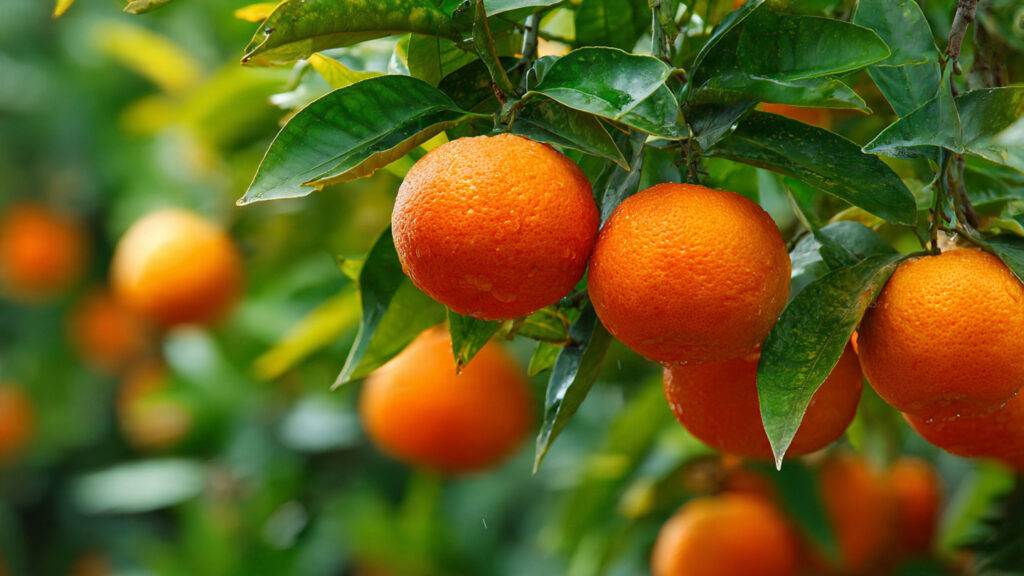
Oranges are one of the most beloved fruits worldwide, bursting with flavor, nutrients, and that unmistakable citrus aroma. But did you know that the orange you enjoy as a snack could be the starting point for a thriving citrus tree in your home? Growing an orange tree from a fresh orange may sound ambitious, but with the right steps, patience, and care, anyone can transform a simple fruit seed into a beautiful, fruit-bearing tree. This guide will take you through the process, from selecting the fruit to nurturing a healthy orange tree.
1. Selecting the Right Orange
The journey to growing your own orange tree begins at the grocery store or your fruit basket. Not all oranges are ideal for planting, so careful selection is key.
Tips for Choosing the Best Fruit:
- Use fresh, organic oranges if possible. Organic oranges are less likely to have been treated with chemicals that prevent seed germination.
- Pick a ripe, healthy orange with firm flesh and no signs of rot, bruising, or mold.
- Avoid store-bought oranges labeled as “seedless.” Only oranges with seeds can start your citrus adventure.
Once you’ve selected your fruit, it’s time to extract the seeds.
2. Preparing the Seeds
Oranges contain small, tough seeds, and preparing them correctly is crucial for successful germination.
Steps to Prepare Orange Seeds:
- Remove the seeds carefully from the orange, avoiding any damage.
- Rinse the seeds under lukewarm water to remove pulp. Residual fruit material can encourage mold or fungal growth.
- Optional: Soak the seeds in water for 24 hours to soften the seed coat. This step can help speed up germination.
- Scarify the seeds gently by rubbing them lightly with sandpaper to weaken the outer shell. This allows water to penetrate and encourages sprouting.
Properly prepared seeds increase your chances of healthy seedlings and a strong future tree.
3. Planting Your Seeds
Planting is where your orange tree journey truly begins. With the right soil, container, and technique, your seeds can sprout into vigorous seedlings.
Planting Tips:
- Choose a small pot with drainage holes. Seedlings are delicate and benefit from controlled soil conditions.
- Use well-draining soil, preferably a mix of potting soil, sand, and perlite to mimic citrus-growing conditions.
- Plant seeds ½ inch deep, covering lightly with soil.
- Water gently after planting to moisten the soil without washing the seeds away.
- Cover the pot with plastic wrap or a clear lid to create a mini greenhouse effect, keeping humidity high.
Keep the soil moist but not soggy. Within 2–3 weeks, tiny green sprouts may emerge, signaling the start of your orange tree.
4. Caring for Seedlings
Seedlings require careful attention to grow into strong, fruit-bearing trees. Their health during these early stages sets the foundation for future growth.
Seedling Care Tips:
- Light: Place the seedlings in a bright, sunny location. Orange seedlings need 8–12 hours of sunlight daily. A south-facing window or supplemental grow lights works well.
- Watering: Maintain consistent moisture, but avoid waterlogging. Overwatering can cause root rot.
- Temperature: Keep seedlings in temperatures between 65–75°F (18–24°C). Avoid drafts or sudden cold exposure.
- Transplanting: Once the seedlings develop 4–6 true leaves, they can be transplanted into a larger pot to accommodate growing roots.
Patience is key. Seedlings grow slowly, and rushing the process can harm their development.
5. Transitioning to a Mature Orange Tree
As your orange tree grows, it will eventually require a larger home and more structured care to thrive.
Potting and Soil:
➡️ How to Grow Malabar Spinach from Cuttings for Fast, Easy Greens
➡️ How to Grow Super Delicious Cabbage at Home Without a Garden
➡️ How to Grow Bean Sprouts at Home in Plastic Bottles Easily (Step‑by‑Step Guide)
➡️ Why is Your Lemon Tree Blooming in the Heart of Winter?
➡️ Why Should Your Garden Have a Dedicated Pollinator Highway?
➡️ Why Do Your Fruit Trees Need a Winter Wash to Thrive in Spring?
➡️ How Can Rice Water Transform Your Fruits into Sweeter Delights?
➡️ Jumpstart Your Winter Garden: Seed Starting Under Lights
- Move your tree to a pot at least 12–18 inches in diameter as it grows.
- Use well-draining citrus soil enriched with compost or organic matter.
- Ensure pots have proper drainage to prevent waterlogging.
Sunlight and Environment:
- Orange trees need full sun, ideally 6–8 hours a day. Outdoors is ideal in warm climates, but indoors, supplement with a grow light.
- Avoid sudden changes in environment; consistency in light, temperature, and humidity promotes healthy growth.
Pruning and Shaping:
- Prune your orange tree lightly to encourage branching and remove any dead or damaged leaves.
- Pruning helps the tree maintain shape and supports fruit production in the long term.
6. Fertilizing Your Orange Tree
Nutrition is crucial for your orange tree’s health. Fertilizing provides essential nutrients that support leaf growth, flowering, and fruit development.
Fertilization Tips:
- Use a balanced fertilizer with nitrogen, phosphorus, and potassium (NPK), specially formulated for citrus trees.
- Apply fertilizer every 4–6 weeks during the growing season (spring to early fall).
- Reduce or pause fertilization in winter when growth slows.
- Monitor your tree for nutrient deficiencies, such as yellowing leaves, and adjust feeding accordingly.
Proper fertilization ensures your orange tree has the strength to bloom and eventually produce fruit.
7. Pollination and Flowering
Growing an orange tree from seed requires patience. Most orange trees grown from seeds can take 3–6 years before flowering and producing fruit. Understanding the pollination process is key.
Pollination Tips:
- Indoor orange trees may need manual pollination. Use a small brush or cotton swab to transfer pollen between flowers.
- Outdoor trees benefit from bees and other pollinators.
- Consistent watering and fertilization improve flower health and fruit set.
Once flowers develop and are pollinated, tiny oranges will start forming, bringing the reward for years of care.
8. Common Challenges and Solutions
Growing an orange tree from a fresh orange comes with challenges, but most are manageable with proper care.
Challenges:
- Slow growth: Patience is essential; seedlings develop slowly in their first year.
- Pests: Watch for aphids, spider mites, and scale insects. Use insecticidal soap or neem oil to control infestations.
- Root rot: Ensure pots drain well and avoid overwatering.
- Leaf yellowing: Could indicate nutrient deficiency or improper watering. Adjust care as needed.
Addressing these issues early keeps your orange tree healthy and productive.
9. Harvesting Your First Oranges
After several years of growth, your patience will pay off. Once your tree starts producing fruit, it’s important to harvest at the right time for the best flavor.
Harvest Tips:
- Oranges are typically ripe when fully colored and slightly soft to the touch.
- Pick oranges carefully, twisting them gently off the branch to avoid damaging the tree.
- Enjoy the fruits fresh, or use them for juices, marmalades, or desserts.
Watching your snack turn into a homegrown orange tree with delicious fruit is one of the most rewarding experiences in gardening.
Conclusion
Growing an orange tree from a fresh orange may require patience, dedication, and consistent care, but the rewards are extraordinary. From selecting the perfect fruit and preparing the seeds, to nurturing seedlings and caring for a mature tree, each step brings you closer to a thriving citrus tree. With proper attention to sunlight, watering, fertilization, and pest control, you can enjoy the satisfaction of homegrown oranges and the beauty of a vibrant indoor or outdoor citrus tree.
Whether you’re a beginner gardener or an experienced plant enthusiast, this journey demonstrates how something as simple as a snack can evolve into a flourishing, fruit-bearing tree. The process not only nurtures a plant but also cultivates patience, knowledge, and a deep connection to the natural world.
Start today, and let your fresh orange seed grow into a symbol of growth, care, and sweet success.