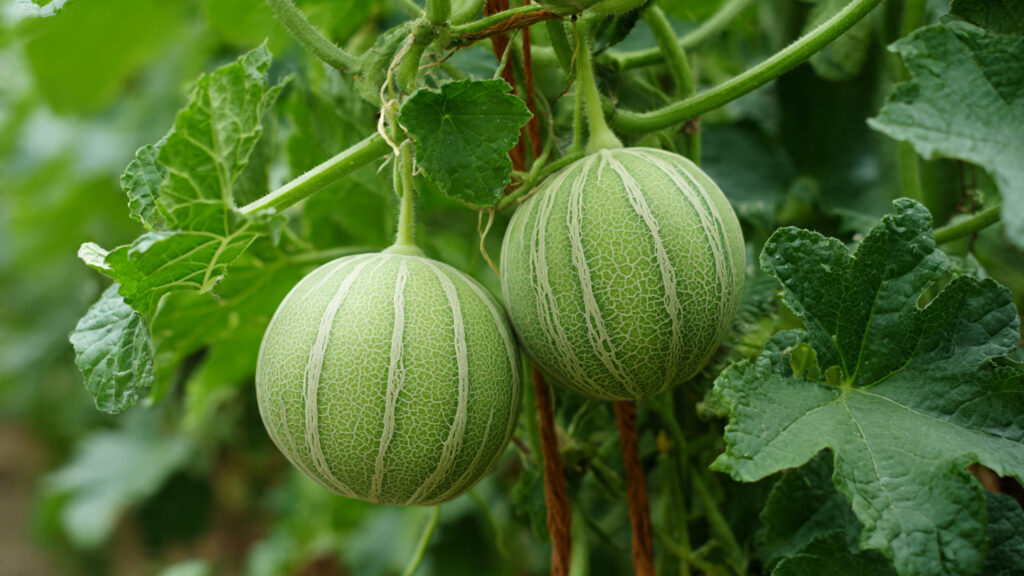
There’s something truly magical about biting into a fresh, sun-ripened melon that you grew yourself. The sweetness, the aroma, the juicy crunch—it feels like summer in every bite. And the best part? You don’t need a huge farm or fancy equipment to grow melons.
Yes, you can grow juicy, delicious melons right beside your house using simple gardening methods. Whether you have a small backyard, a sunny corner near a wall, or even a little open space near your kitchen, melon vines can thrive beautifully with just a bit of care.
Let’s explore how you can turn that empty patch beside your home into a sweet melon paradise.
Why Grow Melons at Home?
Melons like watermelon, muskmelon, and cantaloupe are not only tasty but also incredibly rewarding to grow.
Here’s why homegrown melons are worth it:
- Freshness you can’t buy in stores
- No harmful chemicals
- Sweet flavor from vine-ripening
- A fun gardening experience for beginners
- High yield from just a few plants
Melon vines are fast growers and love warm weather, making them perfect for home gardens in sunny climates.
Choosing the Best Melon Variety for Home Gardening
Before planting, choose a melon type that suits your space and climate.
Great options for beginners include:
- Sugar Baby Watermelon (small, sweet, compact)
- Honeydew Melon (smooth and juicy)
- Cantaloupe (easy and aromatic)
- Muskmelon (grows well in Indian summers)
If you have limited space beside your house, choose smaller varieties or bush-type melons.
The Perfect Spot Beside Your House
Melons love sunlight more than almost any other garden crop.
Melons need:
- 6–8 hours of direct sun daily
- Warm soil
- Plenty of space for vines to spread or climb
A sunny area beside a wall or fence is ideal because:
- The wall reflects heat
- Vines can climb vertically
- The soil stays warmer
Just make sure the spot isn’t too shaded by buildings or trees.
Preparing the Soil for Sweet, Juicy Melons
The secret to flavorful melons begins underground.
Ideal soil conditions:
- Loose and well-draining
- Rich in organic matter
- Slightly sandy
- pH between 6.0–6.8
Simple soil preparation method:
- Loosen the soil about 12 inches deep
- Mix in:
- Compost
- Well-rotted cow manure
- A handful of wood ash (optional)
- Create small raised mounds or hills for planting
Raised hills help with drainage and warm up faster, which melons love.
How to Plant Melons at Home
Melons can be grown from seeds easily.
Step-by-step planting:
- Sow seeds directly into the soil when temperatures are warm
- Plant 2–3 seeds per mound
- Cover lightly with soil
- Water gently
Spacing matters:
- Keep plants 2–3 feet apart
- Leave space for vines to spread
Once seedlings grow, keep the strongest one and remove weaker sprouts.
➡️ How to Grow Malabar Spinach from Cuttings for Fast, Easy Greens
➡️ How to Grow Super Delicious Cabbage at Home Without a Garden
➡️ How to Grow Bean Sprouts at Home in Plastic Bottles Easily (Step‑by‑Step Guide)
➡️ Why is Your Lemon Tree Blooming in the Heart of Winter?
➡️ Why Should Your Garden Have a Dedicated Pollinator Highway?
➡️ Why Do Your Fruit Trees Need a Winter Wash to Thrive in Spring?
➡️ How Can Rice Water Transform Your Fruits into Sweeter Delights?
➡️ Jumpstart Your Winter Garden: Seed Starting Under Lights
Watering the Right Way (Not Too Much!)
Melons need consistent watering, especially during early growth.
Watering tips:
- Water deeply 2–3 times per week
- Keep soil moist but not soggy
- Avoid wetting the leaves to prevent fungal disease
Important rule:
When fruits begin to ripen, reduce watering slightly.
Less water = sweeter melons.
Too much water near harvest can make melons bland and watery.
Mulching for Bigger and Sweeter Fruits
Mulch is a melon grower’s best friend.
Benefits of mulching:
- Keeps soil warm
- Prevents weeds
- Holds moisture
- Protects fruits from rotting on wet soil
Use:
- Straw
- Dry leaves
- Coconut husk
- Plastic mulch (if needed)
Place mulch around vines once plants are established.
Supporting Melon Vines Beside Walls and Fences
If space is limited beside your house, grow melons vertically!
Vertical growing method:
- Install a trellis or strong net
- Guide vines upward as they grow
- Support fruits with cloth slings or mesh bags
Smaller melons grow especially well this way, and it keeps fruits cleaner and healthier.
Feeding Your Melon Plants Naturally
Melons are heavy feeders, meaning they love nutrients.
Simple homemade fertilizer schedule:
- Early growth: Compost tea or cow dung liquid
- Flowering stage: Add banana peel water (potassium boost)
- Fruit development: A sprinkle of wood ash or organic potash
Avoid too much nitrogen, or you’ll get lots of leaves but fewer fruits.
Pollination: The Key to Getting Fruits
Melon plants produce male and female flowers.
Bees usually handle pollination, but if bees are scarce, you can do it yourself.
Hand-pollination method:
- Find a male flower (thin stem)
- Gently rub it onto the female flower (tiny fruit behind it)
Do this in the morning for best results.
Pollination success = more melons!
Common Problems and Easy Fixes
Even simple gardening can come with challenges, but most are easy to manage.
Yellow leaves
- Overwatering or poor drainage
Fix: Water less, improve soil airflow
No fruits
- Poor pollination
Fix: Hand-pollinate or attract bees with flowers nearby
Powdery mildew
- White powder on leaves
Fix: Spray neem oil or baking soda solution
Fruit cracking
- Irregular watering
Fix: Keep moisture consistent
When and How to Harvest Melons
The hardest part is waiting!
Signs your melon is ready:
- Sweet fragrance near the fruit
- Skin color changes
- Fruit sounds hollow when tapped
- Stem begins to dry
- For cantaloupe: fruit slips easily off the vine
Harvest in the morning for best flavor and freshness.
Enjoying Your Sweet Homegrown Melons
Once harvested, chill them for a few hours and enjoy the taste of your own backyard success.
Melons can be used in:
- Fresh fruit bowls
- Summer smoothies
- Juices
- Desserts
- Refreshing salads
Nothing compares to the sweetness of a melon grown with your own hands.
Final Thoughts: Your House-Side Melon Garden Can Be a Sweet Success
Growing melons beside your house is easier than most people think. With sunlight, good soil, proper watering, and a little patience, you can enjoy juicy, sweet melons right from your own garden.
So don’t let that empty space beside your home go unused. Plant a few melon seeds this season, and soon you’ll be harvesting summer’s sweetest gift—fresh, homegrown melons.
Your sweet harvest is just one vine away 🍈🌱