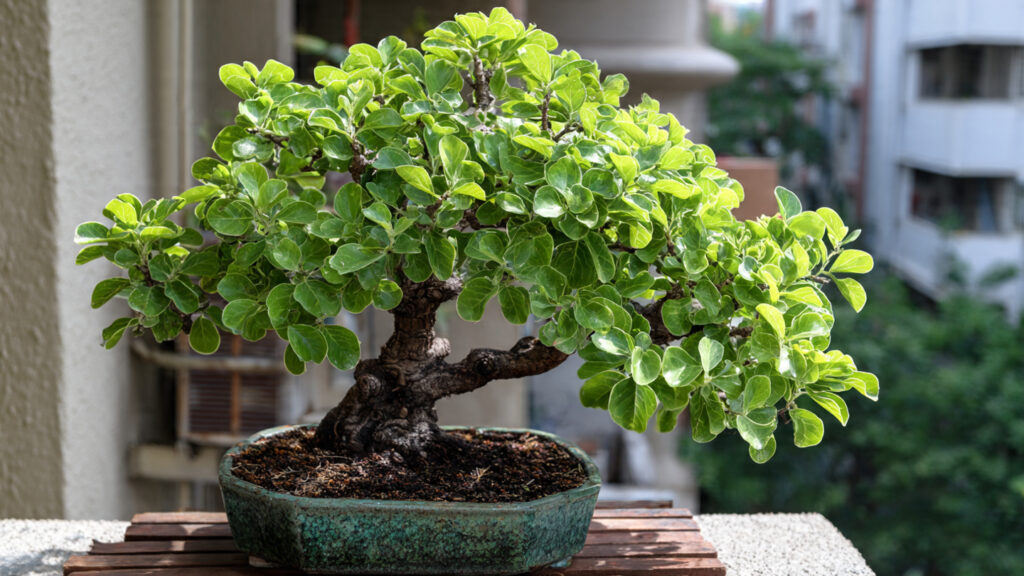
Growing guava at home is a dream for many gardeners, but space constraints often make cultivating full-sized guava trees challenging. Fortunately, horticulturists recommend training guava plants into compact dwarf trees, allowing you to enjoy bountiful harvests even in small gardens, patios, or balcony pots. With the right pruning techniques, care, and attention, your guava plant can thrive while remaining manageable in size.
Why Grow a Dwarf Guava Tree?
Guava is a tropical fruit known for its sweet aroma, tangy flavor, and high vitamin C content. Growing a dwarf variety has several advantages:
- Space Efficiency: Ideal for apartments, small gardens, or rooftop pots.
- Ease of Harvest: Fruits are easier to pick from a compact tree.
- Higher Productivity per Square Foot: Carefully pruned dwarf trees can yield abundant fruits.
- Control and Maintenance: Smaller size makes pest control, fertilization, and watering simpler.
By training your guava plant from a young age, you can shape it into a beautiful and productive small tree without compromising fruit yield.
Choosing the Right Guava Plant
Start with a healthy young guava sapling or dwarf variety. Horticulturists recommend dwarf guava cultivars such as Red Malaysian, Lucknow 49, or Sardar, which naturally stay compact.
Planting Considerations:
- Container Size: Use a pot at least 15–20 inches in diameter for dwarfs; ensure proper drainage.
- Soil: Guava prefers well-draining loamy soil enriched with compost. A slightly acidic to neutral pH (5.5–7) is ideal.
- Location: Place the plant in a sunny spot that receives at least 6–8 hours of sunlight daily.
Starting with a strong, healthy plant ensures better growth, stronger roots, and more fruitful harvests.
Training Your Guava Plant
The key to creating a compact dwarf tree is training and pruning from the very beginning. Horticulturists emphasize that early shaping determines the tree’s structure and fruit production.
Step 1: Establish the Main Stem
- Select a strong central stem as the main trunk.
- Remove any weak or competing shoots to focus growth on the primary stem.
- Support the young tree with a stake if needed to encourage upright growth.
Step 2: Encourage Lateral Branching
- After the plant reaches 12–18 inches in height, prune the tip of the main stem to encourage lateral branches.
- These side branches form the framework of your dwarf tree.
- Aim for 3–4 well-spaced primary branches radiating from the main trunk.
Step 3: Maintain a Compact Shape
- Regularly trim new shoots to keep the tree bushy but compact.
- Avoid letting branches grow too long; shorter branches produce more flowers and fruit.
- Maintain an open center to allow sunlight penetration and good air circulation, reducing fungal risks.
Pruning Techniques for Maximum Harvest
Pruning is essential for keeping your guava tree small while maximizing fruit production. Horticulturists recommend three main pruning strategies:
- Tip Pruning: Remove the tip of branches to encourage more lateral growth.
- Thinning: Remove older, overcrowded, or weak branches to improve airflow and sunlight penetration.
- Maintenance Pruning: After each harvest, remove dead, diseased, or damaged branches to keep the tree healthy.
Regular pruning not only shapes the tree but also stimulates flowering, resulting in higher fruit yields.
Fertilization and Soil Care
Healthy soil is crucial for a productive guava tree. Horticulturists recommend a balanced fertilization routine to promote growth and fruiting.
Fertilizer Tips:
- Use a NPK fertilizer (10:10:10) during the growing season.
- Supplement with organic compost or well-rotted manure every 2–3 months.
- Apply micronutrients such as zinc and iron if deficiency symptoms appear.
Additionally, ensure the potting soil remains well-draining. Guava roots are prone to rot if left in waterlogged soil, especially in containers.
Watering and Care
Guava plants prefer moderate watering. Overwatering can harm roots, while underwatering may stress the tree and reduce fruit production.
Watering Tips:
- Water young plants regularly to establish roots.
- Mature dwarf trees need watering 2–3 times per week in hot weather.
- Reduce watering slightly during the dormant period.
Other care tips include:
- Sunlight: Ensure 6–8 hours of direct sunlight daily.
- Pest Management: Monitor for aphids, mealybugs, and fruit flies. Use organic sprays like neem oil if needed.
- Air Circulation: Proper spacing and pruning prevent fungal infections and support healthy growth.
Flowering and Fruit Development
Guava plants start flowering 6–12 months after planting, depending on variety and care. Each flower can produce a single fruit, so proper training, pruning, and fertilization are essential for a high yield.
Encouraging Flowering:
- Maintain short, sturdy branches to maximize flower clusters.
- Provide consistent water and nutrients during flowering.
- Avoid heavy pruning during peak flowering to prevent stress.
Once flowers are pollinated, small green fruits form and gradually grow into sweet, juicy guavas over 2–4 months.
Harvesting Your Dwarf Guava Tree
Dwarf guava trees can yield fruit for several years when well-maintained. Fruits are typically ready for harvest when:
➡️ How to Grow Malabar Spinach from Cuttings for Fast, Easy Greens
➡️ How to Grow Super Delicious Cabbage at Home Without a Garden
➡️ How to Grow Bean Sprouts at Home in Plastic Bottles Easily (Step‑by‑Step Guide)
➡️ Why is Your Lemon Tree Blooming in the Heart of Winter?
➡️ Why Should Your Garden Have a Dedicated Pollinator Highway?
➡️ Why Do Your Fruit Trees Need a Winter Wash to Thrive in Spring?
➡️ How Can Rice Water Transform Your Fruits into Sweeter Delights?
➡️ Jumpstart Your Winter Garden: Seed Starting Under Lights
- They turn the variety-specific color (yellow, pink, or red).
- They emit a fragrant aroma.
- They yield slightly to gentle pressure.
Harvesting Tips:
- Gently twist or snip fruits from the branches to avoid damaging the tree.
- Regular harvesting encourages more flowering and fruit production.
- Use harvested fruits fresh, or store in a cool, dry place for later use.
With proper training and care, your compact guava tree can produce abundant fruits without occupying much space.
Advantages of a Dwarf Guava Tree
Training a guava plant into a dwarf tree offers numerous benefits:
- Compact Size: Ideal for small spaces, patios, and balconies.
- Ease of Maintenance: Less space means easier watering, pruning, and pest control.
- High Productivity: Well-pruned dwarf trees produce multiple fruiting branches.
- Aesthetic Appeal: A small, bushy guava tree adds beauty to your indoor or outdoor garden.
- Year-Round Enjoyment: With proper care, dwarf guava trees can produce fruit multiple times a year.
Common Challenges and Solutions
Even with dwarf guava trees, gardeners may face some challenges:
- Overgrown Branches: Regular pruning prevents excessive growth.
- Pests: Aphids and fruit flies can affect flowers and fruits. Organic sprays or neem oil are effective remedies.
- Poor Flowering: Ensure sufficient sunlight, proper pruning, and balanced fertilization.
- Root Issues: Avoid overwatering and ensure pots have drainage holes.
By monitoring your plant and addressing issues promptly, you can maintain a healthy, productive tree.
Conclusion
Training a guava plant into a compact dwarf tree is a rewarding way to grow tropical fruits in limited spaces. By selecting the right variety, planting in well-draining soil, providing adequate sunlight, and employing horticulturist-approved pruning techniques, you can create a small yet highly productive guava tree. Regular care, fertilization, and harvesting will ensure your dwarf guava remains healthy and fruitful year after year.
Even in a small garden or balcony, you can enjoy fresh, aromatic guavas with minimal space requirements. With patience, proper training, and attention to detail, your dwarf guava tree will transform from a humble sapling into a lush, productive miniature fruit tree, proving that sometimes, small trees really can deliver big harvests.