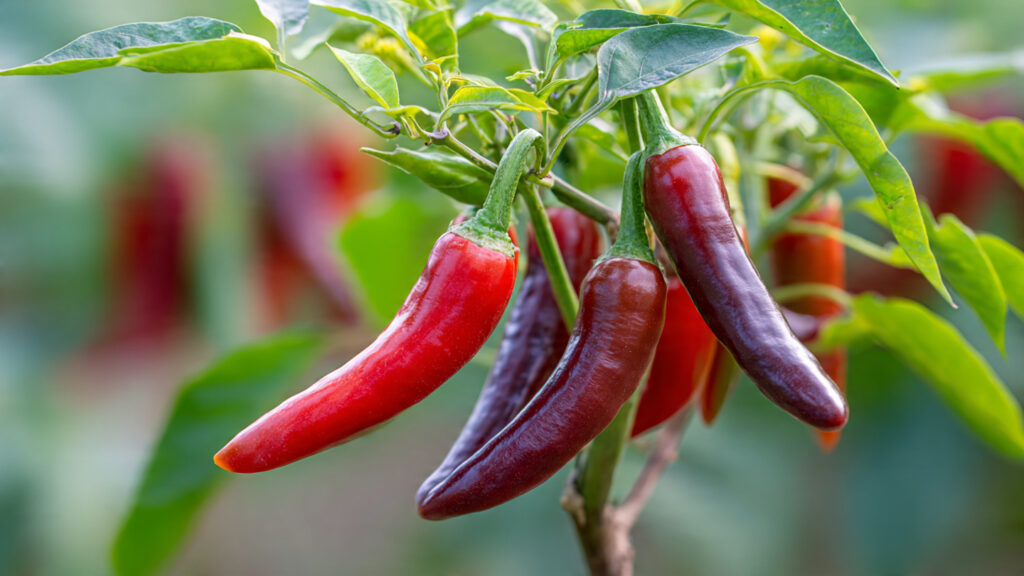
Growing peppers at home is more than just tossing a seed into soil and hoping for the best. Whether you’re a beginner gardener or someone looking to elevate your garden game, understanding the fundamentals before planting is crucial. Peppers are versatile, vibrant, and rewarding, but a little preparation goes a long way. Here are seven essential things you need to know before planting a single pepper seed.
1. Choose the Right Pepper Variety for Your Garden
Not all peppers are created equal. Before planting, it’s important to select a variety that matches your climate, space, and taste preferences. Peppers generally fall into three categories:
- Sweet Peppers (Bell Peppers): Mild and crunchy, perfect for salads, stir-fries, and roasting.
- Hot Peppers (Chilies, Habaneros, Jalapeños): These thrive in warm climates and are ideal for adding a spicy kick to dishes.
- Ornamental Peppers: These are mainly grown for their colorful appearance and can add beauty to a balcony or garden bed.
Consider your local climate: peppers need warmth to germinate and grow. In cooler regions, choose varieties with shorter growing seasons, while in tropical or subtropical areas, most pepper varieties thrive easily.
2. Understand Pepper Seed Germination
A pepper’s journey starts with germination, and this step can be tricky for beginners. Peppers are slow to germinate; it can take anywhere from 7 to 21 days, sometimes even longer. Here’s what you need to know:
- Temperature: Seeds germinate best in warm soil, ideally between 75–85°F (24–29°C). Cold soil can stall or prevent germination.
- Moisture: Keep the soil consistently moist but not soggy. Too much water can rot the seed, too little will prevent sprouting.
- Light: While some gardeners start seeds in darkness, once seedlings emerge, they need 12–16 hours of light daily for strong growth. A sunny windowsill or grow lights work well.
Patience is key. Avoid the temptation to dig around the soil to check if your seed is sprouting—it can damage the delicate seedling.
3. Prepare the Right Soil
Healthy peppers start with healthy soil. Peppers prefer well-draining, nutrient-rich soil with a pH between 6.0 and 6.8. Here’s how to prepare the perfect growing medium:
- Soil Mix: Use a combination of potting soil, compost, and a little perlite or vermiculite to ensure good drainage.
- Fertilization: Peppers are nutrient-hungry. Incorporate balanced organic fertilizers into the soil before planting. Avoid excessive nitrogen, which promotes leaves but reduces fruit.
- Soil Warmth: Seeds germinate faster in pre-warmed soil. You can use a seedling heat mat to maintain the ideal temperature.
Remember, soil is the foundation of your pepper’s health. Good soil reduces disease risk, encourages strong root development, and ensures vibrant fruit later.
4. Plan for Proper Spacing
Peppers may look small when young, but they grow into bushy, fruit-producing plants. Proper spacing is crucial to avoid competition for nutrients and light. Here’s the recommended approach:
- Seedlings in Trays: Start seeds in small containers or seed trays. This allows for controlled growth and easy transplantation.
- Transplanting: Once seedlings reach 6–8 inches tall, transplant them to the garden or larger pots.
- Spacing: Standard spacing is 18–24 inches apart for bell peppers, and 12–18 inches for smaller chili varieties. Crowding leads to poor air circulation, higher disease risk, and smaller yields.
Spacing also makes harvesting easier, giving you access to mature peppers without damaging other plants.
5. Provide Adequate Sunlight
Peppers love the sun! They need at least 6–8 hours of direct sunlight daily for optimal growth and fruiting. Here’s how to maximize sun exposure:
- Outdoor Planting: Choose a spot that receives morning sun and some afternoon shade if you live in a very hot region.
- Container Gardening: Place pots in sunniest areas of your balcony or patio. Rotate containers to ensure all sides get sunlight.
- Indoor Grow Lights: If sunlight is limited, supplement with LED grow lights. Position lights 2–4 inches above seedlings and adjust as they grow.
Sunlight isn’t just about growth—it directly affects flowering and fruit development, ensuring your peppers are full-flavored and vibrant.
6. Watering and Humidity Management
Peppers need consistent moisture, but overwatering is a common mistake. Both drought and waterlogging can harm your plant. Here’s the ideal watering strategy:
- Young Seedlings: Keep soil moist, not soggy. Use a spray bottle to water gently without disturbing roots.
- Established Plants: Water deeply once or twice a week, depending on rainfall. Soil should be damp 2–3 inches below the surface.
- Mulching: Apply organic mulch around plants to retain soil moisture, regulate temperature, and reduce weed growth.
- Humidity: Peppers prefer moderate humidity. In very dry climates, misting can help, but excessive humidity can promote fungal diseases.
Learning your garden’s watering needs is key. Over time, you’ll notice subtle signs that your peppers need more or less water.
7. Pest and Disease Prevention
Even a single pepper plant is susceptible to pests and diseases. Proactive management keeps your plant healthy and fruitful:
- Common Pests: Aphids, whiteflies, spider mites, and pepper weevils. Regular inspection and natural remedies like neem oil or insecticidal soap can control infestations.
- Fungal Diseases: Powdery mildew and root rot are common. Ensure proper spacing, good air circulation, and well-draining soil.
- Companion Planting: Plant basil, marigold, or onions nearby to repel pests naturally.
Starting healthy, strong seedlings makes pest management much easier. The fewer problems you have early on, the more energy your plant can devote to producing delicious peppers.
➡️ How to Grow Malabar Spinach from Cuttings for Fast, Easy Greens
➡️ How to Grow Super Delicious Cabbage at Home Without a Garden
➡️ How to Grow Bean Sprouts at Home in Plastic Bottles Easily (Step‑by‑Step Guide)
➡️ Why is Your Lemon Tree Blooming in the Heart of Winter?
➡️ Why Should Your Garden Have a Dedicated Pollinator Highway?
➡️ Why Do Your Fruit Trees Need a Winter Wash to Thrive in Spring?
➡️ How Can Rice Water Transform Your Fruits into Sweeter Delights?
➡️ Jumpstart Your Winter Garden: Seed Starting Under Lights
Bonus Tips for Pepper Success
While these seven points are foundational, a few extra tips can elevate your pepper-growing game:
- Fertilize Smartly: Use a phosphorus- and potassium-rich fertilizer once flowering begins. This encourages fruiting rather than leafy growth.
- Support Plants: Some pepper varieties grow tall and heavy with fruit. Stakes or cages prevent breakage.
- Harvest Properly: Pick peppers when they reach full size and color for the best flavor. Regular harvesting encourages more fruit.
Final Thoughts
Planting a single pepper seed may seem simple, but a little preparation goes a long way. By choosing the right variety, understanding germination, preparing soil, spacing plants correctly, ensuring sunlight, managing water, and preventing pests, you set yourself up for a thriving, productive pepper plant.
Whether you dream of spicy chilies, sweet bell peppers, or vibrant ornamental varieties, following these seven guidelines ensures your gardening adventure is rewarding from seed to harvest. Remember, gardening is part science, part patience, and part joy—so enjoy every stage of your pepper-growing journey!