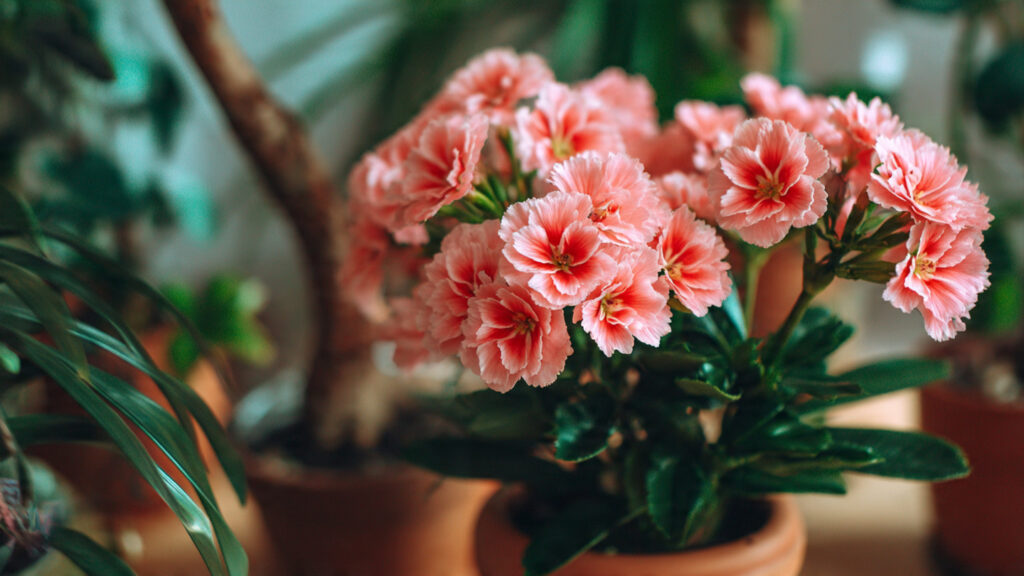
Flowering plants bring life, color, and energy to our homes, gardens, and offices. A vibrant bloom can lift moods, inspire creativity, and enhance the aesthetic of any space. However, many plant enthusiasts, especially beginners, often find themselves frustrated when their beautiful flowers fail to thrive. The truth is, achieving vibrant blooms is more than just watering and sunlight—it requires understanding the unique needs of each plant species and realistic expectations about their growth.
This article explores the essential aspects of flowering plant care, highlighting the common misconceptions and providing practical tips to ensure your plants flourish.
Understanding Flowering Plants
Flowering plants, also known as angiosperms, produce flowers as part of their reproductive cycle. These flowers can range from tiny, delicate petals to large, show-stopping blooms. While many indoor and outdoor flowering plants are relatively easy to maintain, others demand specific conditions to thrive. Knowing your plant’s requirements is the first step toward vibrant blooms.
Reality Check: Not all flowering plants bloom year-round. Seasonal flowers, like tulips and daffodils, have natural cycles. Expecting constant blooms from these plants leads to disappointment.
Light: More Than Just Sunlight
One of the biggest misconceptions in flowering plant care is assuming that all plants require the same amount of sunlight. In reality, different plants have different light needs:
- Full sun plants: Hibiscus, geraniums, and marigolds thrive in direct sunlight for at least 6 hours a day.
- Partial sun/shade plants: Begonias and impatiens prefer filtered light or morning sun with afternoon shade.
- Indoor flowering plants: Orchids, African violets, and peace lilies flourish under bright, indirect light.
Reality Check: Placing a shade-loving plant in direct sunlight can scorch its leaves, while a sun-loving plant in low light may not bloom at all. Assess your space and match plants accordingly.
Watering Wisely
Watering is another area where plant owners often struggle. Both overwatering and underwatering can harm flowering plants. Each species has unique water requirements, influenced by soil type, climate, and pot drainage.
Tips for proper watering:
- Check the soil: Insert your finger about an inch deep into the soil. If it feels dry, it’s time to water.
- Avoid waterlogging: Ensure pots have proper drainage to prevent root rot.
- Use room temperature water: Cold water can shock roots, while overly hot water may damage them.
Reality Check: There is no “one-size-fits-all” watering schedule. Observe your plants and adjust according to their needs.
Fertilization: Feeding for Flowers
Flowering plants require nutrients to produce lush foliage and vibrant blooms. Fertilizers provide essential elements like nitrogen (for growth), phosphorus (for flowering), and potassium (for overall health). However, too much fertilizer can harm plants.
Best practices for fertilization:
- Use balanced fertilizers with an NPK ratio suitable for flowering plants, such as 10-10-10 or 15-30-15.
- Fertilize during the growing season, usually spring through early fall.
- Avoid fertilizing dormant plants; they need rest, not extra nutrients.
Reality Check: Fertilizer is not a miracle solution. Healthy blooms depend on a combination of water, light, and care—fertilizer only enhances what the plant already receives.
Soil Matters
The right soil provides not just nutrients but also support and aeration for roots. Different flowering plants thrive in different soil types:
- Well-draining soil: Crucial for orchids, succulents, and roses to prevent root rot.
- Loamy soil: Ideal for most garden flowers like marigolds and petunias.
- Acidic soil: Azaleas and camellias prefer slightly acidic conditions.
Reality Check: Using standard garden soil in pots or for sensitive plants can stunt growth. Invest in plant-specific soil mixes to ensure your flowers get the best start.
Pruning and Deadheading
Pruning and deadheading are essential practices to encourage continuous flowering. Removing dead or yellowing leaves and spent blooms directs the plant’s energy toward producing new flowers.
➡️ How to Grow Malabar Spinach from Cuttings for Fast, Easy Greens
➡️ How to Grow Super Delicious Cabbage at Home Without a Garden
➡️ How to Grow Bean Sprouts at Home in Plastic Bottles Easily (Step‑by‑Step Guide)
➡️ Why is Your Lemon Tree Blooming in the Heart of Winter?
➡️ Why Should Your Garden Have a Dedicated Pollinator Highway?
➡️ Why Do Your Fruit Trees Need a Winter Wash to Thrive in Spring?
➡️ How Can Rice Water Transform Your Fruits into Sweeter Delights?
➡️ Jumpstart Your Winter Garden: Seed Starting Under Lights
- Deadheading: Pinch or cut off faded flowers to prevent seed production and encourage more blooms.
- Pruning: Trim overgrown branches to maintain shape and promote air circulation.
Reality Check: Flowers do not bloom endlessly. Regular pruning and deadheading increase flowering cycles but cannot force a plant to bloom beyond its natural limits.
Pest and Disease Management
Even with ideal care, flowering plants can fall victim to pests and diseases. Common culprits include aphids, spider mites, and fungal infections. Early detection and treatment are critical to maintaining plant health.
Preventive measures:
- Inspect plants regularly for signs of pests.
- Maintain proper spacing to ensure airflow.
- Avoid wetting leaves excessively to reduce fungal risks.
Reality Check: Flowering plants are not immune to pests. Prompt action can save your plants from serious damage, but some infestations may require replacing affected plants.
The Role of Patience
One of the biggest lessons in flowering plant care is patience. Flowers grow and bloom on their own schedule. Understanding and respecting these natural cycles is crucial for a successful plant-growing experience.
- Some plants, like orchids, may take months to flower.
- Bulbs often require a dormant period before blooming.
- Environmental changes, such as temperature and humidity, directly affect flowering cycles.
Reality Check: Instant results are rare. Gardening rewards those who observe, learn, and adapt to their plants’ rhythms.
Seasonal Adjustments
Flowering plant care isn’t static. Seasons bring changes in light, temperature, and humidity, which all impact growth. Adjusting care routines according to the season ensures consistent health and blooms.
- Spring/Summer: Longer daylight encourages growth and flowering; increase watering and fertilization.
- Fall/Winter: Shorter days and cooler temperatures may slow growth; reduce watering and fertilization.
Reality Check: Your care routine must adapt to seasonal changes. Expecting uniform growth year-round is unrealistic.
Creating a Bloom-Friendly Environment
Beyond basic care, environmental factors play a significant role in plant health:
- Humidity: Many tropical flowering plants thrive in high humidity; consider misting or using a humidifier.
- Temperature: Avoid placing plants near drafts, heaters, or air conditioners.
- Companion planting: Some plants, like marigolds, can protect others from pests naturally.
Reality Check: Even perfect soil and watering cannot fully compensate for a poor environment. Understanding your plant’s natural habitat increases the chances of vibrant blooms.
Conclusion
Caring for flowering plants is a rewarding but realistic endeavor. Achieving vibrant blooms requires more than optimism—it requires knowledge, observation, and consistency. Understanding the specific light, water, soil, and fertilization needs, practicing pruning and pest management, and respecting seasonal and environmental changes are all critical for success.
Remember, flowering plants thrive when their natural rhythms are respected. While there will always be challenges, informed care ensures that your garden or indoor plant collection bursts with color, life, and vitality. By embracing these reality checks, you can enjoy the full beauty of your flowering plants and the satisfaction of seeing them flourish.