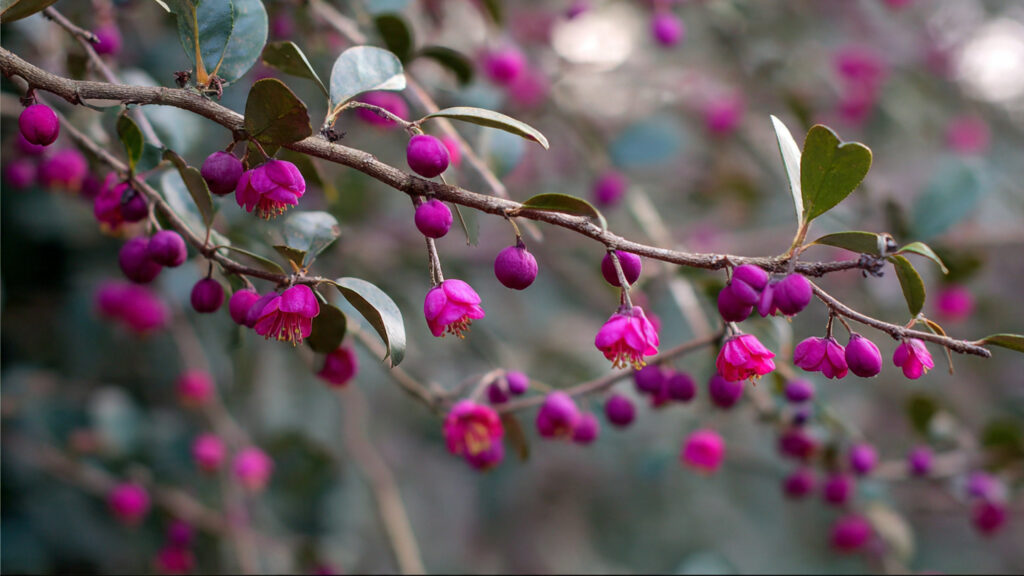
Winter may feel like a quiet, dormant period in the garden, but for many plants, January and February are the perfect months for pruning. Proper pruning during this crucial window sets the stage for vigorous growth, abundant blooms, and healthy plants throughout the year. While it might seem counterintuitive to cut back greenery when everything appears to be sleeping, strategic pruning encourages stronger branches, prevents disease, and helps shape the plant for a more attractive appearance.
In this guide, we’ll explore 10 essential garden plants that thrive when pruned in the early winter months, along with tips on technique, timing, and care to maximize results.
1. Roses (Rosa spp.)
Roses are arguably the most popular flowering shrubs in gardens worldwide, and pruning them in January or February is critical for producing large, healthy blooms later in the season.
Why prune now:
- Winter pruning removes weak, damaged, or dead canes.
- Encourages strong new growth for spring and summer blooms.
Pruning tips:
- Cut back old canes at a 45-degree angle, about ¼ inch above an outward-facing bud.
- Remove crossing branches and thin the center of the plant to improve airflow.
- Use clean, sharp secateurs to reduce the risk of disease.
Roses pruned correctly in winter will produce more fragrant, larger flowers during their peak bloom.
2. Fruit Trees (Apple, Pear, Cherry)
Fruit trees rely on winter pruning to stimulate productive growth and maintain tree structure. January to February is ideal because trees are still dormant.
Why prune now:
- Removes dead, diseased, or overcrowded branches.
- Encourages sunlight penetration and airflow, which helps fruit ripen evenly.
- Shapes the tree for easier harvesting.
Pruning tips:
- Focus on cutting out suckers (shoots from the base) and water sprouts (vertical shoots).
- Maintain a central leader for apple and pear trees, while cherries benefit from an open-center structure.
- Avoid heavy pruning of stone fruit trees too early, as it may encourage disease.
Proper pruning ensures a high yield of healthy, flavorful fruit.
3. Grapevines (Vitis vinifera)
For grape lovers, pruning during January or February is essential to produce quality fruit and prevent overcrowded growth.
Why prune now:
- Removes old, non-productive canes.
- Stimulates vigorous shoots that bear fruit in summer.
Pruning tips:
- Keep the healthiest 1-year-old canes for fruiting.
- Remove weak or damaged stems at the base.
- Aim to maintain an open structure for better sunlight and air circulation.
Winter pruning ensures better grape clusters and a healthier vine overall.
4. Lilacs (Syringa spp.)
Lilacs are cherished for their fragrant, spring blooms. Proper winter pruning is key to encouraging abundant flowers.
➡️ How to Grow Malabar Spinach from Cuttings for Fast, Easy Greens
➡️ How to Grow Super Delicious Cabbage at Home Without a Garden
➡️ How to Grow Bean Sprouts at Home in Plastic Bottles Easily (Step‑by‑Step Guide)
➡️ Why is Your Lemon Tree Blooming in the Heart of Winter?
➡️ Why Should Your Garden Have a Dedicated Pollinator Highway?
➡️ Why Do Your Fruit Trees Need a Winter Wash to Thrive in Spring?
➡️ How Can Rice Water Transform Your Fruits into Sweeter Delights?
➡️ Jumpstart Your Winter Garden: Seed Starting Under Lights
Why prune now:
- Removes old or dead stems that reduce flowering potential.
- Shapes the shrub and improves airflow.
Pruning tips:
- Cut old stems at ground level to encourage new shoots.
- Thin out the shrub’s interior to allow light and air into the center.
- Avoid cutting the newest growth, as flowers develop on previous season’s wood.
Pruning lilacs in January or February ensures a vibrant and fragrant display in spring.
5. Hydrangeas (Hydrangea macrophylla and paniculata)
Different hydrangea species have specific pruning needs, but late winter pruning is generally safe and beneficial.
Why prune now:
- Stimulates strong stems and larger blooms.
- Removes weak or crossing branches for better shape.
Pruning tips:
- For bigleaf hydrangeas (H. macrophylla), prune lightly to avoid cutting off next year’s buds.
- Panicle and smooth hydrangeas can be pruned more aggressively to ground level.
- Always remove dead or damaged wood first.
Well-pruned hydrangeas produce more abundant and robust flower clusters.
6. Fruiting Shrubs (Blueberries, Currants, Gooseberries)
Pruning fruiting shrubs in winter is crucial for high yield and easy harvesting.
Why prune now:
- Removes old or unproductive wood.
- Improves air circulation, reducing fungal disease risk.
- Encourages new, productive shoots.
Pruning tips:
- For blueberries, remove any weak or spindly branches.
- Currants and gooseberries benefit from thinning out older stems while keeping young, productive wood.
- Avoid heavy pruning if plants are young; focus on shaping and selective cuts.
Proper winter pruning results in larger, juicier fruits later in the season.
7. Clematis
Clematis is a popular climbing vine that flowers on new or old wood, depending on the variety. January and February are ideal for pruning most types.
Why prune now:
- Removes dead, weak, or tangled stems.
- Encourages vigorous flowering in spring and summer.
Pruning tips:
- Identify your clematis group (Group 1, 2, or 3) to follow the correct pruning method.
- For spring bloomers (Group 1), prune lightly after flowering.
- For summer bloomers (Groups 2 and 3), cut back stems to healthy buds 12–18 inches above the ground.
Winter pruning sets the stage for a spectacular display of climbing blooms.
8. Lavender (Lavandula spp.)
Lavender is cherished for its fragrance, foliage, and flowers, but it benefits greatly from pruning in late winter.
Why prune now:
- Encourages bushier growth and prevents woodiness.
- Maintains shape and promotes better flowering.
Pruning tips:
- Cut back old flowering stems to just above new growth.
- Avoid cutting into woody stems, as lavender doesn’t regenerate well from old wood.
- Shape the plant into a neat mound to maintain airflow and aesthetics.
Winter pruning keeps lavender healthy, aromatic, and full of blooms throughout the growing season.
9. Boxwood (Buxus spp.)
Boxwood is a popular evergreen shrub used for hedges, borders, or topiary. Proper pruning in January or February maintains shape and vigor.
Why prune now:
- Removes damaged or irregular growth after winter storms.
- Prepares the plant for spring growth.
Pruning tips:
- Trim lightly to shape, following natural contours.
- Avoid cutting into old, bare wood.
- Use clean, sharp shears to prevent disease.
Boxwood pruned correctly in winter maintains its lush, compact form year-round.
10. Fruiting Vines and Climbing Plants (Passion Fruit, Kiwi)
Vining fruit plants benefit greatly from late winter pruning to stimulate new growth and fruiting potential.
Why prune now:
- Removes old, unproductive stems.
- Encourages lateral shoots that bear fruit.
- Improves airflow and sunlight penetration.
Pruning tips:
- Cut back the previous season’s growth to 2–3 buds.
- Remove weak, tangled, or crossing branches.
- Provide support with trellises or wires to guide new shoots.
Winter pruning ensures vigorous growth and high-quality fruit in the coming season.
General Winter Pruning Tips
- Use clean, sharp tools to make smooth cuts and reduce disease risk.
- Remove dead, diseased, or damaged wood first to prevent pests and fungal infections.
- Don’t over-prune: Aim to remove no more than one-third of the plant at a time.
- Consider plant type: Flowering on old wood vs. new wood determines pruning timing.
- Dispose of cuttings properly to avoid spreading disease.
Pruning is both an art and a science, and attention to detail ensures healthy, thriving plants all year.
Conclusion
Pruning in January or February is a crucial step in garden maintenance that can dramatically improve the health, shape, and productivity of your plants. From roses and fruit trees to hydrangeas, clematis, and lavender, winter pruning encourages stronger growth, more abundant flowers, and higher fruit yields.
By taking advantage of this dormant period, gardeners can prepare their gardens for a spectacular spring and summer display. With careful attention, proper technique, and the right tools, your garden will thrive—rewarding you with beauty, fragrance, and productivity for months to come.
Winter may seem quiet, but with the right pruning practices, your garden is already preparing to burst into life when spring arrives.