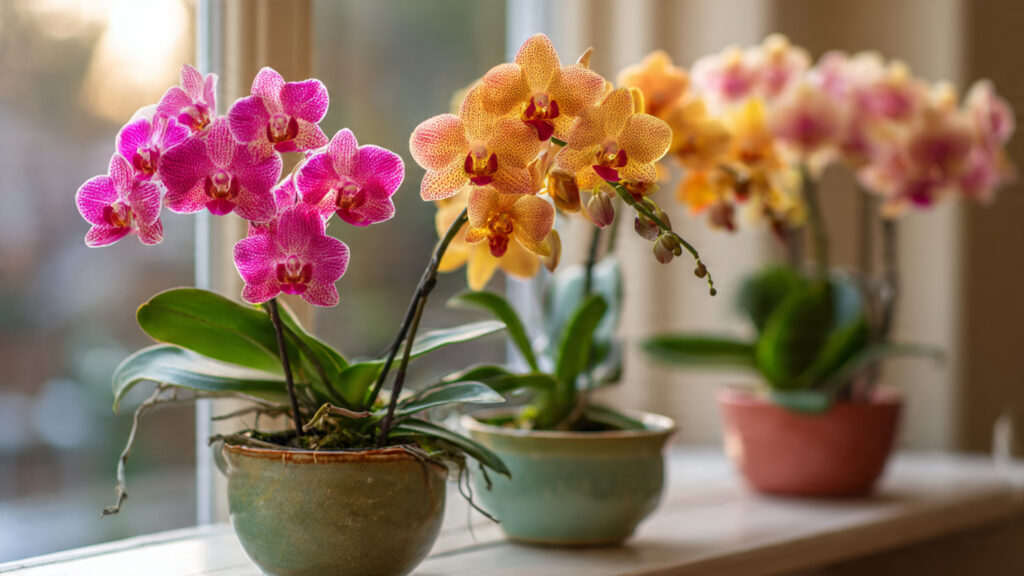
Orchids are among the most elegant and captivating flowers in the world. Their delicate blooms, vibrant colors, and exotic appearance make them a favorite for indoor and outdoor gardeners alike. However, maintaining orchids so they bloom consistently can be a challenge. One of the most important factors in achieving healthy growth and beautiful blooms is fertilization. Using the right fertilizer, in the right way, can transform your orchid care routine and ensure these stunning flowers thrive year after year.
This guide will explain everything you need to know about fertilizing orchids correctly, from understanding their nutrient needs to application techniques that promote lush foliage and abundant flowering.
Why Fertilizing Orchids Is Essential
Orchids are epiphytic or terrestrial plants that often grow in environments with limited natural nutrients, such as tree branches or mossy soil. In cultivation, orchids rely on the grower to provide essential nutrients for:
- Root development – Strong roots support overall plant health and water absorption.
- Leaf growth – Healthy leaves are critical for photosynthesis, which fuels flower production.
- Flowering – Nutrient balance influences bloom size, color, and longevity.
Without proper fertilization, orchids may appear healthy for a while, but flowers may be fewer, smaller, or fail to appear altogether. Fertilizing the right way ensures continuous, vibrant blooming.
Understanding Orchid Nutrient Needs
Orchids require macro and micronutrients to thrive. Key nutrients include:
- Nitrogen (N) – Promotes healthy leaves and stems.
- Phosphorus (P) – Essential for flower formation and root development.
- Potassium (K) – Strengthens overall plant structure, enhances flower quality, and boosts disease resistance.
- Calcium, Magnesium, and Iron – Critical for cell structure, chlorophyll production, and long-term plant health.
For orchids, the N-P-K ratio is often indicated on fertilizer packaging. Balanced ratios like 20-20-20 are suitable for general growth, while bloom-boosting formulas with higher phosphorus, such as 10-30-20, are ideal during flowering stages.
Types of Fertilizers for Orchids
Choosing the right fertilizer is crucial. Orchid fertilizers come in several forms:
- Water-soluble fertilizers
- Easy to apply through watering.
- Quickly absorbed by roots and leaves.
- Ideal for routine feeding.
- Slow-release fertilizers
- Gradually release nutrients over time.
- Reduce the need for frequent applications.
- Suitable for potted orchids in well-draining media.
- Organic fertilizers
- Includes fish emulsion, seaweed extract, or compost teas.
- Provide trace elements and improve soil or media health.
- Often gentler for sensitive orchid species.
For maximum bloom potential, many growers combine water-soluble fertilizers during active growth and slow-release fertilizers for consistent nourishment.
Fertilization Schedule for Orchids
Orchid fertilization depends on the growth stage:
1. During Active Growth
- Feed weekly with a balanced 20-20-20 fertilizer at half-strength.
- Focus on developing strong roots and leaves.
- Monitor plant response and adjust if leaves appear yellow or burnt.
2. Before Flowering
- Switch to a bloom-boosting formula with higher phosphorus (e.g., 10-30-20).
- Apply every 10–14 days at half-strength.
- Encourage flower spikes and larger, more vibrant blooms.
3. During Dormancy
- Reduce fertilization frequency to once a month.
- Focus on maintaining plant health rather than growth.
- Avoid overfeeding, as dormant orchids have reduced nutrient uptake.
Consistent fertilization aligned with growth stages ensures orchids remain healthy, resilient, and floriferous.
How to Apply Fertilizer Properly
Proper application prevents nutrient burn and ensures optimal absorption:
1. Root Feeding
- Mix water-soluble fertilizer at half the recommended strength.
- Water orchids thoroughly with the solution, ensuring it reaches all roots.
- Avoid letting fertilizer sit on dry roots, which may cause damage.
2. Foliar Feeding
- Dilute fertilizer more than for root application.
- Spray directly on leaves and spikes in the early morning or late afternoon.
- Foliar feeding is particularly effective for epiphytic orchids with exposed roots.
3. Combination Approach
- Use a weekly diluted fertilizer for watering.
- Apply foliar sprays every 2–3 weeks during active growth.
- This dual method supports balanced nutrition and enhances flowering.
Additional Tips for Successful Fertilization
- Always water before fertilizing – Prevents root burn and improves nutrient uptake.
- Avoid overfertilization – Excess nutrients can damage roots, leaves, or flowers.
- Flush media occasionally – Rinse with plain water monthly to remove salt buildup.
- Monitor plant health – Pale leaves, stunted growth, or leaf tip burn indicate adjustments are needed.
- Use fertilizers specific for orchids – Regular garden fertilizers may be too strong or imbalanced.
Following these guidelines ensures your orchids receive nutrients safely and effectively.
Signs Your Orchids Are Thriving
When fertilized properly, orchids display several positive signs:
- Deep green, glossy leaves – Indicates healthy nitrogen levels.
- Robust root growth – Roots appear thick, white or green, and spread well.
- Frequent flowering – Consistent bloom cycles and large, vibrant flowers.
- Strong, sturdy stems – Plants can support flowers without drooping.
Observing these indicators helps you fine-tune your fertilization and maintain continuous, beautiful blooms.
Choosing the Right Medium for Fertilization
Orchid media affects how nutrients are absorbed:
➡️ How to Grow Malabar Spinach from Cuttings for Fast, Easy Greens
➡️ How to Grow Super Delicious Cabbage at Home Without a Garden
➡️ How to Grow Bean Sprouts at Home in Plastic Bottles Easily (Step‑by‑Step Guide)
➡️ Why is Your Lemon Tree Blooming in the Heart of Winter?
➡️ Why Should Your Garden Have a Dedicated Pollinator Highway?
➡️ Why Do Your Fruit Trees Need a Winter Wash to Thrive in Spring?
➡️ How Can Rice Water Transform Your Fruits into Sweeter Delights?
➡️ Jumpstart Your Winter Garden: Seed Starting Under Lights
- Bark-based media – Good for epiphytic orchids; allows drainage but requires frequent fertilization.
- Sphagnum moss – Retains moisture; fertilize lightly to avoid oversaturation.
- Coconut husk or perlite mixes – Offer aeration and consistent nutrient delivery.
Understanding the media’s characteristics helps you adjust fertilizer concentration and frequency, ensuring maximum uptake without harming roots.
Common Fertilization Mistakes to Avoid
- Using full-strength fertilizer – Can cause root burn and leaf damage.
- Neglecting water before fertilizing – Leads to concentrated salts harming roots.
- Fertilizing dormant plants – Orchids in dormancy cannot utilize nutrients efficiently.
- Ignoring salt buildup – Accumulated salts can stunt growth and reduce flowering.
- Using garden fertilizers – Orchids need gentle, specialized formulations.
Avoiding these errors helps you maintain orchids that are lush, healthy, and continuously blooming.
Conclusion
Fertilizing orchids the right way is key to keeping them blooming beautifully. By understanding their nutrient needs, choosing the proper fertilizer, applying it correctly, and aligning feeding with growth stages, you can enjoy lush foliage, strong roots, and vibrant flowers all year round.
Remember:
- Use balanced fertilizers during growth and phosphorus-rich formulas before blooming.
- Water before fertilizing to prevent root damage.
- Apply nutrients thoughtfully, observing plant health to make adjustments.
With consistent care and proper fertilization, your orchids will reward you with magnificent blooms that enhance your home or garden with elegance, color, and natural beauty.