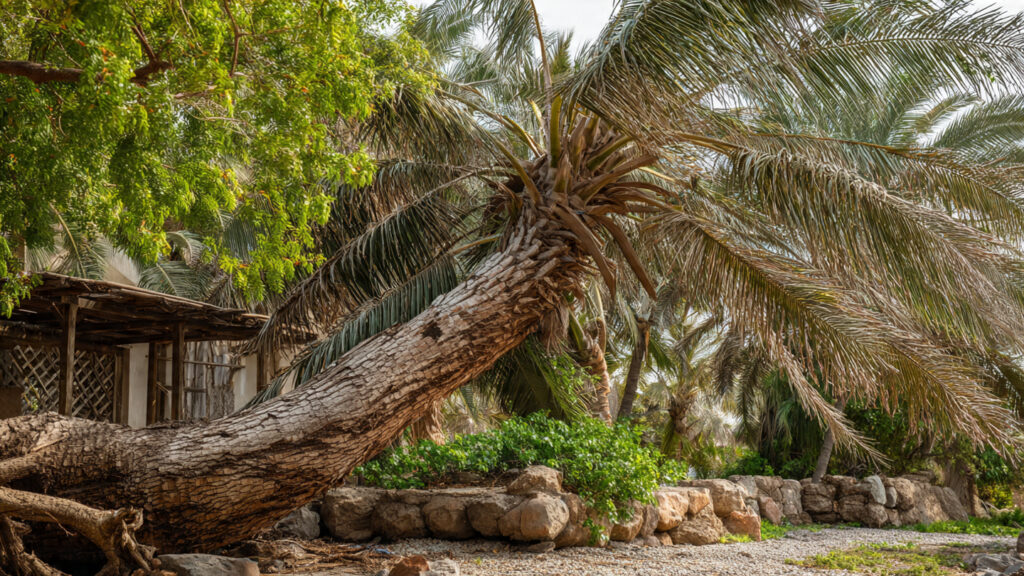
Palm trees are a symbol of tropical beauty, elegance, and relaxation. Their tall, slender trunks and feathery fronds add a majestic touch to gardens, landscapes, and beachfront properties. But sometimes, even these sturdy giants can develop a lean, which can be unsightly or even dangerous if not addressed properly. Fortunately, with the right approach, a leaning palm tree can be corrected and stabilized, ensuring it remains healthy and stands tall for years to come.
In this guide, we’ll explore why palm trees lean, how to fix the problem safely, and tips for long-term stability, helping you keep your landscape looking its best.
Why Palm Trees Lean
Before fixing a leaning palm, it’s important to understand the underlying causes. Common reasons include:
- Wind or storms – Strong gusts can push young or newly planted palms off-center.
- Shallow root system – Many palms develop a fibrous root system that doesn’t anchor deeply, making them prone to leaning.
- Uneven soil conditions – Erosion, sloped terrain, or compacted soil can destabilize the trunk.
- Overwatering or poor drainage – Saturated soil weakens root anchorage.
- Incorrect planting – Planting too deep or at an angle can cause gradual leaning as the tree grows.
Identifying the cause of the lean is crucial because the solution depends on addressing the root problem, not just straightening the trunk.
Safety First: Assess the Risk
Leaning palms can pose a hazard, especially if they are tall or near structures. Take the following precautions:
- Evaluate height and lean – Small palms may be easier to fix, while large, mature palms may require professional assistance.
- Check for root damage – Exposed or damaged roots increase the risk of falling.
- Avoid DIY fixes for large palms – For trees over 30 feet tall or near power lines, hire an arborist to prevent accidents.
Safety comes first—especially if your palm is significantly leaning or unstable.
How to Fix a Leaning Palm Tree
There are several methods to correct a leaning palm, depending on its size, age, and cause of the lean.
1. Young or Newly Planted Palms
Young palms (under 5 years) are easier to straighten:
- Stake the palm – Use wooden or metal stakes on one or more sides to guide the trunk upright.
- Use soft ties – Secure the trunk to stakes with soft rope or straps, avoiding tight wraps that can damage bark.
- Adjust gradually – Slowly tighten the ties over several weeks, allowing roots to establish while correcting the angle.
- Monitor soil moisture – Keep soil evenly moist but not waterlogged to encourage root growth.
Staking is effective for young palms with flexible trunks and developing root systems.
2. Larger or Mature Palms
Correcting mature palms requires more care:
- Soil mounding – Add soil around the base on the side opposite the lean to provide extra support.
- Guying with cables – Attach cables to the trunk and anchor points in the ground to stabilize the tree. Use tree-friendly straps to prevent bark damage.
- Root improvement – Ensure roots are healthy and free from disease; add compost or mulch to encourage root growth.
- Professional support – For very tall or heavy palms, an arborist may use cranes or specialized rigging equipment to straighten the trunk safely.
Patience is key: mature palms may take months or even years to fully straighten, but consistent support ensures long-term stability.
Repotting or Relocating (Optional for Small Palms)
For small palms in containers or recently planted in the ground:
- Remove from the pot carefully – Preserve as many roots as possible.
- Replant at the correct angle – Ensure the crown is level and roots spread evenly.
- Stake temporarily – Support the trunk while roots establish.
Relocating can reset the palm’s growth and prevent further leaning if soil conditions or planting errors caused the problem.
Maintaining Palm Tree Stability
After correcting the lean, ongoing care is essential:
- Water properly – Palms need deep, consistent watering, especially after staking or soil adjustments.
- Mulch around the base – Retains moisture, reduces weeds, and protects roots.
- Monitor for pests and disease – Healthy roots are critical for upright growth.
- Prune carefully – Remove only dead or damaged fronds; avoid heavy pruning that can stress the tree.
- Adjust ties as needed – Gradually loosen staking once the trunk is stable and roots are well-established.
By providing proper support and maintenance, your palm will stand tall and healthy for decades.
➡️ How to Grow Malabar Spinach from Cuttings for Fast, Easy Greens
➡️ How to Grow Super Delicious Cabbage at Home Without a Garden
➡️ How to Grow Bean Sprouts at Home in Plastic Bottles Easily (Step‑by‑Step Guide)
➡️ Why is Your Lemon Tree Blooming in the Heart of Winter?
➡️ Why Should Your Garden Have a Dedicated Pollinator Highway?
➡️ Why Do Your Fruit Trees Need a Winter Wash to Thrive in Spring?
➡️ How Can Rice Water Transform Your Fruits into Sweeter Delights?
➡️ Jumpstart Your Winter Garden: Seed Starting Under Lights
Common Mistakes to Avoid
- Tying too tightly – Can damage the trunk and inhibit growth.
- Ignoring root health – Straightening without addressing root issues may fail.
- Overcorrecting quickly – Forcing the trunk upright too fast can snap or stress the tree.
- Using improper materials – Wire or rough rope can cut into the bark.
- Neglecting soil and watering – Unstable soil undermines corrective efforts.
Avoiding these mistakes ensures your efforts result in long-term stability and healthy growth.
When to Call a Professional
Some situations require an expert:
- Extremely tall palms – Risk of injury or property damage is high.
- Severely leaning or damaged trunks – Structural failure may occur without proper equipment.
- Root rot or disease – Professionals can treat underlying issues while stabilizing the tree.
- Palms near structures or power lines – Safety hazards demand trained intervention.
Hiring an arborist can save time, prevent damage, and ensure your palm recovers safely and effectively.
Benefits of Correcting a Leaning Palm
Straightening a palm tree provides numerous advantages:
- Enhanced aesthetic appeal – A straight palm adds elegance to your landscape.
- Reduced risk of falling – Proper support protects people, property, and nearby plants.
- Improved root and canopy health – Upright growth promotes better nutrient and water absorption.
- Increased longevity – A stabilized palm thrives longer, producing more fronds and flowers.
Corrective measures are a worthwhile investment in beauty, safety, and plant health.
Additional Tips for a Healthy Palm
- Choose the right species for your location – Some palms tolerate wind or soil conditions better.
- Plant in well-draining soil – Prevents waterlogging and supports strong root anchorage.
- Regular fertilization – Feed palms with slow-release fertilizer to promote root and canopy development.
- Wind protection – Temporary windbreaks can prevent leaning in young palms.
- Monitor growth – Early detection of minor lean can prevent larger problems later.
These steps complement corrective efforts and support long-term vitality.
Conclusion
A leaning palm tree doesn’t have to be a permanent problem. Whether caused by wind, shallow roots, or soil issues, a leaning palm can often be straightened and stabilized with proper techniques and care. By understanding the reasons behind the lean, choosing the right corrective method, and providing consistent support and maintenance, your palm tree can stand tall, healthy, and elegant, enhancing your landscape for years to come.
From young, newly planted palms to mature specimens, the right approach ensures your tree remains a symbol of tropical beauty and resilience, turning a potential hazard into a thriving focal point in your garden. With patience, care, and a little effort, your palm will continue to grow strong, upright, and spectacular.