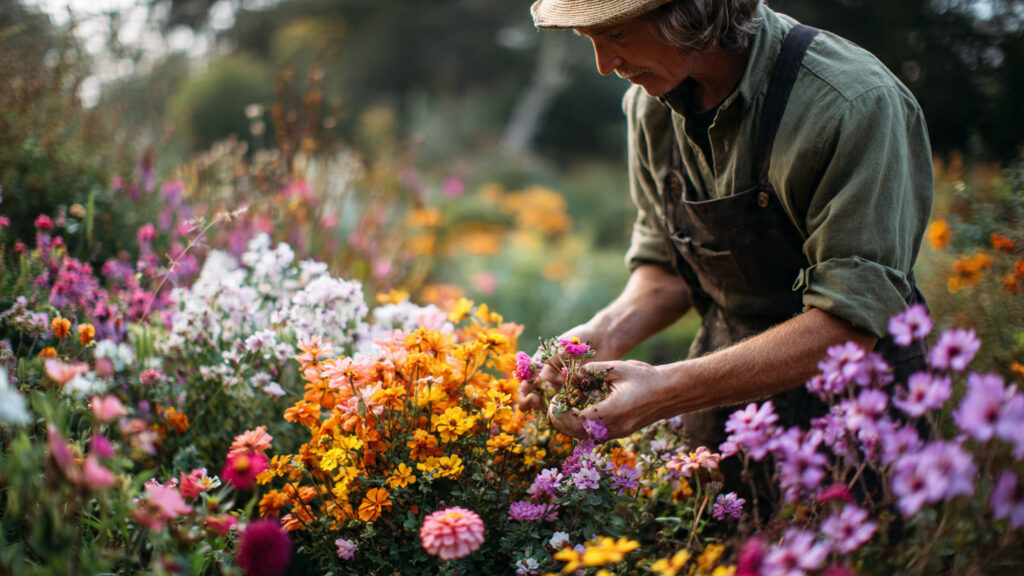
Deadheading—removing spent blooms from your plants—is one of the simplest yet most effective ways to keep your garden looking vibrant and encourage continuous flowering. But like many gardening tasks, deadheading has its limits. Knowing when to stop is just as important as knowing how to do it. Over-deadheading or continuing when it’s unnecessary can stress plants, waste time, and even prevent natural growth cycles.
In this guide, we’ll explore the signs that it’s time to stop deadheading, the benefits of knowing when to quit, and tips to maintain a healthy, beautiful garden without overdoing it.
What Is Deadheading?
Deadheading is the practice of removing spent or faded flowers from plants. It’s most commonly done on annuals, perennials, and some shrubs to encourage new blooms, improve appearance, and prevent unwanted seed formation.
The benefits of deadheading include:
- Prolonged flowering: Plants that don’t set seed often produce more flowers.
- Tidier appearance: Faded flowers can look unattractive if left on the plant.
- Improved plant health: Reducing old blooms allows the plant to focus energy on new growth.
Common deadheading tools include your fingers, garden scissors, or pruning shears, depending on the plant’s stem toughness.
When Deadheading Helps the Most
Deadheading is especially beneficial for:
- Annuals: Petunias, marigolds, and zinnias flower repeatedly if old blooms are removed.
- Perennials: Roses, coneflowers, and coreopsis benefit from occasional deadheading to extend their bloom period.
- Flowering shrubs: Hydrangeas and camellias may need some deadheading, but it’s usually limited.
However, deadheading is not always necessary. Many plants naturally self-clean or continue producing flowers without intervention.
Signs That It’s Time to Stop Deadheading
Knowing when to stop requires observation and understanding your plants’ growth patterns. Here are key signs:
1. Plant Is Entering Dormancy
Many perennials and bulbs have a natural growth cycle. In late summer or fall, plants often shift from flowering to preparing for dormancy. Deadheading during this phase can stress the plant because it needs energy to store in roots for the next season.
Tip: Allow the plant to form seed heads and die back naturally if it’s nearing the end of its growing season.
2. Flowers Are Producing Seeds
Once a plant begins forming seeds, deadheading is less effective and sometimes counterproductive. Plants need to complete their reproductive cycle to produce seeds for natural propagation. By stopping deadheading, you allow seed dispersal, which can lead to natural reseeding and new plants next season.
Example: Coneflowers (Echinacea) and black-eyed Susans (Rudbeckia) develop attractive seed heads that birds love. Leaving them promotes wildlife and self-seeding.
3. Plant Is Stressed
If a plant shows signs of stress, such as yellowing leaves, wilting, or slowed growth, deadheading can add unnecessary strain. Over-deadheading diverts energy from root and leaf development.
Tip: Focus on watering, fertilizing, and general care rather than more deadheading when a plant appears stressed.
4. The Bloom Cycle Is Naturally Ending
Annuals and perennials have peak flowering periods. After this peak, deadheading has diminishing returns because the plant is naturally slowing down flower production. Continuing to deadhead will not significantly increase blooms and may simply waste your time.
➡️ How to Grow Malabar Spinach from Cuttings for Fast, Easy Greens
➡️ How to Grow Super Delicious Cabbage at Home Without a Garden
➡️ How to Grow Bean Sprouts at Home in Plastic Bottles Easily (Step‑by‑Step Guide)
➡️ Why is Your Lemon Tree Blooming in the Heart of Winter?
➡️ Why Should Your Garden Have a Dedicated Pollinator Highway?
➡️ Why Do Your Fruit Trees Need a Winter Wash to Thrive in Spring?
➡️ How Can Rice Water Transform Your Fruits into Sweeter Delights?
➡️ Jumpstart Your Winter Garden: Seed Starting Under Lights
Observation: Watch your plant—if new buds are rare or nonexistent, it’s likely time to stop.
5. Seed Heads Have Ornamental Value
Some flowers develop decorative seed heads that add winter interest to your garden. For example:
- Sedum (stonecrop) produces textured seed heads.
- Echinacea develops dried, spiky seed centers.
- Rudbeckia seeds feed birds during winter.
Instead of deadheading, consider leaving these features in place for aesthetic appeal and wildlife benefits.
How to Adjust Deadheading Practices
Knowing when to stop also means adjusting how you deadhead throughout the season:
- Early season: Focus on removing spent blooms to encourage robust flowering.
- Mid-season: Continue deadheading selectively, but monitor the plant’s energy and bloom output.
- Late season: Reduce deadheading to allow seed formation and natural plant cycles.
By aligning deadheading with the plant’s natural rhythm, you optimize bloom production without overworking your plants.
Tools and Techniques for Efficient Deadheading
Even when stopping deadheading is approaching, using the right tools and techniques matters:
- Pruning shears: Ideal for thick-stemmed flowers like roses.
- Scissors: Best for soft-stemmed annuals and perennials.
- Fingers: Some plants, like petunias, can be pinched easily by hand.
Technique tip: Always cut above a leaf node or lateral bud to encourage new growth. Avoid tearing stems, which can invite disease.
Benefits of Knowing When to Stop
Stopping deadheading at the right time has multiple benefits:
- Saves time and effort: You avoid unnecessary repetitive tasks.
- Supports plant health: Plants can redirect energy to roots, seeds, and overall resilience.
- Encourages natural cycles: Seed dispersal and dormancy promote garden sustainability.
- Enhances garden aesthetics: Seed heads and natural dieback can add texture and interest.
By paying attention to your plants’ signals, you can maintain a beautiful garden with minimal effort and maximum ecological benefits.
Common Misconceptions About Deadheading
Some gardeners mistakenly believe:
- Deadheading is required for all flowers: Many plants self-clean or naturally stop producing blooms without human intervention.
- More deadheading equals more flowers: Excessive deadheading can stress the plant and diminish overall health.
- Seed heads are unattractive: In reality, many seed heads have winter garden appeal and support wildlife.
Understanding these points helps you make informed decisions about when and how to deadhead.
Tips for End-of-Season Gardening
As flowers begin to fade, consider these tips instead of continuous deadheading:
- Mulch and compost: Protect roots and enrich soil for next season.
- Collect seeds: Harvesting seeds from ornamental and vegetable plants ensures you’ll have future blooms.
- Cut back selectively: Instead of deadheading all flowers, trim only damaged or diseased parts.
- Prepare for dormancy: Focus on plant care rather than blooms, including watering and nutrient support.
By transitioning your focus, your garden remains healthy, attractive, and productive year after year.
Conclusion: Know the Signs, Stop When Needed
Deadheading is an important tool for gardeners, but it isn’t limitless. Knowing when to stop ensures your plants remain healthy, conserve energy, and complete their natural cycles.
Signs it’s time to stop include:
- Dormancy approaching
- Seed formation underway
- Plant stress or slow growth
- Bloom cycles naturally ending
- Seed heads adding winter interest
By observing your plants, adjusting your deadheading practices, and respecting natural cycles, you can enjoy a vibrant garden without overworking yourself—or your plants.
Remember, the goal of gardening isn’t just endless blooms; it’s sustainable growth, natural beauty, and a thriving garden ecosystem. Sometimes, the best way to care for your flowers is knowing when to let them be.