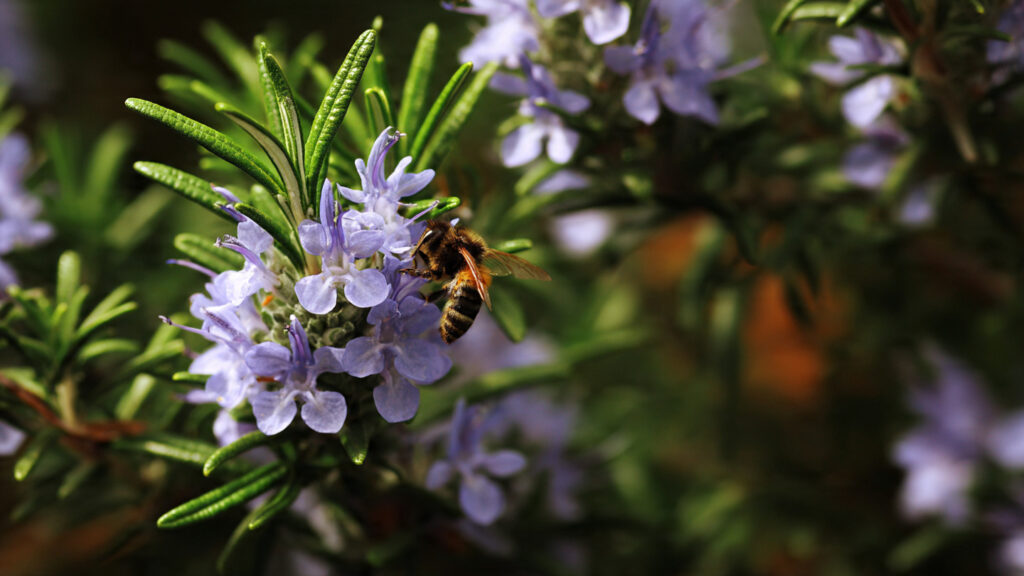
If you’ve ever grown rosemary in your garden, you know it’s more than just a fragrant culinary herb. Its needle-like leaves and delicate blue flowers attract bees, butterflies, and other pollinators, making it a magnet for life in your backyard. But did you know that strategically planting certain companion herbs near your rosemary can supercharge pollinator activity, improve your garden’s biodiversity, and even boost your herb yields?
Whether you’re a beginner gardener or an experienced green thumb, understanding how to design a pollinator-friendly herb garden can transform your outdoor space into a buzzing sanctuary. Here’s a step-by-step guide to the best herbs to plant alongside rosemary and why they make a difference.
Why Pollinators Love Rosemary
Rosemary (Salvia rosmarinus) produces aromatic leaves and small, tubular flowers that provide nectar and pollen for a variety of pollinators. Bees, in particular, are drawn to the plant for its high nectar content, which they use to make honey. Butterflies, hoverflies, and even hummingbirds are also frequent visitors.
By planting complementary herbs nearby, you create a continuous bloom cycle in your garden. This ensures pollinators are always visiting, which can increase the health of your rosemary plants and other flowering herbs.
Benefits of Companion Herbs for Pollinators
Planting pollinator-friendly herbs around rosemary offers multiple benefits:
- Extended Bloom Time: Different herbs flower at different times, providing nectar and pollen throughout the growing season.
- Diverse Pollinator Attraction: Some herbs attract specific pollinators, from bees to butterflies, increasing the variety of beneficial insects in your garden.
- Pest Control: Certain herbs like mint or basil can repel unwanted pests while attracting helpful ones.
- Improved Herb Growth: Increased pollinator activity can improve seed production and flower development.
Top Herbs to Plant Near Rosemary for Maximum Pollinator Attraction
Here’s a curated list of herbs that thrive near rosemary and create a pollinator paradise:
1. Thyme (Thymus vulgaris)
- Why it works: Thyme has small, fragrant flowers that attract bees and hoverflies.
- Planting tip: Use thyme as a low-growing ground cover around the base of rosemary. It tolerates the same sunny, well-drained conditions as rosemary.
- Additional benefit: Thyme’s dense foliage helps retain soil moisture and reduces weed growth.
2. Lavender (Lavandula spp.)
- Why it works: Lavender and rosemary share similar care requirements, including full sun and dry soil. Bees love lavender’s purple blooms, which provide both nectar and pollen.
- Planting tip: Space lavender about 12–18 inches from rosemary to avoid overcrowding and allow airflow.
- Additional benefit: Lavender’s scent can deter pests like moths and flies while enhancing your garden’s fragrance.
3. Basil (Ocimum basilicum)
- Why it works: Basil flowers are rich in nectar and attract bees, butterflies, and beneficial insects like ladybugs.
- Planting tip: Allow some basil to flower rather than constantly harvesting leaves, as flowers are essential for pollinators.
- Additional benefit: Basil can repel harmful insects such as mosquitoes and aphids, protecting rosemary and other herbs nearby.
4. Sage (Salvia officinalis)
- Why it works: Sage belongs to the same mint family as rosemary and produces tubular flowers loved by bees and hummingbirds.
- Planting tip: Place sage near rosemary in sunny, well-drained soil. Prune lightly after flowering to encourage continuous blooms.
- Additional benefit: Sage can be harvested for culinary use while also enhancing your garden’s biodiversity.
5. Oregano (Origanum vulgare)
- Why it works: Oregano flowers attract bees, hoverflies, and small butterflies. It grows close to the ground, providing a flowering layer under taller rosemary plants.
- Planting tip: Allow oregano to flower naturally, and trim lightly to maintain shape without cutting off blossoms.
- Additional benefit: Oregano is drought-tolerant, making it a perfect companion for rosemary in Mediterranean-style gardens.
6. Mint (Mentha spp.)
- Why it works: Mint’s small flowers attract bees, and the dense foliage provides habitat for other beneficial insects.
- Planting tip: Mint spreads aggressively, so plant in containers or restricted beds near rosemary to prevent it from taking over.
- Additional benefit: Mint repels pests such as ants and aphids, which can benefit neighboring rosemary plants.
Tips for Designing a Pollinator-Friendly Herb Garden
1. Layer Plants by Height
Place taller herbs like rosemary and lavender toward the back of the garden bed, and shorter ones like thyme, oregano, and mint in front. This arrangement creates visual interest and accessibility for pollinators.
2. Create Continuous Blooms
Select herbs that bloom at different times of the year. For example:
- Spring: Lavender, sage
- Summer: Basil, rosemary
- Fall: Oregano, thyme
A continuous bloom ensures pollinators have a reliable food source, keeping them returning to your garden.
3. Provide Shelter and Habitat
Pollinators also need shelter. Adding small rocks, logs, or bee hotels around your herb garden encourages nesting and increases their presence. Companion herbs like mint and oregano can provide cover for smaller insects.
4. Avoid Pesticides
Chemical pesticides can harm pollinators. Use organic solutions like neem oil or insecticidal soaps if pest control is necessary, and apply them in the early morning or late evening when pollinators are less active.
5. Use Mulch Wisely
A thin layer of organic mulch can help retain soil moisture without covering flowering herbs. Avoid thick plastic mulches, as they can prevent insects from reaching soil and flowers.
Harvesting While Supporting Pollinators
It’s possible to enjoy fresh herbs while maintaining a pollinator-friendly garden:
- Selective harvesting: Pick leaves as needed, leaving some flowering tips for pollinators.
- Staggered pruning: Trim herbs at different times to allow continuous blooms.
- Seed saving: Collect seeds from fully mature herbs to plant next season, ensuring a constant cycle of blooms.
Beyond the Garden: Wider Benefits
Planting herbs around rosemary isn’t just about pollinators — it has environmental and culinary advantages:
- Biodiversity: Increased pollinator presence benefits other flowering plants and nearby fruit trees.
- Soil health: Companion planting reduces soil erosion and improves nutrient cycling.
- Culinary variety: You’ll have multiple herbs at your fingertips for cooking, teas, and infusions.
- Mental wellness: Watching a thriving garden buzzing with life can reduce stress and improve mood.
Conclusion
A garden centered around rosemary can become a pollinator haven with the right companion herbs. By planting thyme, lavender, basil, sage, oregano, and mint nearby, you provide a diverse nectar source that keeps bees, butterflies, and beneficial insects returning all season long.
➡️ How to Grow Malabar Spinach from Cuttings for Fast, Easy Greens
➡️ How to Grow Super Delicious Cabbage at Home Without a Garden
➡️ How to Grow Bean Sprouts at Home in Plastic Bottles Easily (Step‑by‑Step Guide)
➡️ Why is Your Lemon Tree Blooming in the Heart of Winter?
➡️ Why Should Your Garden Have a Dedicated Pollinator Highway?
➡️ Why Do Your Fruit Trees Need a Winter Wash to Thrive in Spring?
➡️ How Can Rice Water Transform Your Fruits into Sweeter Delights?
➡️ Jumpstart Your Winter Garden: Seed Starting Under Lights
Remember these key principles:
- Choose herbs that share similar sun and soil requirements with rosemary.
- Allow some herbs to flower for maximum pollinator attraction.
- Space plants thoughtfully and layer by height.
- Avoid chemical pesticides and provide shelter for insects.
By thoughtfully designing your herb garden, you’ll not only support essential pollinators but also create a vibrant, sustainable, and productive garden. The result is a space that’s good for the environment, your kitchen, and your enjoyment — a true pollinator paradise built around the humble yet mighty rosemary.