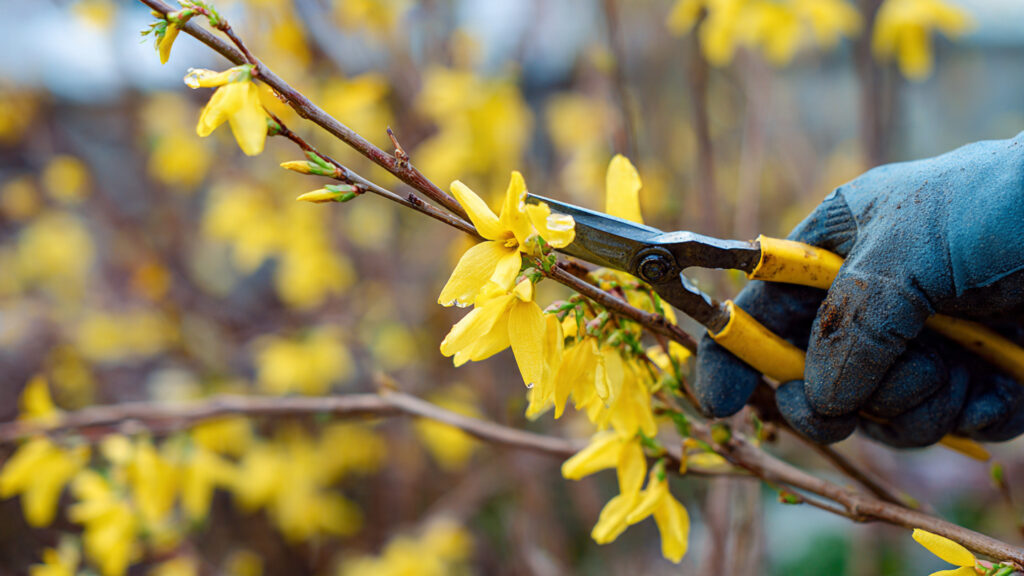
Forsythia is one of the most iconic early-spring flowering shrubs, known for its bright yellow blooms that herald the end of winter. While many gardeners admire its stunning flowers, few realize that winter pruning is the key to maintaining healthy growth and abundant blooms year after year. Pruning at the wrong time or using improper techniques can reduce flowering, damage branches, and create an uneven appearance. In this article, we’ll explore why winter is the best time to prune Forsythia, the benefits of winter pruning, and step-by-step instructions to do it correctly.
1. Understanding Forsythia’s Growth and Flowering Patterns
Forsythia blooms on old wood, meaning the flowers develop on branches that grew during the previous year. This growth habit is critical when deciding pruning timing.
- Flowering cycle: Forsythia produces flower buds in late summer and fall for blooms the following spring.
- Pruning sensitivity: Pruning too late in spring or during the blooming season removes flower buds, which results in fewer flowers.
- Branching habit: Forsythia grows vigorously, and without periodic pruning, older branches can become crowded, reducing airflow and light penetration.
By understanding these growth patterns, gardeners can plan pruning strategies that preserve flowers while promoting a healthy and vibrant shrub.
2. Why Winter Is the Optimal Pruning Time
Although Forsythia can be pruned after flowering, winter offers distinct advantages that make it the preferred time for most gardeners.
Benefits of Winter Pruning
- Dormancy ensures less stress:
Forsythia is dormant in winter, meaning pruning doesn’t shock the plant. Removing branches during dormancy allows the shrub to recover easily once growth resumes in spring. - Easier visibility and access:
Without leaves, the structure of Forsythia is fully visible. Gardeners can easily identify dead, diseased, or crowded branches and prune them with precision. - Encourages vigorous growth:
Winter pruning stimulates new growth in the coming spring, leading to stronger, healthier branches that will produce more flowers next season. - Controls size and shape:
Forsythia can grow large and sprawling. Pruning in winter helps maintain a compact and attractive shape without sacrificing blooms.
By taking advantage of the dormant season, winter pruning maximizes both plant health and aesthetic appeal.
3. Tools You’ll Need for Winter Pruning
Having the right tools makes the process efficient, safe, and effective. Here’s what you’ll need:
- Sharp pruning shears: For small branches and precise cuts.
- Loppers: For thicker branches that cannot be cut with shears.
- Pruning saw: For old or very thick branches.
- Gloves: To protect your hands from scratches and sap.
- Disinfectant: To clean tools between cuts, preventing disease transmission.
Using sharp and clean tools prevents tearing branches and reduces the risk of infections, ensuring clean cuts for faster healing.
4. Step-by-Step Guide to Pruning Forsythia in Winter
Winter pruning requires a systematic approach. Follow these steps for optimal results:
Step 1: Assess the Plant
- Examine your Forsythia from all angles.
- Identify dead, damaged, or diseased branches that need removal.
- Look for older stems that have become woody or overcrowded. Removing some older stems stimulates new flowering shoots.
Step 2: Remove Dead and Damaged Wood
- Cut dead or broken branches all the way back to their base.
- Remove branches that cross or rub against each other to improve airflow.
Step 3: Thin Out Older Branches
- Identify the oldest, thickest branches (usually darker and woody).
- Remove 1/3 of the oldest stems each year to rejuvenate the shrub without affecting blooms.
- Focus on creating an open center to allow sunlight and air to reach all parts of the plant.
Step 4: Shape the Shrub
- Step back and view the plant’s overall shape.
- Trim tips of remaining stems to maintain a rounded, natural form.
- Avoid excessive trimming at the ends, as this can reduce next spring’s flowers.
Step 5: Clean Up
- Collect and dispose of all pruned branches and debris.
- Cleaning prevents pests and fungal diseases from overwintering in the shrub.
Following this structured pruning approach ensures healthy growth, vibrant blooms, and long-term plant vigor.
5. Common Mistakes to Avoid When Pruning Forsythia
Even experienced gardeners can make mistakes. Avoid these pitfalls:
- Pruning too late in spring: This removes flower buds, reducing blooms.
- Over-pruning: Cutting too many branches weakens the plant and diminishes flowering potential.
- Neglecting tool hygiene: Dirty tools can spread disease, harming your Forsythia.
- Ignoring old wood: Leaving too many older stems decreases air circulation and flower production.
Awareness of these mistakes helps you prune smarter, not harder.
6. Aftercare: Supporting Your Forsythia Post-Pruning
Pruning alone isn’t enough — post-pruning care ensures your shrub thrives:
- Watering: Although Forsythia is hardy, ensure the roots receive adequate moisture during dormancy.
- Mulching: Apply a 2–3 inch layer of mulch around the base to retain soil moisture and protect roots from cold.
- Fertilizing: Avoid heavy fertilization in winter; light feeding in early spring with a balanced fertilizer supports flower bud development.
- Monitoring: Check for signs of disease or pests as the plant emerges from dormancy.
Proper aftercare maximizes the benefits of winter pruning.
7. Encouraging More Blooms Year After Year
Winter pruning is just one part of a broader strategy to maintain abundant Forsythia flowers:
- Rejuvenate older shrubs: Every 3–4 years, cut 1/3 of oldest branches to encourage new growth.
- Prune lightly after flowering (summer/fall): Remove weak or crossing branches without cutting buds for the next season.
- Ensure sunlight exposure: Forsythia blooms best in full sun, so trim nearby plants that may cast shade.
- Regular maintenance: Water adequately during growth periods and add compost annually to feed the shrub.
By combining winter pruning with ongoing care, Forsythia shrubs remain vigorous and visually stunning for decades.
➡️ How to Grow Malabar Spinach from Cuttings for Fast, Easy Greens
➡️ How to Grow Super Delicious Cabbage at Home Without a Garden
➡️ How to Grow Bean Sprouts at Home in Plastic Bottles Easily (Step‑by‑Step Guide)
➡️ Why is Your Lemon Tree Blooming in the Heart of Winter?
➡️ Why Should Your Garden Have a Dedicated Pollinator Highway?
➡️ Why Do Your Fruit Trees Need a Winter Wash to Thrive in Spring?
➡️ How Can Rice Water Transform Your Fruits into Sweeter Delights?
➡️ Jumpstart Your Winter Garden: Seed Starting Under Lights
8. Special Tips for Gardeners in Cold Climates
Forsythia is hardy but may require extra attention in areas with harsh winters:
- Protect root zones with a thicker layer of mulch to prevent frost damage.
- Avoid pruning immediately after severe cold spells, as branches may be brittle.
- For extremely old or woody shrubs, consider renewal pruning, cutting back older branches closer to the ground to encourage fresh shoots.
These adjustments ensure that your winter pruning efforts don’t stress the plant in cold conditions.
9. Tools and Techniques for Large or Overgrown Forsythia
Older, sprawling Forsythia shrubs require a slightly different approach:
- Use loppers or pruning saws for thick, woody stems.
- Work from the inside out, removing interior branches first.
- Step back frequently to evaluate the shrub’s shape and symmetry.
- Avoid heavy pruning in one season; instead, prune gradually over 2–3 years to prevent shock.
This method helps rejuvenate even large, neglected Forsythia shrubs without compromising flowering.
Conclusion
Winter is undeniably the best time to prune Forsythia. By taking advantage of the shrub’s dormancy, gardeners can remove old and damaged branches, shape the plant, and encourage vibrant, abundant blooms in the spring. Using proper tools, following a step-by-step pruning approach, and providing aftercare ensures your Forsythia remains healthy, aesthetically pleasing, and productive for many years.
Remember: pruning isn’t just about cutting back — it’s about strategically directing the plant’s energy toward growth and flowering. With this winter pruning guide, your Forsythia will reward you with a spectacular display of yellow blooms that brighten early spring and herald the start of a new gardening season.