Spring is a magical time in the garden. After months of dormancy, the first hints of color, fragrance, and life signal that warmer days are on the way. Among these early arrivals are spring ephemeral plants, which bloom briefly in early spring before fading as the canopy thickens and competition for sunlight increases. These plants have adapted to take advantage of the short window of light and warmth, often disappearing almost as quickly as they emerge, leaving gardeners with a fleeting but unforgettable display.
In this guide, we’ll explore the top 10 early-blooming spring ephemerals, including their growing conditions, bloom characteristics, and tips for integrating them into your garden. These plants not only bring early-season beauty but also support pollinators emerging after winter.
What Are Spring Ephemeral Plants?
Spring ephemerals are plants that complete much of their life cycle in early spring. Typically, they:
- Bloom in late winter or early spring.
- Die back to their underground structures (like bulbs or rhizomes) once the canopy closes.
- Take advantage of full sunlight before deciduous trees leaf out.
- Often attract early pollinators, such as bees emerging from hibernation.
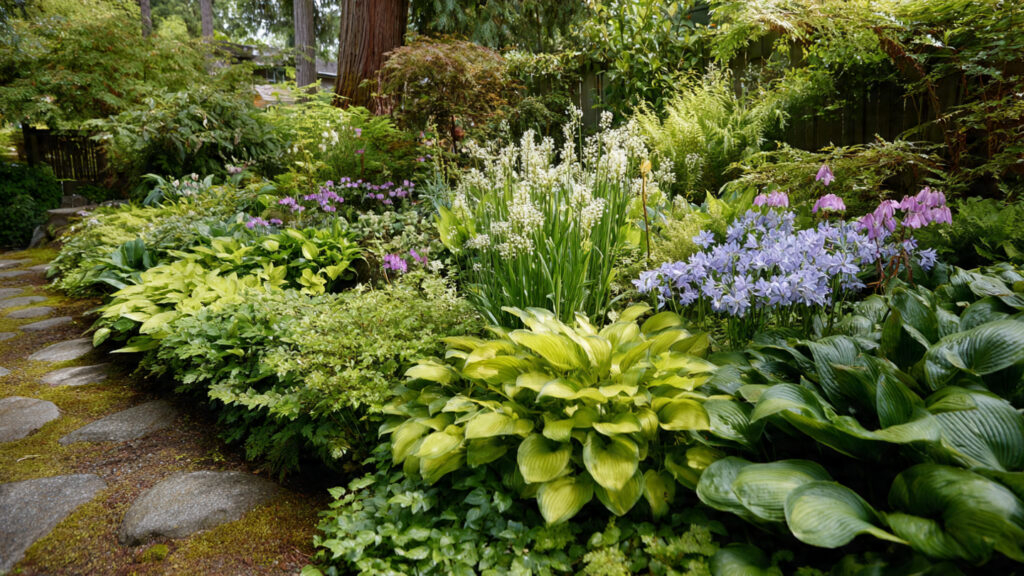
These plants are excellent choices for woodland gardens, shaded borders, or naturalized areas, where they provide early-season color without competing with summer perennials.
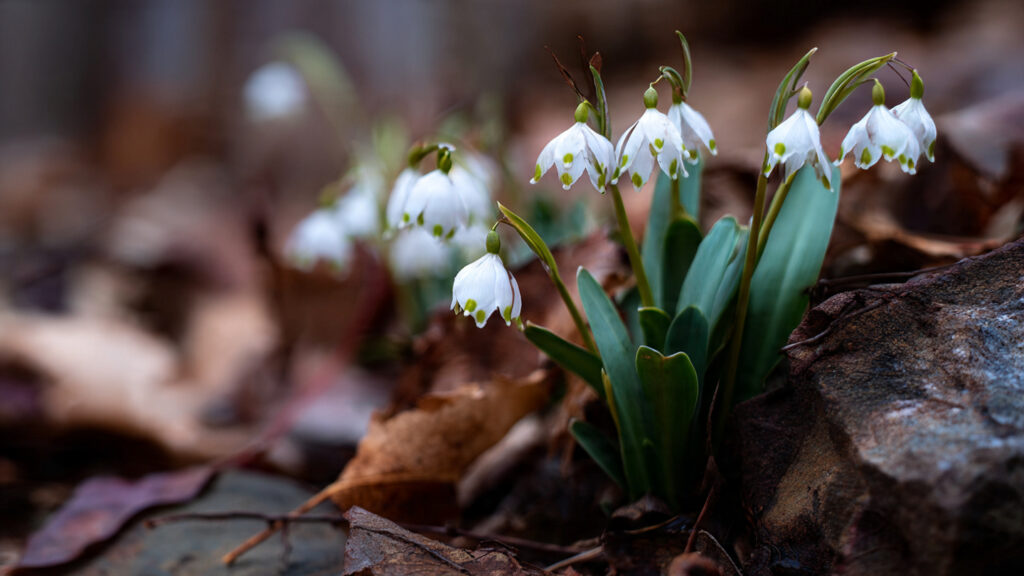
1. Snowdrops (Galanthus nivalis)
Snowdrops are among the first harbingers of spring, often blooming while snow still blankets the ground. These delicate, nodding white flowers are simple yet elegant.
Growing Tips:
- Plant bulbs in autumn, about 3 inches deep.
- Prefer partial shade and well-drained soil.
- Naturalize them under deciduous trees for a stunning carpet effect.
Snowdrops are hardy and reliable, bringing hope and a sense of renewal in late winter to early spring.
2. Crocus (Crocus spp.)
Crocuses burst forth in a range of colors, from purple and yellow to white, often peeking through early snow. They are compact, making them perfect for lawns, rock gardens, or containers.
Growing Tips:
- Plant bulbs in autumn, about 2–3 inches deep.
- Full sun or partial shade is ideal.
- Avoid planting in areas that are heavily trafficked, as delicate blooms can be damaged.
Crocuses are cheerful, low-maintenance flowers that provide vibrant color and attract early pollinators like bees.
3. Glory-of-the-Snow (Chionodoxa luciliae)
As the name suggests, glory-of-the-snow produces sky-blue, star-shaped flowers that appear while snow is still melting. These bulbs naturalize well and multiply over the years.
Growing Tips:
- Plant bulbs 3 inches deep in clusters for maximum impact.
- Thrive in full sun or partial shade.
- Ideal for woodland borders, rock gardens, and under trees.
Their vivid blue color contrasts beautifully with the earthy tones of late winter, creating a striking early display.
4. Siberian Squill (Scilla siberica)
Siberian squill produces nodding blue flowers that emerge en masse in early spring. They naturalize rapidly, creating swaths of color in shaded or partially sunny areas.
Growing Tips:
➡️ How to Grow Malabar Spinach from Cuttings for Fast, Easy Greens
➡️ How to Grow Super Delicious Cabbage at Home Without a Garden
➡️ How to Grow Bean Sprouts at Home in Plastic Bottles Easily (Step‑by‑Step Guide)
➡️ Why is Your Lemon Tree Blooming in the Heart of Winter?
➡️ Why Should Your Garden Have a Dedicated Pollinator Highway?
➡️ Why Do Your Fruit Trees Need a Winter Wash to Thrive in Spring?
➡️ How Can Rice Water Transform Your Fruits into Sweeter Delights?
➡️ Jumpstart Your Winter Garden: Seed Starting Under Lights
- Plant bulbs in well-drained soil during autumn.
- Tolerates full sun to partial shade.
- Can spread aggressively; consider naturalizing in a designated area.
This plant’s intense blue flowers are a welcome sight after a long, gray winter.
5. Crocus chrysanthus (Snow Crocus)
Distinct from the common crocus, snow crocuses bloom very early and often emerge through snow. They offer shades of yellow, cream, and violet, bringing variety to early spring gardens.
Growing Tips:
- Plant bulbs 2–3 inches deep.
- Full sun enhances bloom intensity.
- Great for rock gardens, borders, and under deciduous shrubs.
Snow crocuses are compact, hardy, and an excellent choice for naturalizing in clusters.
6. Early Daffodils (Narcissus spp.)
While some daffodils bloom in mid to late spring, early varieties like ‘February Gold’ or ‘Tête-à-Tête’ herald the start of the season. Their bright yellow trumpets lift spirits and attract pollinators.
Growing Tips:
- Plant bulbs 6 inches deep in autumn.
- Full sun to partial shade is best.
- Deadhead spent blooms to encourage next year’s growth.
Early daffodils are cheerful and durable, often blooming year after year with minimal care.
7. Hellebores (Helleborus spp.)
Known as Lenten roses, hellebores are perennials that bloom in late winter or early spring. They produce nodding flowers in shades of white, pink, green, and deep purple.
Growing Tips:
- Plant in partial to full shade.
- Prefers well-drained, humus-rich soil.
- Remove old leaves in late winter to showcase blooms.
Hellebores are long-lasting, low-maintenance, and perfect for shaded woodland gardens.
8. Virginia Bluebells (Mertensia virginica)
Virginia bluebells are native spring ephemerals that produce clusters of trumpet-shaped blue flowers. They are perfect for naturalized woodland gardens.
Growing Tips:
- Plant in rich, moist soil in partial shade.
- Allow foliage to die back naturally; do not cut it prematurely.
- Naturalizes over time, forming attractive colonies.
These plants provide an airy, delicate splash of blue that pairs well with early daffodils and snowdrops.
9. Trillium (Trillium spp.)
Trilliums are iconic woodland flowers with three-petaled blooms. They are slower to establish but highly rewarding in shaded areas. Early-blooming varieties appear in March or April.
Growing Tips:
- Plant rhizomes in humus-rich, moist soil.
- Partial to full shade is essential.
- Avoid disturbing established plants; they take time to naturalize.
Trilliums are a beautiful choice for woodland or shaded borders, offering subtle yet striking early blooms.
10. Spring Beauty (Claytonia virginica)
Spring beauty is a delicate native wildflower with tiny, star-like blossoms in pink or white, often with subtle stripes. These ephemeral plants are ideal for naturalized meadows or woodland gardens.
Growing Tips:
- Plant in moist, well-drained soil.
- Prefers partial shade.
- Naturalizes well when left undisturbed.
Spring beauty provides an early pollinator-friendly bloom, supporting bees and other insects emerging from hibernation.
Tips for Planting Spring Ephemerals
- Plant in Clusters: Group bulbs and perennials together to create a naturalized, impactful display.
- Consider Soil and Drainage: Most spring ephemerals prefer well-drained soil rich in organic matter.
- Leave Foliage Intact: Allow leaves to die back naturally after flowering; this stores energy for the next season.
- Naturalize in Woodlands: Many early bloomers thrive under deciduous trees where they get spring sunlight before the canopy closes.
- Support Pollinators: Early blooms are crucial for bees and other insects emerging from winter dormancy.
By following these tips, gardeners can create a dynamic early spring garden that bursts into color when most other plants are still dormant.
Benefits of Spring Ephemeral Gardens
- Early Color: Provides a welcome visual boost in late winter and early spring.
- Pollinator Support: Offers nectar and pollen for emerging bees, butterflies, and other insects.
- Low Maintenance: Many ephemerals are hardy, self-seeding, and require minimal care.
- Naturalized Beauty: These plants create woodland-like, organic landscapes without intensive management.
- Seasonal Interest: Fades gracefully as summer perennials take over, maintaining garden rhythm.
Spring ephemerals bring a fleeting yet unforgettable charm to any garden, reminding us that the beauty of nature often comes in delicate, transient bursts.
Final Thoughts
Welcoming early-blooming spring ephemerals into your garden is a wonderful way to celebrate the changing seasons. Plants like snowdrops, crocuses, hellebores, and Virginia bluebells not only provide vibrant color and delicate beauty but also play a vital role in supporting early-season pollinators.
By planting these 10 spring ephemerals, you can create a garden that awakens with life as soon as the snow melts, offering a sense of renewal and optimism. Whether you’re designing a woodland garden, shaded border, or naturalized lawn, these early bloomers are the perfect way to welcome spring, one fleeting, beautiful blossom at a time.