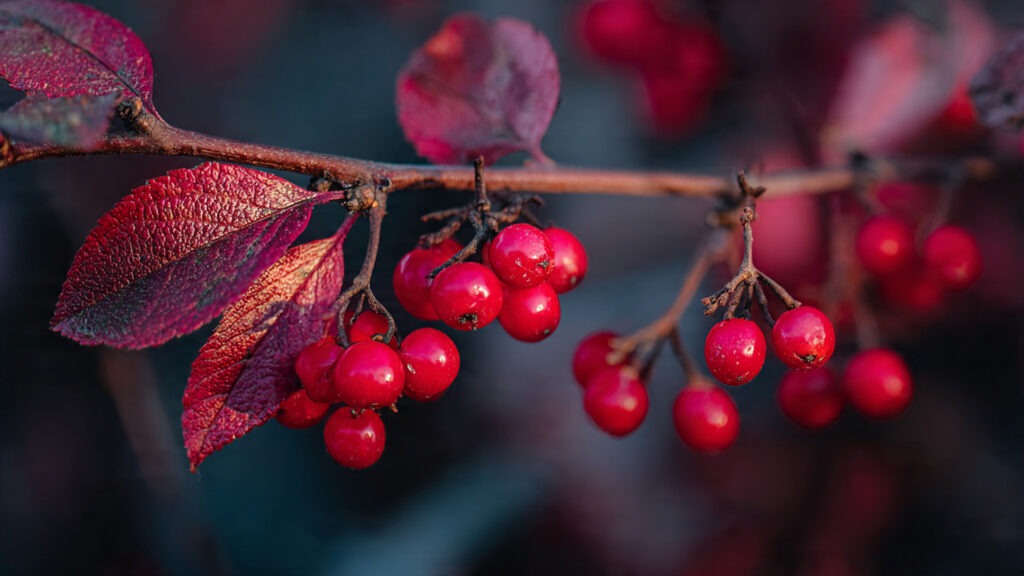
When winter arrives and most garden plants go dormant, vibrant greenery and colorful blooms seem to vanish—except for the striking red berries of the winterberry bush. A deciduous holly native to North America, winterberry (Ilex verticillata) is admired for its brilliant red fruit, which persists throughout winter, providing eye-catching beauty and a vital food source for birds. Growing a winterberry bush in your garden not only adds seasonal color but also enhances wildlife habitat and winter interest. Here’s your complete guide to cultivating and maintaining a winterberry bush for maximum beauty.
Understanding Winterberry Bush
The winterberry bush is a deciduous holly, meaning it sheds its leaves in fall, leaving behind branches adorned with bright red berries. These berries are especially attractive against the backdrop of snow or dormant garden beds, making them a stunning focal point in winter landscapes.
Key characteristics of winterberry include:
- Height: 3–10 feet, depending on variety and pruning.
- Spread: 3–8 feet, creating a full, bushy appearance.
- Fruit: Bright red berries appearing in late fall and lasting through winter.
- Wildlife benefits: Provides food for birds and small mammals.
Unlike evergreen hollies, winterberry is dioecious, meaning it has separate male and female plants. To produce berries, you must plant both male and female shrubs within close proximity for pollination.
Choosing the Right Site
Winterberry bushes thrive in areas with full sun to partial shade, though full sun promotes the brightest berry production. Consider the following when selecting a planting site:
- Soil type: Prefers acidic, well-drained, and slightly moist soil. Avoid alkaline or heavily compacted soils.
- Drainage: While winterberry tolerates wet soils better than many shrubs, roots should not sit in standing water.
- Space: Provide enough room for mature spread; spacing shrubs 4–6 feet apart ensures healthy growth.
- Wind protection: Though hardy, some winterberry varieties benefit from sheltered spots to prevent berry and branch damage.
A well-chosen site ensures your winterberry bush flourishes and provides maximum seasonal beauty.
Selecting the Right Variety
Winterberry bushes come in a variety of sizes and berry colors, though red remains the most popular. When choosing a variety, consider:
- ‘Red Sprite’ – A dwarf variety reaching 3–4 feet, perfect for small gardens or containers.
- ‘Jim Dandy’ – Compact female plant with bright red berries.
- ‘Winter Red’ – Classic variety with abundant red berries, ideal for larger landscapes.
- Male pollinators: Varieties like ‘Male’ or ‘Prince of Wales’ must be planted nearby for female berry production.
Select a combination of male and female plants to ensure vibrant berry displays each winter.
Planting Your Winterberry Bush
Planting winterberry bushes correctly is crucial for establishing a strong, healthy plant. Follow these steps:
- Dig a hole twice as wide and the same depth as the root ball.
- Amend soil with compost or peat moss to improve fertility and drainage.
- Set the plant slightly higher than surrounding soil to prevent waterlogging.
- Backfill with soil, firming gently around roots.
- Water thoroughly to settle soil and encourage root establishment.
- Mulch around the base to retain moisture and regulate temperature.
Planting in early spring or fall gives winterberry time to establish roots before extreme heat or cold.
Watering and Fertilizing
Winterberry bushes require consistent moisture, especially during the first two years of growth. Consider these tips:
- Water weekly, or more frequently during dry periods.
- Avoid overwatering to prevent root rot.
- Use a slow-release, acidic fertilizer in early spring to encourage healthy growth.
- Compost or organic mulch improves soil fertility naturally.
Proper watering and nutrition support strong branches, vibrant foliage, and abundant berry production.
Pruning and Maintenance
Pruning winterberry bushes keeps them attractive, encourages healthy growth, and improves berry production. Key guidelines include:
- Timing: Prune in late winter or early spring before new growth begins.
- Dead or damaged branches: Remove to prevent disease and improve airflow.
- Shaping: Thin crowded branches to create a balanced, open structure.
- Encourage berries: Avoid heavy pruning of young plants, as berries form on stems from the previous year.
Routine pruning ensures a healthy bush with maximum seasonal impact.
Pollination for Berries
Because winterberry is dioecious, both male and female plants are necessary for berries. Tips for successful pollination:
➡️ How to Grow Malabar Spinach from Cuttings for Fast, Easy Greens
➡️ How to Grow Super Delicious Cabbage at Home Without a Garden
➡️ How to Grow Bean Sprouts at Home in Plastic Bottles Easily (Step‑by‑Step Guide)
➡️ Why is Your Lemon Tree Blooming in the Heart of Winter?
➡️ Why Should Your Garden Have a Dedicated Pollinator Highway?
➡️ Why Do Your Fruit Trees Need a Winter Wash to Thrive in Spring?
➡️ How Can Rice Water Transform Your Fruits into Sweeter Delights?
➡️ Jumpstart Your Winter Garden: Seed Starting Under Lights
- Plant one male for every 3–5 females.
- Ensure male and female plants are within 50 feet for effective pollination.
- Bees and other pollinators transfer pollen naturally during spring flowering.
Proper pollination is key to producing lush red berries that enhance winter garden appeal.
Protecting Your Winterberry Bush
Winterberry bushes are hardy, but some care ensures their longevity:
- Mulching: Protect roots during extreme cold with a 2–3 inch layer of mulch.
- Pest management: Rarely affected, but watch for scale insects or leaf miners.
- Disease control: Maintain good airflow and avoid overwatering to prevent fungal issues.
- Winter protection: In harsh climates, windbreaks or burlap wraps protect branches from ice and snow damage.
By proactively caring for your bush, you ensure years of vibrant winter color.
Wildlife Benefits
Beyond aesthetic value, winterberry bushes support local ecosystems:
- Birds such as robins, cedar waxwings, and bluebirds rely on berries for winter food.
- Provides shelter for small mammals during harsh weather.
- Supports pollinators during flowering in spring.
Planting winterberry contributes to biodiversity and strengthens your garden’s ecological balance.
Using Winterberry in Landscaping
Winterberry bushes are versatile in garden design:
- Hedges and borders: Provide color and structure in winter landscapes.
- Container planting: Dwarf varieties like ‘Red Sprite’ brighten patios and porches.
- Cut branches: Use for indoor decoration or holiday arrangements.
- Wildlife gardens: Combine with native plants to support birds and pollinators.
Strategic placement maximizes visual impact and functional benefits.
Conclusion
Growing a winterberry bush adds vibrant seasonal beauty to any garden, even in the coldest months. By selecting the right site and variety, planting male and female shrubs for pollination, and providing proper care—including watering, fertilizing, and pruning—you can enjoy brilliant red berries and lush green foliage through winter.
Whether used as a focal point, hedge, or container accent, winterberry bushes bring both aesthetic appeal and ecological value to your home landscape. With patience and attention, this hardy shrub rewards gardeners with stunning winter interest year after year, proving that your garden can shine even in the frostiest season.