Every gardener dreams of a thriving garden filled with healthy plants, vibrant flowers, and bountiful vegetables. Yet, sometimes, even with careful planting, seeds fail to germinate or seedlings struggle to establish themselves. That’s where pre-sprouting seeds comes in—a simple technique that can dramatically improve your gardening success. In this article, we explore what pre-sprouting is, how to do it, and why it’s one of the most effective ways to jumpstart your garden.
What Is Pre-Sprouting?
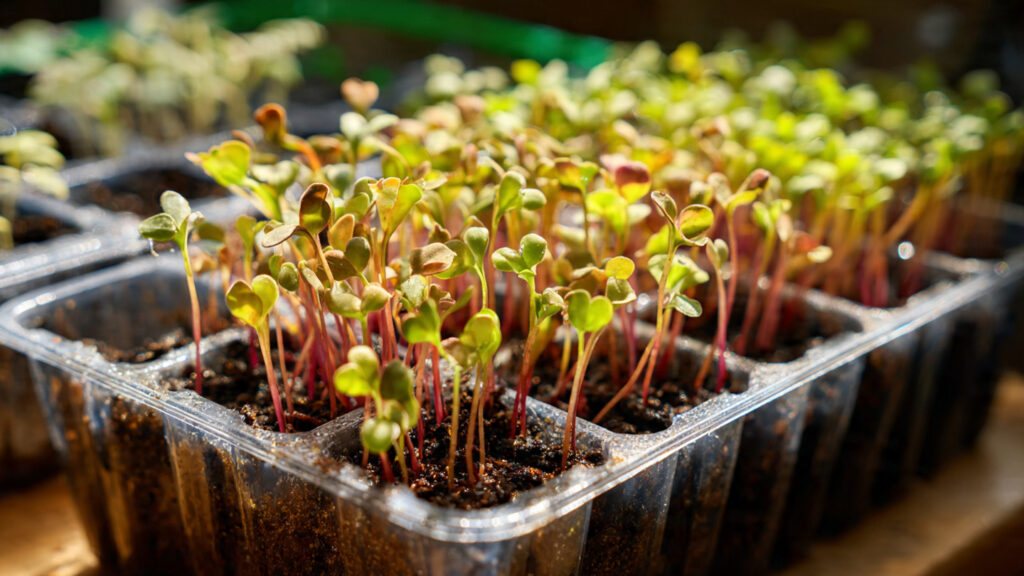
Pre-sprouting, also known as seed priming or soaking, is the process of encouraging seeds to germinate before planting them in soil. The idea is simple: instead of planting dry seeds directly in the ground, you give them a head start in a controlled environment until the tiny roots or shoots appear. Once they have sprouted, they are ready to be transferred to soil or containers.
This technique is especially useful for seeds that are slow to germinate or have hard shells, such as beans, peas, tomatoes, peppers, and certain flowers.
Why Pre-Sprouting Improves Gardening Success
Pre-sprouting seeds offers several advantages that make your garden more productive and less frustrating:
- Faster Germination: Pre-sprouted seeds bypass the initial waiting period, meaning you’ll see seedlings emerge sooner.
- Higher Germination Rates: Seeds that have successfully sprouted before planting are less likely to fail.
- Early Start for Short Seasons: In cooler climates with shorter growing seasons, pre-sprouting ensures plants have a head start.
- Reduced Risk from Soil Conditions: Seeds germinate in a controlled environment, avoiding problems like uneven soil moisture, pests, or fungal rot.
- Stronger Seedlings: Pre-sprouted seeds often produce more vigorous seedlings, giving your plants a better chance to thrive.
Which Seeds Benefit Most From Pre-Sprouting?
While most seeds can benefit, some respond particularly well to pre-sprouting techniques:
- Legumes: Beans, peas, and lentils germinate faster and more reliably.
- Nightshades: Tomatoes, peppers, and eggplants often struggle in cold soil but do well when pre-sprouted indoors.
- Squashes and Melons: Seeds with tough outer coatings benefit from soaking to soften the shell.
- Flower Seeds: Larger seeds like sunflowers and nasturtiums often sprout more consistently when pre-soaked.
How to Pre-Sprout Seeds
There are several effective ways to pre-sprout seeds at home, using materials you likely already have:
1. Paper Towel Method
Step-by-step:
- Moisten a paper towel and place seeds on it.
- Fold the towel over the seeds and place it in a plastic bag or shallow container.
- Keep it in a warm area, out of direct sunlight.
- Check daily for tiny roots or shoots, and mist the towel if it starts to dry.
Once the seeds show small roots, carefully plant them in soil, taking care not to damage the delicate sprouts.
2. Jar or Cup Method
Step-by-step:
- Place seeds in a glass jar or cup with a small amount of water.
- Change the water daily to prevent mold.
- Watch as seeds swell and tiny sprouts appear within a few days.
This method works well for beans, peas, and other legumes. Once sprouted, transplant immediately into soil to avoid overgrowth in water.
3. Direct Soaking
Step-by-step:
- Soak seeds in warm water for 12–24 hours.
- Some hard-coated seeds, like morning glory or nasturtium, may benefit from soaking up to 48 hours.
- Drain the water and plant the seeds immediately in soil.
Soaking softens the seed coat, speeds up germination, and can improve overall success rates.
Tips for Successful Pre-Sprouting
To maximize the success of pre-sprouting, consider the following tips:
- Use fresh, high-quality seeds: Older seeds may have reduced viability.
- Maintain proper moisture: Keep seeds damp but not soaking wet to prevent rot.
- Provide warmth: Most seeds germinate best at temperatures between 70–80°F (21–27°C).
- Handle sprouts carefully: The tiny roots are fragile—avoid touching or bending them.
- Transplant promptly: Once roots appear, plant seedlings as soon as possible to prevent stunted growth.
Pre-Sprouting vs. Direct Sowing
Some gardeners wonder if pre-sprouting is necessary, especially for small seeds. Here’s how pre-sprouting compares to traditional direct sowing:
| Factor | Pre-Sprouting | Direct Sowing |
|---|---|---|
| Germination speed | Faster, often within days | Slower, may take weeks |
| Success rate | Higher, most seeds sprout | Variable, dependent on soil & weather |
| Early planting | Ideal for short growing seasons | Risky if soil is cold or dry |
| Seedling strength | Stronger, more resilient roots | May be weaker, slower start |
For gardeners seeking reliability, pre-sprouting offers a clear advantage.
➡️ How to Grow Malabar Spinach from Cuttings for Fast, Easy Greens
➡️ How to Grow Super Delicious Cabbage at Home Without a Garden
➡️ How to Grow Bean Sprouts at Home in Plastic Bottles Easily (Step‑by‑Step Guide)
➡️ Why is Your Lemon Tree Blooming in the Heart of Winter?
➡️ Why Should Your Garden Have a Dedicated Pollinator Highway?
➡️ Why Do Your Fruit Trees Need a Winter Wash to Thrive in Spring?
➡️ How Can Rice Water Transform Your Fruits into Sweeter Delights?
➡️ Jumpstart Your Winter Garden: Seed Starting Under Lights
Beyond the Seed: Preparing Soil and Containers
Pre-sprouting gives seeds a head start, but success depends on the environment once they’re planted. Consider these steps:
- Use nutrient-rich soil: A mix with compost ensures seedlings have the nutrients they need.
- Ensure drainage: Avoid waterlogged soil that can kill fragile roots.
- Provide light: Seedlings need at least 6–8 hours of light daily, either from the sun or grow lights.
- Protect from pests: Young seedlings are vulnerable to slugs, snails, and insects. Consider barriers or organic repellents.
Common Mistakes to Avoid
Even with pre-sprouting, gardeners can encounter issues. Here’s what to watch out for:
- Overwatering: Too much water during pre-sprouting can cause seeds to rot.
- Delayed planting: Sprouts can exhaust their energy if left too long in paper towels or jars.
- Crowding: Plant only a few seeds per container to avoid competition and weak growth.
- Neglecting temperature: Seeds may fail to germinate if it’s too cold or too hot.
By avoiding these pitfalls, you’ll maximize your pre-sprouting success.
Why Pre-Sprouting Boosts Garden Confidence
Pre-sprouting seeds doesn’t just improve plant growth; it also builds gardener confidence. Seeing seeds sprout quickly provides tangible results and motivation, especially for beginners. It turns gardening from a guessing game into a more controlled, predictable process. With higher germination rates and stronger seedlings, gardeners feel empowered and ready to experiment with new varieties, larger gardens, or more challenging plants.
Conclusion: Small Effort, Big Results
Pre-sprouting seeds is a simple yet powerful technique that can make a dramatic difference in your garden’s success. By giving seeds a head start in a controlled environment, you can achieve faster germination, higher success rates, and healthier, more vigorous seedlings.
Whether you’re growing vegetables, flowers, or herbs, pre-sprouting is a cost-effective, low-risk method to boost your gardening results. With careful attention to moisture, warmth, and gentle handling, even novice gardeners can enjoy the satisfaction of seeing seeds transform into thriving plants.
Start small with a few seeds, experiment with different methods, and watch as your garden flourishes—all thanks to the power of pre-sprouting seeds.