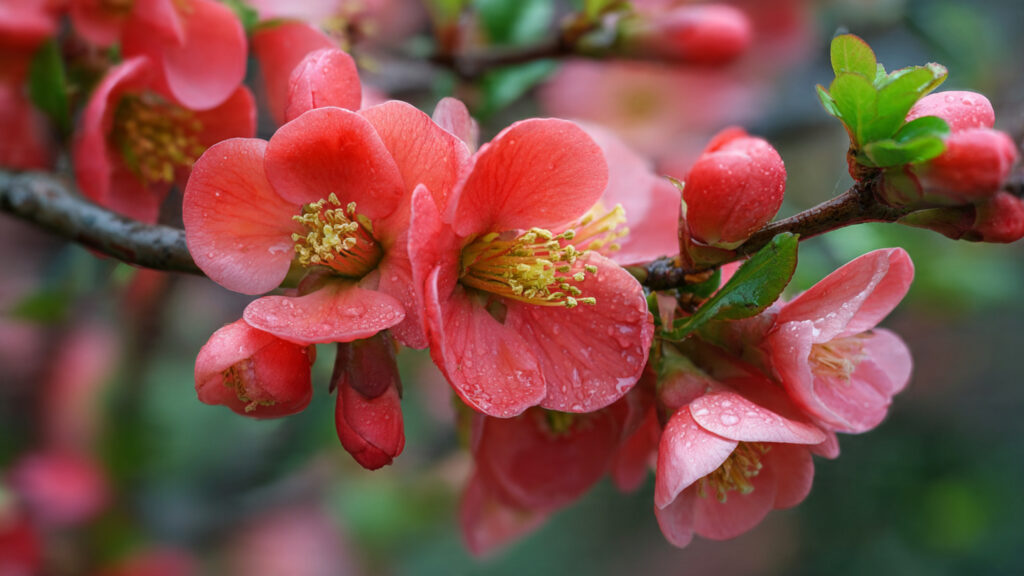
Quince bushes, known for their fragrant blooms and ornamental beauty, are a rewarding addition to any garden. These hardy shrubs not only produce gorgeous flowers in spring but can also yield small, aromatic fruits that are perfect for jams, jellies, and desserts. However, like all flowering plants, quince bushes require proper care and attention to thrive. Whether you’re a beginner gardener or looking to improve your existing quince plants, adopting smart gardening practices will ensure healthy growth, vibrant blooms, and a stunning garden display.
Here are 10 smart gardening tips for growing healthy, beautiful blooming quince bushes.
1. Choose the Right Location
The foundation of a healthy quince bush begins with selecting the perfect planting spot.
- Sunlight: Quince bushes thrive in full sun, requiring at least 6 hours of direct sunlight per day. Adequate sunlight encourages strong flowering and fruiting.
- Soil: They prefer well-draining soil, slightly acidic to neutral (pH 6.0–7.0). Avoid low-lying areas where water may collect and cause root rot.
- Air Circulation: Good air movement reduces the risk of fungal diseases, which quince bushes are susceptible to, especially in humid conditions.
Tip: Avoid planting near large trees or shrubs that compete for sunlight and nutrients.
2. Plant at the Right Time
Timing is crucial for establishing healthy quince bushes.
- Best planting seasons: Early spring or late fall are ideal. This allows the bush to establish roots before extreme weather conditions.
- Dormant planting: Planting while the bush is dormant reduces transplant shock and improves survival rates.
Tip: If planting in containers, ensure adequate drainage holes and transplant into the garden during the optimal season.
3. Proper Spacing
Quince bushes can spread significantly, and proper spacing ensures healthy growth and abundant blooms.
- Recommended spacing: Plant bushes at least 4–6 feet apart to allow air circulation and prevent overcrowding.
- Avoid competition: Adequate spacing ensures roots have room to grow and absorb nutrients efficiently.
Tip: Use stakes or temporary markers when planting multiple bushes to maintain uniform spacing and an aesthetically pleasing layout.
4. Soil Preparation and Fertilization
Healthy soil is the key to vigorous quince bushes.
- Soil enrichment: Before planting, mix compost or well-rotted manure into the soil. This improves fertility, water retention, and soil structure.
- Fertilization: Apply a balanced fertilizer (10-10-10 NPK) in early spring. Avoid over-fertilizing with nitrogen, as it promotes leafy growth at the expense of flowers.
- pH adjustment: If soil is too acidic, add garden lime; if alkaline, incorporate organic matter like compost or peat moss.
Tip: Mulching with organic material like straw or bark chips retains moisture, suppresses weeds, and slowly enriches the soil.
5. Watering Wisely
Proper watering is essential for bloom formation and overall plant health.
- Frequency: Water deeply once or twice a week, depending on weather and soil type.
- Consistency: Avoid water stress; both overwatering and underwatering can reduce flower production.
- Techniques: Use drip irrigation or soaker hoses to provide moisture directly to the root zone while keeping foliage dry.
Tip: Newly planted bushes need more frequent watering until roots establish. Established quince bushes are relatively drought-tolerant but still benefit from regular watering during dry spells.
6. Pruning for Flowering
Pruning is one of the most effective ways to encourage flowering in quince bushes.
- Timing: Prune immediately after flowering or in late winter while the plant is dormant.
- Techniques: Remove dead, damaged, or weak branches. Thin crowded branches to allow light and air penetration.
- Shape maintenance: Regular pruning maintains a balanced bush shape and prevents sprawling growth.
Tip: Avoid heavy pruning during the growing season, as it can reduce flower buds and stress the plant.
7. Pest and Disease Management
Quince bushes are generally hardy but can be affected by pests and diseases.
➡️ How to Grow Malabar Spinach from Cuttings for Fast, Easy Greens
➡️ How to Grow Super Delicious Cabbage at Home Without a Garden
➡️ How to Grow Bean Sprouts at Home in Plastic Bottles Easily (Step‑by‑Step Guide)
➡️ Why is Your Lemon Tree Blooming in the Heart of Winter?
➡️ Why Should Your Garden Have a Dedicated Pollinator Highway?
➡️ Why Do Your Fruit Trees Need a Winter Wash to Thrive in Spring?
➡️ How Can Rice Water Transform Your Fruits into Sweeter Delights?
➡️ Jumpstart Your Winter Garden: Seed Starting Under Lights
- Common pests: Aphids, scale insects, and leaf rollers can damage foliage and flowers.
- Common diseases: Fire blight, powdery mildew, and rust are frequent problems.
- Prevention: Inspect plants regularly, remove affected parts promptly, and practice good sanitation.
- Organic solutions: Neem oil or insecticidal soap can control pests, while copper-based fungicides can help prevent fungal infections.
Tip: Ensure proper spacing and pruning to reduce humidity around the bush, which minimizes disease risk.
8. Encourage Pollination
Quince flowers rely on pollinators for fruit production. Enhancing pollination can indirectly improve the health and flowering cycle of your bush.
- Attract pollinators: Plant companion flowers such as lavender, marigolds, or borage nearby to attract bees and butterflies.
- Hand pollination: For isolated plants, gently transfer pollen between flowers using a soft brush.
- Avoid chemicals: Pesticides during bloom can harm pollinators, reducing fruit set and overall plant vigor.
Tip: Encourage a pollinator-friendly garden ecosystem to boost flowering and future fruit production.
9. Temperature and Climate Considerations
Quince bushes are hardy but sensitive to extreme conditions.
- Frost protection: Late frosts can damage buds and reduce flowering. Use frost cloths or covers during unexpected cold snaps.
- Heat stress: Mulch and adequate watering help protect roots and foliage during hot summer months.
- Location: Plant in spots sheltered from strong winds, which can damage flowers and reduce bloom longevity.
Tip: Selecting the right variety for your climate ensures consistent flowering year after year.
10. Patience and Observation
Lastly, patience is essential when growing quince bushes. Some bushes may take a couple of years to mature and produce consistent blooms. Observing your plants and adjusting care routines is key to long-term success.
- Monitor growth: Track bloom times, flower density, and plant health. Adjust fertilization, pruning, or watering practices as needed.
- Expect gradual improvement: Young bushes may have fewer blooms initially but will flower more abundantly as they establish.
- Experiment with care: Slight adjustments to sunlight exposure, pruning techniques, or soil enrichment can significantly improve flowering over time.
Tip: Keep a gardening journal to record observations and successful practices for future seasons.
Conclusion
Growing healthy, beautiful blooming quince bushes requires a combination of thoughtful planning, proper care, and patience. By choosing the right location, preparing soil, watering wisely, pruning appropriately, and managing pests, gardeners can enjoy spectacular displays of fragrant flowers and delicious fruits. Embracing smart gardening practices not only enhances the beauty of your quince bushes but also strengthens their health, longevity, and productivity.
With these 10 tips, you can cultivate a vibrant, thriving quince garden that delights the senses and provides seasonal beauty for years to come. Whether you are a beginner or an experienced gardener, applying these strategies will help you enjoy abundant blooms, lush foliage, and the satisfaction of growing one of the garden’s most ornamental and rewarding shrubs.