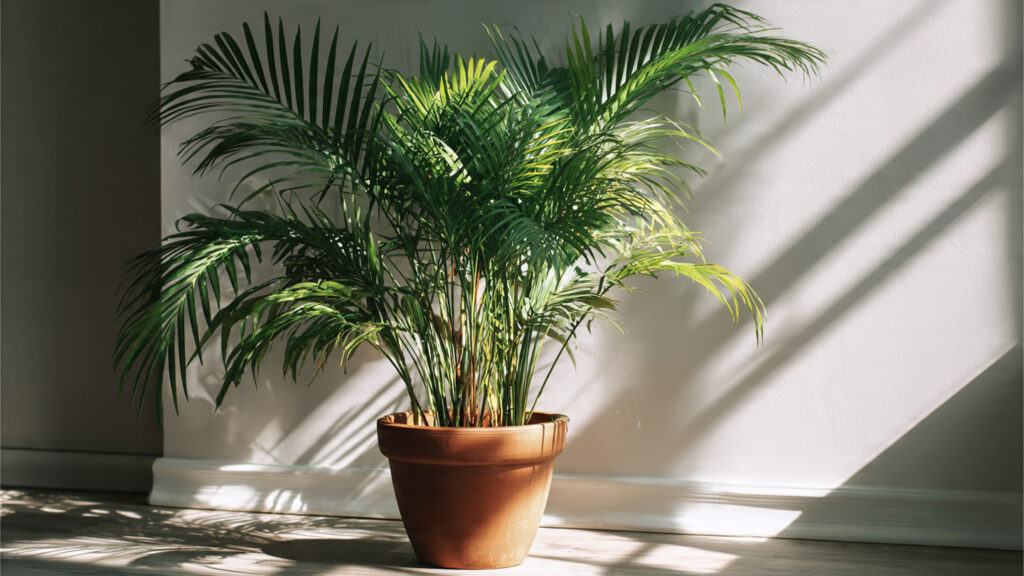
Indoor palm plants are a favorite among plant enthusiasts for their tropical elegance, graceful fronds, and ability to bring life to any indoor space. From the classic Areca palm to the towering Kentia palm, these plants add sophistication, natural air purification, and a touch of serenity to homes and offices. However, keeping indoor palms healthy and thriving requires more than just placing them in a corner and watering occasionally. Understanding their specific needs—including light, water, soil, humidity, and pest management—is key to maintaining a vibrant indoor palm. This guide provides a comprehensive, step-by-step approach to indoor palm care, ensuring your palms flourish year-round.
Choosing the Right Indoor Palm
Before diving into care, it’s important to select a palm species suited for indoor life. Some popular indoor palms include:
- Areca Palm (Dypsis lutescens): Also known as the butterfly palm, it grows well in bright, indirect light and adds a lush, feathery texture to interiors.
- Kentia Palm (Howea forsteriana): Slow-growing, low-maintenance, and tolerant of low light, ideal for indoor spaces.
- Parlor Palm (Chamaedorea elegans): Compact and adaptable, perfect for small apartments or offices.
- Majesty Palm (Ravenea rivularis): Tall, elegant, and best in bright indirect light, with regular watering needs.
- Bamboo Palm (Chamaedorea seifrizii): Hardy and easy to care for, known for its air-purifying qualities.
Choosing the right species for your space and light conditions ensures a strong start and reduces stress on your plant.
Light Requirements
Light is one of the most crucial factors for indoor palm health. While palms are generally adaptable, most prefer bright, indirect light.
- Bright, filtered light: Place your palm near east- or west-facing windows. Avoid direct sunlight for extended periods, as it can scorch the leaves.
- Low light tolerant palms: Parlor palms and Kentia palms can survive in low-light conditions, though growth may be slower.
- Rotate regularly: Turning the plant every few weeks ensures even growth and prevents leaning toward the light source.
Proper lighting encourages strong, vibrant fronds and prevents yellowing or drooping leaves.
Watering Guidelines
Watering is where many indoor palm owners struggle. Overwatering or underwatering can harm the plant. Follow these guidelines:
- Check soil moisture: Insert your finger about 2 inches into the soil. Water only when the topsoil feels dry.
- Consistent watering: Palms prefer consistent moisture but not soggy soil. Overwatering can lead to root rot, while underwatering can cause frond browning.
- Use well-draining pots: Ensure the pot has drainage holes and use a soil mix that allows excess water to flow freely.
- Adjust for season: Water more frequently in summer when growth is active, and reduce watering during winter dormancy.
Tip: Using room-temperature water prevents shocking the roots and encourages better absorption.
Soil and Potting
The right soil is essential for palm health:
- Well-draining soil: Use a mix formulated for palms or combine regular potting soil with sand, perlite, or peat moss.
- Pot size: Choose a pot slightly larger than the root ball to allow growth. Avoid excessively large pots, which can retain water and increase the risk of root rot.
- Repotting: Repot every 2–3 years to refresh the soil and accommodate growth. Be gentle with the roots, as palms do not respond well to disturbance.
A good soil mix ensures proper aeration, moisture retention, and nutrient availability, all of which are critical for indoor palms.
Humidity and Temperature
Palms thrive in warm, humid environments, which mimic their tropical origins:
- Humidity: Most indoor palms prefer 40–60% humidity. Use a humidifier, pebble tray, or regular misting to maintain moisture around the plant.
- Temperature: Keep palms in temperatures between 65–80°F (18–27°C). Avoid placing them near cold drafts, heaters, or air conditioners, which can stress the plant.
- Consistent environment: Sudden temperature changes can cause leaf drop or slowed growth.
Creating a stable microclimate for your palm ensures lush growth and reduces stress-related issues.
Fertilization
Regular feeding supports healthy frond development and overall vitality:
- Balanced fertilizer: Use a slow-release or liquid fertilizer formulated for palms, typically containing nitrogen, potassium, magnesium, and iron.
- Frequency: Fertilize every 4–6 weeks during the growing season (spring and summer). Reduce or stop fertilization during fall and winter when growth slows.
- Avoid over-fertilizing: Excessive fertilizer can burn roots and cause leaf tip browning. Follow label instructions carefully.
Tip: Applying a micronutrient-rich fertilizer helps prevent yellowing leaves due to deficiencies.
Pruning and Maintenance
Proper pruning keeps palms attractive and healthy:
- Remove dead fronds: Trim yellow, brown, or damaged fronds at the base using clean, sharp scissors.
- Avoid excessive pruning: Cutting healthy green fronds can weaken the plant. Palms rely on leaves for photosynthesis, so maintain most of the fronds.
- Clean leaves: Dust accumulation reduces photosynthesis. Wipe fronds gently with a damp cloth to keep leaves clean and glossy.
Regular maintenance promotes energy flow and reduces the risk of pests or fungal infections.
➡️ How to Grow Malabar Spinach from Cuttings for Fast, Easy Greens
➡️ How to Grow Super Delicious Cabbage at Home Without a Garden
➡️ How to Grow Bean Sprouts at Home in Plastic Bottles Easily (Step‑by‑Step Guide)
➡️ Why is Your Lemon Tree Blooming in the Heart of Winter?
➡️ Why Should Your Garden Have a Dedicated Pollinator Highway?
➡️ Why Do Your Fruit Trees Need a Winter Wash to Thrive in Spring?
➡️ How Can Rice Water Transform Your Fruits into Sweeter Delights?
➡️ Jumpstart Your Winter Garden: Seed Starting Under Lights
Common Problems and Solutions
Even with excellent care, indoor palms may face occasional challenges:
1. Yellowing Leaves
- Causes: Overwatering, underwatering, nutrient deficiency, or low humidity.
- Solution: Check soil moisture, adjust watering, increase humidity, and fertilize appropriately.
2. Brown Leaf Tips
- Causes: Low humidity, salt buildup from fertilizer, or inconsistent watering.
- Solution: Trim brown tips, flush soil occasionally to remove salts, and maintain steady moisture.
3. Pests
- Common pests: Spider mites, mealybugs, scale insects.
- Solution: Inspect fronds regularly, wipe with soapy water, or use neem oil as an organic treatment.
4. Slow Growth
- Causes: Low light, nutrient deficiency, or root-bound conditions.
- Solution: Provide brighter indirect light, fertilize during the growing season, and repot if necessary.
By addressing issues promptly, you can maintain a healthy, thriving indoor palm.
Tips for a Thriving Indoor Palm
- Position thoughtfully: Place your palm where it receives optimal light without drafts or direct harsh sunlight.
- Combine with other plants: Grouping palms with ferns or tropical plants can increase humidity and create a lush display.
- Monitor regularly: Check soil, leaves, and overall plant health weekly. Early intervention prevents problems from escalating.
- Be patient: Palms are slow growers, so consistent care over months or years is key to success.
Patience and attention to detail pay off, as a well-cared-for indoor palm becomes a long-term, elegant feature of your home.
Conclusion
Indoor palms bring elegance, greenery, and a sense of tropical calm to indoor spaces. Keeping them healthy and thriving requires understanding their needs for light, water, soil, humidity, and nutrients, as well as regular maintenance and monitoring. By selecting the right species, placing them in appropriate locations, providing proper care, and addressing common problems promptly, you can enjoy lush, vibrant palms that transform your indoor environment.
Whether you’re a beginner or an experienced plant parent, following this foolproof guide to indoor palm care ensures your plants flourish, bringing beauty, freshness, and a touch of tropical paradise into your home.