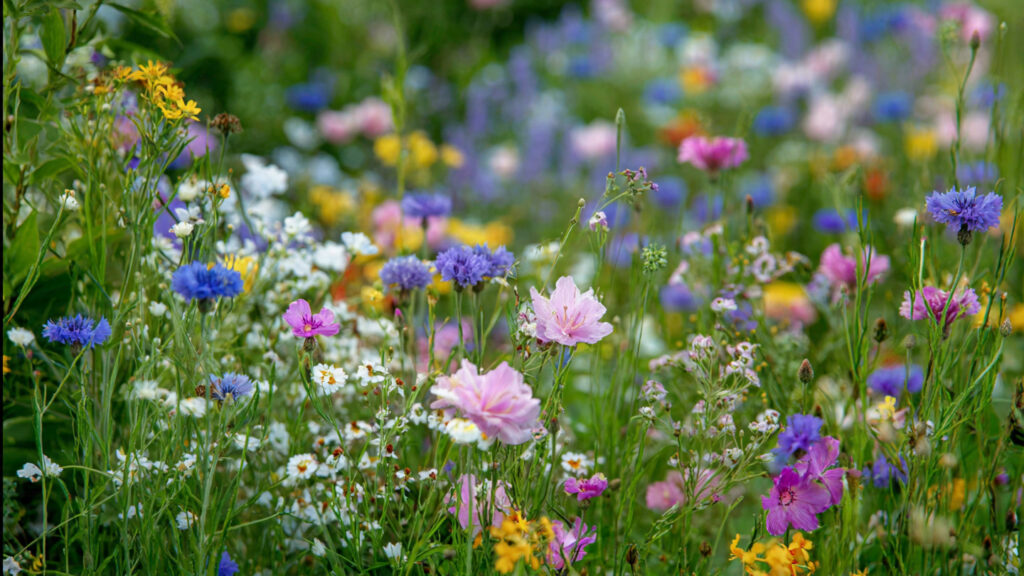
Imagine stepping outside and seeing your garden bursting with colorful blooms, buzzing bees, fluttering butterflies, and a soft natural beauty that looks like it belongs in the countryside. The best part? It doesn’t require constant watering, fertilizing, or endless upkeep.
That’s the magic of a low-maintenance wildflower garden.
Wildflowers are nature’s way of proving that gardening doesn’t have to be complicated. With the right approach, you can create a stunning, self-sustaining space that supports pollinators, saves water, and brings effortless charm to your yard.
Gardening experts agree: wildflower gardens are one of the easiest and most rewarding landscapes you can grow.
Let’s explore exactly how to start one—step by step.
Why Wildflower Gardens Are So Popular Right Now
Wildflower gardens are more than just pretty. They’re practical, eco-friendly, and surprisingly simple.
Experts love them because they:
- Require less watering once established
- Thrive without heavy fertilizing
- Attract bees, butterflies, and beneficial insects
- Improve soil health naturally
- Bring vibrant seasonal color with minimal effort
Unlike traditional flower beds that demand constant attention, wildflowers are built for resilience.
As many gardeners say: wildflowers are the original low-maintenance plants.
Step 1: Choose the Right Location
The first key to success is picking the perfect spot.
Most Wildflowers Need Sun
Gardening experts recommend selecting an area that gets:
- At least 6 hours of sunlight per day
Full sun encourages strong stems, abundant blooms, and better seed production.
Don’t Worry About “Perfect Soil”
Wildflowers often thrive in average or even poor soil. In fact, overly rich soil can lead to too much leafy growth and fewer flowers.
Ideal Areas for Wildflower Gardens
- Along fences
- Empty corners of the yard
- Borders around vegetable gardens
- Slopes or hard-to-mow areas
- Patches of lawn you want to replace
Wildflowers are perfect for turning unused spaces into living art.
Step 2: Decide Between Annuals, Perennials, or Both
Experts suggest thinking about how long you want your wildflower garden to last.
➡️ How to Grow Malabar Spinach from Cuttings for Fast, Easy Greens
➡️ How to Grow Super Delicious Cabbage at Home Without a Garden
➡️ How to Grow Bean Sprouts at Home in Plastic Bottles Easily (Step‑by‑Step Guide)
➡️ Why is Your Lemon Tree Blooming in the Heart of Winter?
➡️ Why Should Your Garden Have a Dedicated Pollinator Highway?
➡️ Why Do Your Fruit Trees Need a Winter Wash to Thrive in Spring?
➡️ How Can Rice Water Transform Your Fruits into Sweeter Delights?
➡️ Jumpstart Your Winter Garden: Seed Starting Under Lights
Annual Wildflowers
These bloom the first year, then reseed themselves.
Popular annuals include:
- California poppy
- Cornflower
- Cosmos
- Bachelor’s button
Perennial Wildflowers
These return year after year, but may take longer to establish.
Examples include:
- Black-eyed Susan
- Purple coneflower
- Bee balm
- Milkweed
Best Choice? A Mix
Most gardening professionals recommend planting a blend of annuals and perennials for:
- Quick first-year color
- Long-term growth
- A more natural look over time
Step 3: Select Wildflowers Native to Your Region
This is one of the most important expert tips.
Native wildflowers are adapted to your local climate, meaning they:
- Need less water
- Resist pests naturally
- Support local pollinators
- Grow better with fewer inputs
How to Find Native Wildflowers
- Check local garden centers
- Search for regional wildflower seed mixes
- Contact your local extension office
Avoid generic “wildflower mixes” that may include invasive species.
Experts agree: native plants create the healthiest and easiest gardens.
Step 4: Prepare the Soil the Right Way
Wildflowers are low-maintenance, but they still need a good start.
Clear Existing Grass and Weeds
Weeds are the biggest threat during the early stages.
You can remove them by:
- Hand digging
- Smothering with cardboard
- Solarizing with plastic
- Shallow tilling (for large areas)
Rake and Loosen the Surface
Wildflower seeds need contact with soil to germinate.
Gardening experts recommend:
- Loosening the top 1–2 inches
- Removing rocks and thick clumps
- Keeping soil level and fine
Skip Heavy Fertilizer
Wildflowers prefer lean soil. Too much fertilizer encourages weeds and weak growth.
Step 5: Plant Seeds at the Right Time
Timing matters.
Best Planting Seasons
Experts suggest:
- Spring planting after the last frost
- Fall planting for natural cold stratification
Fall planting often produces stronger spring blooms because seeds experience winter conditions naturally.
How to Sow Wildflower Seeds
- Mix seeds with sand for even spreading
- Scatter seeds evenly over the soil
- Press them gently into the ground
- Do not bury deeply—most need light to sprout
A simple rule: Plant shallow, press firmly, water gently.
Step 6: Water Smart in the Beginning
Wildflowers become drought-tolerant, but young seedlings need moisture.
First 3–6 Weeks
Water lightly every few days to keep the surface damp.
After Establishment
Once plants are a few inches tall, reduce watering.
After the first season, most wildflower gardens thrive with:
- Rainwater alone
- Occasional watering during extreme drought
Experts call this the “hands-off stage”—where nature takes over.
Step 7: Keep Weeds Under Control Early On
The first year is the only time wildflowers need real attention.
Weeding Tips from Gardening Experts
- Pull weeds before they flower
- Weed gently so you don’t disturb seedlings
- Mow the area lightly if weeds take over (yes, mowing!)
A wildflower garden isn’t messy—it’s just establishing balance.
After year one, wildflowers usually outcompete weeds naturally.
Step 8: Add Mulch Carefully (Or Not at All)
Mulch can help suppress weeds, but too much mulch prevents seeds from germinating.
Experts recommend:
- Avoiding mulch during seed-starting
- Using light straw mulch only after seedlings appear
- Leaving soil mostly open for natural reseeding
Wildflowers prefer a more natural ground surface.
Step 9: Encourage Pollinators and Wildlife
One of the best benefits of wildflower gardens is how alive they feel.
Wildflowers attract:
- Bees
- Butterflies
- Hummingbirds
- Ladybugs
- Songbirds
To boost biodiversity, experts suggest adding:
- Milkweed for monarchs
- Bee balm for native bees
- Sunflowers for birds
A wildflower garden becomes a miniature ecosystem.
Step 10: Maintenance Is Minimal (That’s the Point!)
Once established, wildflower gardens are incredibly easy.
Yearly Maintenance Checklist
- Cut back dead stems in late winter or early spring
- Leave seed heads through fall for birds
- Reseed thin patches if needed
- Avoid chemical herbicides
Experts recommend embracing a slightly wild look—it’s part of the charm.
Nature doesn’t do perfect rows, and wildflower gardens shouldn’t either.
Common Mistakes to Avoid
Even low-maintenance gardens can struggle if started incorrectly.
Gardening experts warn against:
- Planting without removing grass first
- Using non-native invasive mixes
- Overwatering after establishment
- Applying fertilizer unnecessarily
- Expecting a perfect meadow in the first month
Wildflower gardens take a season or two to reach their full glory.
Patience pays off.
Final Thoughts: Wild Beauty With Less Work
Starting a low-maintenance wildflower garden is one of the smartest, most rewarding gardening projects you can do.
It’s not just about flowers—it’s about creating a space that feels alive, natural, and joyful, without demanding constant effort.
With the right seeds, a sunny spot, and a little care in the beginning, your garden will soon become a blooming paradise that practically takes care of itself.
So scatter those seeds, let nature lead the way, and enjoy the wild magic unfold. 🌼🦋