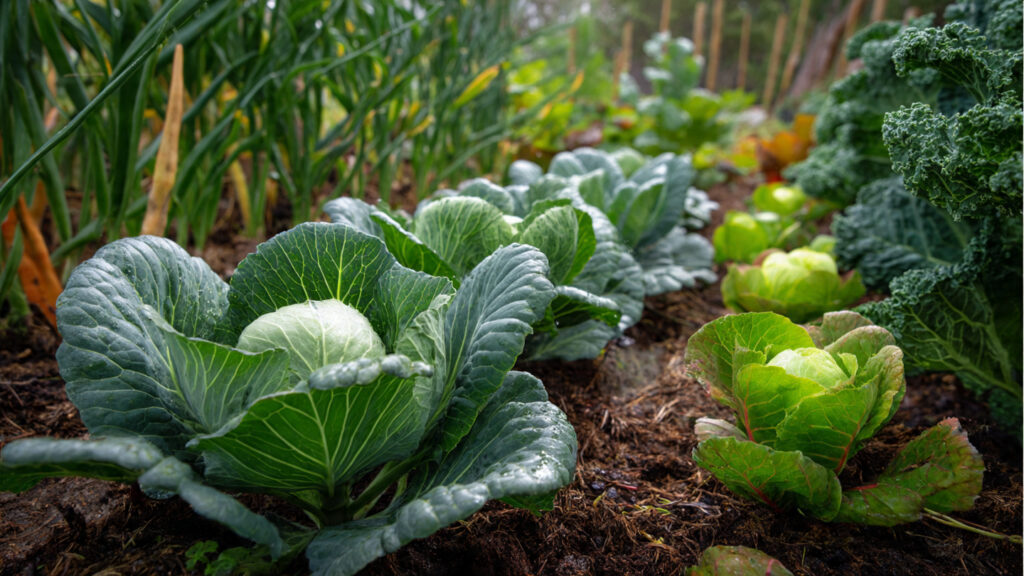
Gardening has long been associated with seasonal cycles: sow seeds in spring, harvest in summer, and prepare for dormancy in winter. But not all vegetables fit neatly into this pattern. Perennial vegetables—plants that live for several years and keep producing crops without needing to be replanted—offer a revolutionary approach to gardening. Not only do they save time and effort, but they also bring sustainability, resilience, and a touch of history to your garden. Surprisingly, even a medieval vegetable that has been cultivated for centuries still has a place in modern perennial gardens. Here’s why you should consider planting perennial veggies and how to make the most of them.
What Are Perennial Vegetables?
Perennial vegetables differ from annuals in that they don’t need to be replanted each year. While annual vegetables complete their life cycle in a single season, perennials come back year after year, often improving in yield as they mature. Examples include asparagus, rhubarb, sorrel, kale, and certain herbs.
Benefits of Perennial Veggies:
- Reduced Workload: Once established, they require less tilling, sowing, and transplanting.
- Soil Health: Perennials protect the soil from erosion and build organic matter over time.
- Consistent Harvests: They can provide food early in the season and continue producing for multiple months or even years.
- Biodiversity: They attract beneficial insects, pollinators, and improve your garden’s ecosystem.
Growing perennial vegetables is like planting a gift that keeps giving—year after year.
The Medieval Veggie You Shouldn’t Overlook
Among perennial vegetables, one particularly fascinating option has a medieval history: skirret (Sium sisarum).
What is Skirret?
- Origin: Skirret was widely grown in Europe during the Middle Ages for its sweet, white roots.
- Taste: Its roots are mildly sweet, somewhat similar to parsnips, and can be eaten raw, roasted, or boiled.
- Growing Habit: Skirret is perennial, hardy, and surprisingly easy to maintain once established.
While it may have fallen out of favor in modern kitchens, skirret offers a link to historical gardening practices and a unique flavor for adventurous cooks. Planting it alongside more common perennial veggies is both a nod to tradition and a practical choice for a sustainable garden.
Why Perennial Veggies Are Game-Changers
1. Less Labor, More Yield
Annual gardens require replanting each year, which can be labor-intensive and time-consuming. Perennials reduce repetitive work. For example:
- Asparagus can produce for 15–20 years once established.
- Rhubarb offers early spring stalks without additional planting.
- Skirret roots grow deeper over time, producing a consistent harvest year after year.
2. Eco-Friendly and Sustainable
Perennials improve sustainability in several ways:
- Soil Conservation: Their root systems stabilize soil, reducing erosion and water runoff.
- Water Efficiency: Established perennials require less frequent watering because their roots access deeper soil moisture.
- Reduced Chemical Use: Perennials are often more resilient to pests and diseases, meaning fewer pesticides and fertilizers.
3. Extended Harvest Season
Unlike many annuals, perennials can provide fresh produce over multiple months. For instance:
- Sorrel leaves emerge early in spring, adding tangy flavor to salads.
- Kale can survive mild winters and produce leaves continuously.
- Skirret roots can be harvested late in fall and even during winter in mild climates.
How to Plant Perennial Vegetables
1. Site Selection
- Choose a well-drained location with fertile soil.
- Ensure adequate sunlight; most perennial vegetables prefer full sun, though some like sorrel tolerate partial shade.
2. Soil Preparation
- Enrich soil with compost or well-rotted manure before planting.
- Avoid heavy tilling once perennials are established; their root systems should remain undisturbed.
3. Planting Tips
- Spacing: Provide ample room for each perennial to grow. Crowding reduces airflow and increases disease risk.
- Watering: Keep soil moist until the plants are established. Once mature, many perennials require minimal supplemental watering.
- Mulching: Apply organic mulch to retain moisture, suppress weeds, and regulate soil temperature.
4. Companion Planting
- Plant perennials with compatible neighbors. For example:
- Asparagus pairs well with tomatoes and parsley.
- Sorrel can grow near strawberries or garlic.
- Skirret thrives alongside beans and other root vegetables.
Maintaining Perennial Vegetables
Once established, perennials require minimal maintenance, but there are some important practices to maximize yield and plant health:
- Pruning and Harvesting: Remove dead leaves and stems to encourage new growth and reduce pest problems.
- Fertilizing: Apply organic compost annually. Heavy fertilization is usually unnecessary.
- Dividing Plants: Some perennials, like rhubarb, benefit from division every 3–4 years to maintain vigor.
- Winter Protection: In colder climates, add mulch or straw around the base to protect roots from freezing.
Cooking and Enjoying Perennial Vegetables
Perennial vegetables are versatile in the kitchen:
- Asparagus: Steam, roast, or grill for a springtime favorite.
- Rhubarb: Ideal for pies, jams, and sauces—though typically paired with sweeter fruits.
- Sorrel: Adds a citrusy zing to soups, salads, and omelets.
- Skirret: Roast roots like carrots, mash them, or add raw to salads for a subtly sweet flavor.
By diversifying your garden with perennials, you also diversify your culinary options, offering fresh and flavorful produce year after year.
Why Even Beginners Should Consider Perennials
Many gardeners assume that perennials are difficult to grow or require advanced skills, but they are surprisingly beginner-friendly:
- Low Maintenance: Once planted, perennials require minimal attention compared to annuals.
- Reliable Harvests: No need to replant each year—plants return, often with increasing yield.
- Space Efficiency: Perennials grow in place, making them ideal for small gardens, container gardening, or permaculture setups.
- Educational Value: Growing perennials teaches patience and long-term planning, providing an ongoing gardening experience.
Even planting a medieval vegetable like skirret can be simple and rewarding. Its deep roots tolerate a range of soil types, and it thrives with minimal care, making it perfect for those exploring perennial gardening for the first time.
Conclusion
Planting perennial vegetables is more than a gardening trend—it’s a sustainable, practical, and historically rich approach to growing food. From modern favorites like asparagus, kale, and rhubarb to the medieval charm of skirret, perennials provide consistent harvests, reduce labor, and improve your garden’s ecosystem.
By incorporating perennial vegetables into your garden, you’re investing in a living system that rewards you year after year. Even beginners can enjoy the benefits: less work, more flavor, and the satisfaction of growing vegetables that connect the past with the present. So why stick to short-lived annuals when you can cultivate a garden that endures through the seasons—and centuries? Plant perennial veggies today, and watch your garden thrive for years to come.
➡️ How to Grow Malabar Spinach from Cuttings for Fast, Easy Greens
➡️ How to Grow Super Delicious Cabbage at Home Without a Garden
➡️ How to Grow Bean Sprouts at Home in Plastic Bottles Easily (Step‑by‑Step Guide)
➡️ Why is Your Lemon Tree Blooming in the Heart of Winter?
➡️ Why Should Your Garden Have a Dedicated Pollinator Highway?
➡️ Why Do Your Fruit Trees Need a Winter Wash to Thrive in Spring?
➡️ How Can Rice Water Transform Your Fruits into Sweeter Delights?
➡️ Jumpstart Your Winter Garden: Seed Starting Under Lights