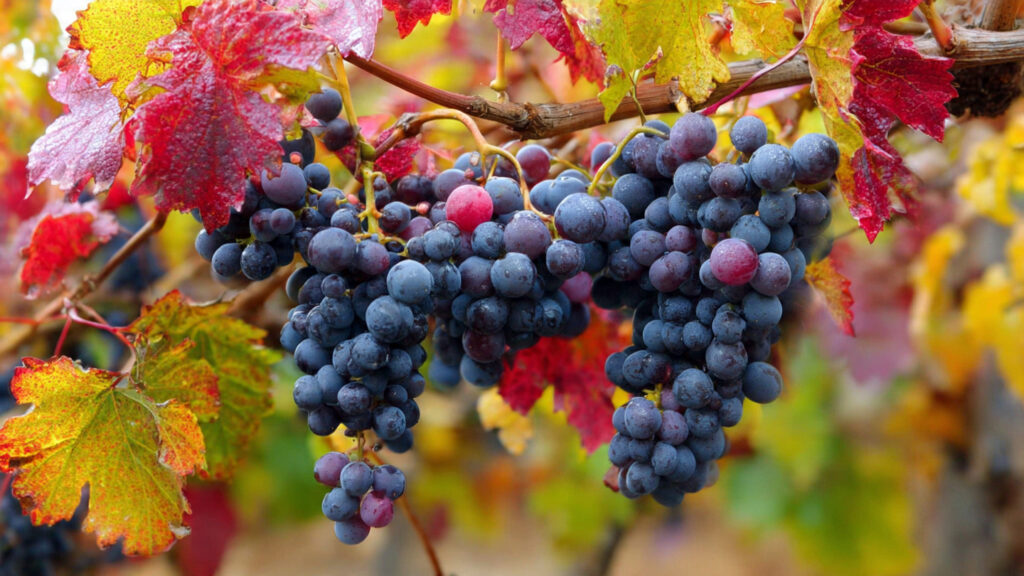
January may seem like a quiet month in the garden, but for fruit growers, it’s the perfect time to prune certain trees and vines. Winter pruning encourages healthy growth, improves fruit quality, and sets the stage for a productive growing season. With trees dormant and fewer leaves to obstruct your view, you can clearly see the structure of your plants, making it easier to remove dead or unproductive branches.
In this guide, we’ll explore seven fruit trees and vines you should prune in January, why pruning is essential, and practical tips for doing it correctly. Following these strategies will ensure a vibrant, fruitful garden when spring arrives.
Why Prune Fruit Trees and Vines in January?
Pruning during dormancy—when the tree or vine is leafless and growth slows—offers several advantages:
- Better Visibility: Without leaves, it’s easier to see the framework of branches and identify which ones to remove.
- Reduced Disease Risk: Many fungal infections spread through open wounds in warm, wet conditions. Pruning in winter minimizes exposure.
- Stronger Growth: Removing weak, overcrowded, or dead branches redirects the plant’s energy to producing fruit and healthy new growth.
- Improved Airflow and Sunlight: Properly pruned trees allow sunlight to reach all branches and improve airflow, reducing the likelihood of pests and disease.
Timing is critical: pruning too early in fall can stimulate unwanted growth, while pruning too late in spring may remove potential fruit buds. January is ideal for most dormant fruiting plants.
1. Apple Trees
Apple trees benefit from annual winter pruning to maintain shape, improve air circulation, and stimulate fruiting.
Pruning Tips:
- Remove dead, diseased, or crossing branches first.
- Cut back last year’s growth to encourage new spurs for fruit production.
- Open up the center of the tree to improve sunlight penetration.
- Use sharp, clean tools to make clean cuts and reduce infection risk.
Apple varieties vary in growth habits, so adjust pruning intensity based on whether your tree is dwarf, semi-dwarf, or standard. Properly pruned apple trees produce larger, sweeter fruit.
2. Pear Trees
Like apples, pears benefit from structural pruning during dormancy. Pruning in January helps reduce the risk of fungal diseases like fire blight and promotes strong branching for fruiting.
Pruning Tips:
- Focus on removing crowded branches and low-hanging limbs.
- Shorten vigorous upright shoots to maintain a balanced shape.
- Maintain an open-center structure to allow airflow and sunlight.
- Avoid heavy pruning on young trees to prevent stress.
Winter pruning ensures pears develop well-spaced branches, supporting fruit that ripens evenly and maintains excellent flavor.
3. Peach Trees
Peach trees require regular pruning to prevent overcrowding and disease. Dormant pruning in January encourages new growth and helps maintain the tree’s vase-like shape.
Pruning Tips:
- Remove weak, crossing, or inward-growing branches.
- Cut back one-year-old shoots to encourage lateral growth.
- Thin out dense areas to reduce disease risk and improve light exposure.
- Shorten the previous season’s growth to stimulate fruiting wood.
Pruning peaches in January helps create healthy, productive trees that yield abundant, juicy fruit.
4. Plum Trees
Plum trees, especially European varieties, respond well to winter pruning. It improves tree structure, enhances fruit quality, and reduces the risk of diseases like brown rot.
Pruning Tips:
➡️ How to Grow Malabar Spinach from Cuttings for Fast, Easy Greens
➡️ How to Grow Super Delicious Cabbage at Home Without a Garden
➡️ How to Grow Bean Sprouts at Home in Plastic Bottles Easily (Step‑by‑Step Guide)
➡️ Why is Your Lemon Tree Blooming in the Heart of Winter?
➡️ Why Should Your Garden Have a Dedicated Pollinator Highway?
➡️ Why Do Your Fruit Trees Need a Winter Wash to Thrive in Spring?
➡️ How Can Rice Water Transform Your Fruits into Sweeter Delights?
➡️ Jumpstart Your Winter Garden: Seed Starting Under Lights
- Remove dead, damaged, or diseased branches first.
- Thin crowded branches to improve airflow.
- Cut back long, unproductive shoots to stimulate fruiting spurs.
- Avoid pruning excessively young trees, as it may stunt growth.
A well-pruned plum tree produces larger, sweeter fruit and is easier to harvest.
5. Grapevines
Vines require pruning to maintain vigor and fruit production. January pruning of grapevines removes unproductive canes and prepares the vine for the spring growing season.
Pruning Tips:
- Identify one-year-old canes, which will bear fruit, and retain them.
- Remove older, unproductive canes to redirect energy to new shoots.
- Maintain a balanced structure by trimming lateral growth.
- Cut at a 45-degree angle to prevent water from collecting on the cut.
Proper grapevine pruning enhances fruit size, sugar content, and airflow, reducing fungal risks.
6. Blueberries
Blueberries benefit from pruning to remove old canes and encourage new growth for maximum fruit yield. January is ideal because the plants are dormant.
Pruning Tips:
- Remove any dead, weak, or diseased canes at the base.
- Thin older canes to make room for new, productive growth.
- Maintain a vase-like shape with an open center.
- Avoid cutting too many young canes; retain enough for future production.
Regular pruning ensures larger, sweeter berries and keeps plants healthy for years.
7. Fig Trees
Fig trees are tolerant of winter pruning, which improves air circulation, reduces disease risk, and encourages new fruiting wood.
Pruning Tips:
- Remove weak or crossing branches.
- Shorten last year’s growth to stimulate new shoots.
- Maintain a manageable size and shape for easier harvesting.
- Avoid heavy pruning in very cold climates to prevent frost damage.
A properly pruned fig tree produces more abundant, high-quality fruit and remains easier to care for.
General Pruning Guidelines
- Use Clean, Sharp Tools: Pruning saws and secateurs should be sterilized to reduce the risk of disease.
- Remove Dead or Diseased Wood First: Always cut back unhealthy branches before focusing on shape.
- Follow the Tree’s Natural Shape: Avoid forcing a shape; encourage natural branching patterns.
- Avoid Excessive Pruning: Removing too much wood can stress the tree and reduce fruit production.
- Dispose of Cuttings Properly: Don’t leave pruned branches near the garden, as they may harbor pests or diseases.
Following these guidelines ensures healthy regrowth and maximizes fruit quality.
Benefits of Winter Pruning
Pruning in January offers several advantages:
- Disease Prevention: Dormant pruning reduces the spread of pathogens.
- Stronger Structure: Well-spaced branches support more fruit and reduce limb breakage.
- Enhanced Sunlight Exposure: Proper pruning allows light to reach inner branches, improving ripening and sugar content.
- Higher Yields: By removing unproductive wood, trees can direct energy toward fruit production.
Skipping winter pruning can lead to overcrowded branches, poor fruit quality, and increased susceptibility to pests and disease.
Tools Needed for January Pruning
- Pruning shears: For small branches and shoots.
- Loppers: For medium-sized branches.
- Pruning saw: For larger limbs.
- Gloves: Protect hands from thorns or rough bark.
- Disinfectant spray: To sterilize tools between cuts.
Having the right tools makes pruning safer, more precise, and more effective.
Conclusion
January is the ideal month to prune many fruit trees and vines, including apples, pears, peaches, plums, grapes, blueberries, and figs. Winter pruning promotes healthy growth, prevents disease, improves sunlight penetration, and enhances fruit quality. By carefully following pruning techniques and timing, gardeners can ensure a bountiful harvest and maintain the long-term health of their plants.
Incorporating regular winter pruning into your gardening routine transforms dormant trees into thriving, productive plants. With attention to proper technique, structure, and plant-specific needs, January becomes the month that sets the foundation for a successful and fruitful growing season.