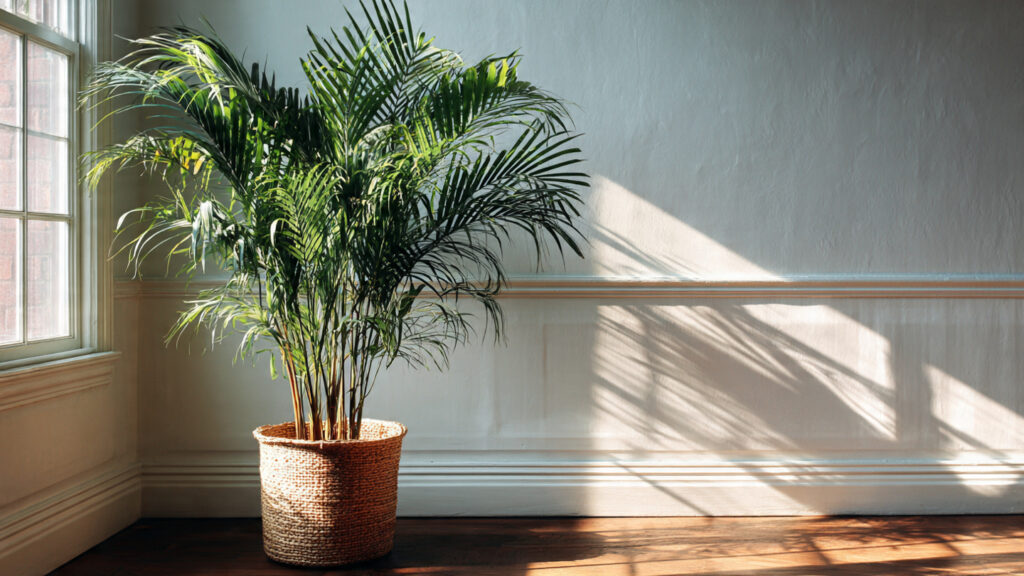
Indoor palms are a popular choice for adding a touch of tropical elegance to homes and offices. With their graceful fronds, lush green foliage, and ability to thrive in indoor environments, palms bring life and style to any space. However, to keep them healthy and thriving, it’s important to understand their specific needs. From watering and light requirements to fertilization and pest control, proper care ensures your indoor palm remains vibrant year-round.
This guide provides a foolproof approach to indoor palm plant care, helping both beginners and seasoned plant enthusiasts grow thriving palms indoors.
Why Indoor Palms Are So Popular
Indoor palms, such as the Areca Palm, Parlor Palm, and Kentia Palm, are favored for several reasons:
- Aesthetic appeal: Their arching fronds and tropical look enhance interior decor.
- Air-purifying qualities: Palms help filter indoor air, removing toxins and improving air quality.
- Low-maintenance options: Many indoor palms are forgiving and adapt well to indoor conditions.
- Versatility: They thrive in pots of varying sizes, making them suitable for corners, tabletops, or large floor spaces.
With these benefits, indoor palms are a practical and stylish choice for plant lovers.
Choosing the Right Palm for Your Space
Different palm species have different care requirements, so selecting the right type for your indoor environment is key.
1. Parlor Palm (Chamaedorea elegans)
- Light: Low to bright indirect light
- Watering: Moderate; allow topsoil to dry slightly between waterings
- Growth: Slow, making it ideal for smaller spaces
2. Areca Palm (Dypsis lutescens)
- Light: Bright indirect light
- Watering: Keep soil evenly moist but not soggy
- Growth: Fast-growing, with multiple stems that create a full, tropical appearance
3. Kentia Palm (Howea forsteriana)
- Light: Low to medium light
- Watering: Moderate; tolerates slight underwatering
- Growth: Slow, elegant fronds ideal for floor displays
Choosing a palm suited to your space, light conditions, and desired growth rate makes care more manageable and reduces stress on the plant.
Light Requirements for Indoor Palms
Light is critical for photosynthesis and healthy growth. While palms can tolerate low light, most prefer bright, indirect sunlight:
- Avoid direct sun: Direct sunlight can scorch fronds, leaving brown tips.
- Low-light tolerance: Parlor Palms and Kentia Palms can survive in low light, but growth may slow.
- Rotating the plant: Turn your palm periodically to ensure even growth and prevent lopsided development.
Proper light exposure promotes vibrant green fronds and reduces the risk of weak or leggy growth.
Watering Your Indoor Palm
Watering is one of the most common areas where palm owners struggle. Overwatering can lead to root rot, while underwatering causes leaf browning.
Watering Tips
- Check the soil: Allow the top 1–2 inches of soil to dry before watering again.
- Consistency: Palms prefer consistent moisture; avoid letting them dry out completely.
- Drainage: Always use pots with drainage holes to prevent water accumulation.
- Humidity: Many palms thrive with higher humidity; mist fronds or use a pebble tray with water.
Signs of improper watering:
- Yellowing fronds: Often indicate overwatering.
- Brown leaf tips: Usually caused by underwatering or low humidity.
Maintaining a proper watering routine ensures strong, healthy fronds and reduces stress on the plant.
Soil and Pot Selection
Choosing the right soil and pot is essential for indoor palm health:
- Soil: Use a well-draining potting mix designed for palms or tropical plants. Mix peat, sand, and perlite for optimal drainage and aeration.
- Pot size: Select a pot slightly larger than the root ball to allow growth. Avoid oversized pots, as excess soil retains water and can cause root rot.
- Repotting: Most palms prefer to be slightly root-bound. Repot only every 2–3 years or when roots outgrow the container.
Well-draining soil combined with proper pot selection supports healthy root systems and overall plant health.
Fertilizing Your Indoor Palm
Palms are slow growers but still benefit from regular feeding during the growing season (spring and summer):
- Type of fertilizer: Use a balanced, slow-release fertilizer specifically formulated for palms. High-potassium fertilizers support strong fronds.
- Frequency: Feed every 6–8 weeks during active growth.
- Avoid over-fertilizing: Excess fertilizer can burn roots and damage leaves.
During fall and winter, reduce or pause fertilization as the plant’s growth slows.
➡️ How to Grow Malabar Spinach from Cuttings for Fast, Easy Greens
➡️ How to Grow Super Delicious Cabbage at Home Without a Garden
➡️ How to Grow Bean Sprouts at Home in Plastic Bottles Easily (Step‑by‑Step Guide)
➡️ Why is Your Lemon Tree Blooming in the Heart of Winter?
➡️ Why Should Your Garden Have a Dedicated Pollinator Highway?
➡️ Why Do Your Fruit Trees Need a Winter Wash to Thrive in Spring?
➡️ How Can Rice Water Transform Your Fruits into Sweeter Delights?
➡️ Jumpstart Your Winter Garden: Seed Starting Under Lights
Pruning and Maintenance
Pruning helps your palm maintain its shape, encourages new growth, and removes damaged foliage:
- Remove dead or yellow fronds: Use clean, sharp scissors to cut at the base.
- Avoid over-pruning: Only remove fronds that are fully brown or damaged. Green fronds are essential for photosynthesis.
- Dusting fronds: Gently wipe leaves with a damp cloth to remove dust, helping the plant breathe and absorb light efficiently.
Regular maintenance keeps palms attractive and promotes healthy growth.
Pest Management for Indoor Palms
Although generally resilient, indoor palms can occasionally attract pests:
- Common pests: Spider mites, mealybugs, and scale insects.
- Detection: Look for sticky residue, webbing, or small insects on fronds.
- Treatment:
- Wipe affected areas with a damp cloth or mild soap solution.
- Use insecticidal soap or neem oil for persistent infestations.
- Increase humidity, as dry conditions often encourage spider mites.
Early detection and treatment prevent pest infestations from compromising palm health.
Ideal Temperature and Humidity
Indoor palms thrive in temperatures between 65–80°F (18–27°C). Extreme fluctuations or drafts can stress the plant:
- Avoid placing palms near heating vents or cold windows.
- Many tropical palms prefer humidity levels above 50%.
- Grouping plants together or using a humidifier can help maintain ideal moisture in the air.
Proper temperature and humidity mimic the plant’s natural environment, promoting lush foliage and growth.
Common Problems and How to Fix Them
- Yellow Leaves – Usually due to overwatering or nutrient deficiency. Adjust watering and consider fertilizing.
- Brown Leaf Tips – Caused by underwatering, low humidity, or salt buildup in soil. Trim tips and adjust care.
- Drooping Fronds – Can indicate under-watering or insufficient light. Check soil moisture and light exposure.
- Slow Growth – May result from compact soil, inadequate light, or lack of nutrients. Repot and adjust care.
Addressing issues promptly keeps your palm healthy and prevents long-term damage.
Positioning Your Palm Indoors
Strategically placing your indoor palm improves both health and aesthetics:
- Bright corners: Near north or east-facing windows for indirect light.
- Avoid direct sunlight: Prevent leaf scorching from intense afternoon sun.
- Showcase as a focal point: Larger palms like Kentia or Areca add drama and height to living rooms or entryways.
Proper placement ensures your palm grows strong while complementing your interior decor.
Creating a Routine Care Schedule
Consistency is key for indoor palms:
- Weekly: Check soil moisture, inspect fronds, dust leaves.
- Monthly: Fertilize during growing season, check for pests.
- Every 2–3 years: Repot if roots outgrow the container.
A regular schedule keeps your palm healthy, vibrant, and free from preventable issues.
Final Thoughts
Indoor palms are elegant, versatile, and low-maintenance plants that enhance any living space. With proper care, they can thrive for many years, offering lush greenery and a touch of tropical paradise indoors. Key elements of successful palm care include:
- Providing adequate light without direct sun exposure
- Maintaining consistent watering and humidity
- Using well-draining soil and appropriately sized pots
- Fertilizing during the growing season
- Regularly pruning and inspecting for pests
By following this foolproof guide, even novice plant owners can enjoy thriving indoor palms that bring beauty, freshness, and serenity to their homes. With attention, care, and patience, your indoor palm can become a centerpiece that uplifts your space year-round.