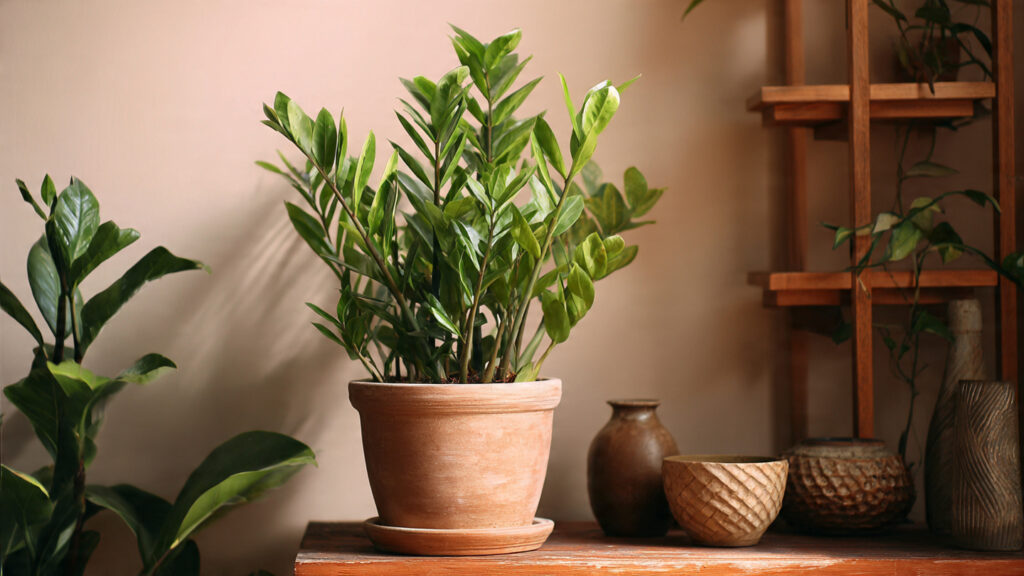
The ZZ plant (Zamioculcas zamiifolia) has become a favorite among indoor plant enthusiasts, and for good reason. With its glossy, dark green leaves and hardy nature, it is the perfect combination of elegance and low-maintenance charm. Whether you are a beginner gardener or a seasoned plant parent, learning how to care for a ZZ plant ensures it not only survives but truly thrives indoors.
Why the ZZ Plant is So Popular
There are several reasons the ZZ plant has gained widespread popularity:
- Low Maintenance: ZZ plants can survive in low-light conditions and tolerate irregular watering.
- Air-Purifying Qualities: Like many indoor plants, ZZ plants help improve indoor air quality by removing toxins.
- Aesthetic Appeal: Its waxy, symmetrical leaves create a striking presence in living rooms, offices, or hallways.
- Resilient Nature: It’s highly adaptable to indoor environments, making it ideal for homes and offices alike.
Despite its reputation as a tough plant, providing the right care will allow your ZZ plant to flourish, produce new growth, and remain vibrant for years.
Choosing the Right Spot for Your ZZ Plant
While ZZ plants are tolerant of low light, their growth improves with bright, indirect sunlight. Here are some placement tips:
- Bright, Indirect Light: Position the plant near a window with filtered sunlight. Avoid harsh, direct sunlight, which can scorch the leaves.
- Low-Light Areas: ZZ plants can survive in low-light corners, offices, or bedrooms, though growth may be slower.
- Avoid Drafts: Keep your plant away from cold drafts or air conditioning vents, as sudden temperature changes can stress the plant.
Finding the right spot ensures your ZZ plant remains healthy and lush, maintaining its signature glossy foliage.
Potting and Soil Requirements
ZZ plants are root hardy but require well-draining soil to prevent root rot.
- Pot Selection: Choose a pot with drainage holes to allow excess water to escape. Avoid overly deep pots that retain moisture.
- Soil Mix: A mix of cactus soil or standard potting soil combined with sand or perlite works best. This ensures proper drainage while retaining enough moisture for the plant.
- Repotting: ZZ plants grow slowly and do not need frequent repotting. Every 2–3 years, repot into a slightly larger container to accommodate growth.
Well-chosen soil and a suitable pot allow roots to thrive, promoting overall plant health.
Watering Tips for a Thriving ZZ Plant
Watering is one of the most critical aspects of ZZ plant care. Overwatering is the most common cause of problems, including root rot. Follow these guidelines:
- Let Soil Dry Out: Allow the top 1–2 inches of soil to dry before watering.
- Avoid Waterlogging: Ensure excess water drains freely. Never let the plant sit in standing water.
- Seasonal Adjustments: Water less frequently during winter when growth slows, and more regularly during warmer months.
Proper watering ensures your ZZ plant maintains its lush, vibrant leaves without the risk of damage.
Fertilizing for Growth
ZZ plants are slow-growing but benefit from occasional fertilization:
- Type of Fertilizer: Use a balanced, water-soluble fertilizer (like 10-10-10) diluted to half-strength.
- Frequency: Fertilize once every 4–6 weeks during the growing season (spring through summer). Avoid fertilizing in fall and winter.
- Micronutrients: Ensure the fertilizer includes essential micronutrients for strong stems and shiny leaves.
Fertilization encourages new growth, enhances leaf color, and helps the plant thrive indoors.
Pruning and Maintenance
Although ZZ plants require minimal pruning, some basic care can help maintain shape and vigor:
- Remove Yellow Leaves: Cut off any yellow or damaged leaves at the base to improve overall appearance.
- Encourage New Growth: Regularly inspect the plant for growth points and ensure there’s enough space for stems to expand.
- Cleaning the Leaves: Wipe the leaves occasionally with a damp cloth to remove dust and enhance photosynthesis.
These small maintenance steps ensure your ZZ plant remains a beautiful focal point in any indoor space.
Propagation Methods
Propagating ZZ plants allows you to create new plants for your home or to share with friends. There are several effective methods:
- Leaf Cuttings: Cut a healthy leaf at the base and place it in water or soil. Roots will develop slowly, eventually producing a new plant.
- Division: When repotting, gently separate rhizomes (underground stems) and plant them individually.
- Stem Cuttings: Cut a full stem and place it in well-draining soil to encourage root growth.
Propagation is slow but rewarding, allowing you to expand your indoor garden gradually.
➡️ How to Grow Malabar Spinach from Cuttings for Fast, Easy Greens
➡️ How to Grow Super Delicious Cabbage at Home Without a Garden
➡️ How to Grow Bean Sprouts at Home in Plastic Bottles Easily (Step‑by‑Step Guide)
➡️ Why is Your Lemon Tree Blooming in the Heart of Winter?
➡️ Why Should Your Garden Have a Dedicated Pollinator Highway?
➡️ Why Do Your Fruit Trees Need a Winter Wash to Thrive in Spring?
➡️ How Can Rice Water Transform Your Fruits into Sweeter Delights?
➡️ Jumpstart Your Winter Garden: Seed Starting Under Lights
Common Challenges and How to Solve Them
While ZZ plants are hardy, they can face a few issues:
- Yellowing Leaves: Often a sign of overwatering or poor drainage. Adjust watering and check pot drainage.
- Pests: Rare but possible; spider mites or mealybugs can appear. Treat with mild insecticidal soap or neem oil.
- Slow Growth: May result from low light or nutrient deficiency. Adjust lighting and fertilization accordingly.
By recognizing and addressing these challenges early, your ZZ plant can maintain optimal health and beauty.
Enhancing Indoor Environments with ZZ Plants
Beyond aesthetics and air purification, ZZ plants bring psychological and environmental benefits to indoor spaces:
- Stress Reduction: Caring for plants has been shown to reduce stress and improve focus.
- Air Quality: ZZ plants can help remove toxins like xylene, toluene, and benzene from the air.
- Decor Appeal: Its dark green, waxy foliage complements modern and minimalist interiors, adding a touch of elegance to any room.
Whether placed in your living room, office, or bedroom, ZZ plants elevate indoor spaces both visually and functionally.
Seasonal Care for ZZ Plants
ZZ plants are relatively low-maintenance year-round, but some seasonal adjustments improve their overall well-being:
- Spring & Summer: Encourage growth with regular watering and fertilization. Position in bright, indirect sunlight.
- Fall & Winter: Reduce watering and avoid fertilization. Ensure the plant is not exposed to cold drafts or sudden temperature changes.
Seasonal adjustments help maintain healthy growth cycles and prevent stress-related issues.
Conclusion: Growing a Thriving ZZ Plant Indoors
The ZZ plant is a symbol of resilience, beauty, and indoor greenery, offering an unmatched combination of elegance and low maintenance. With the right care—choosing a suitable spot, using well-draining soil, proper watering, occasional fertilization, and light pruning—you can enjoy a thriving indoor plant that enhances your home environment.
By understanding the plant’s needs and maintaining consistent care, your ZZ plant can produce glossy leaves, develop strong stems, and become a centerpiece in your home or office. Whether you’re looking to improve indoor air quality, reduce stress, or simply enjoy a beautiful plant, mastering ZZ plant care ensures that this popular plant not only survives but thrives indoors.
Invest in your plant, give it attention, and watch as your ZZ plant becomes a lush, vibrant, and long-lasting companion for your indoor space.