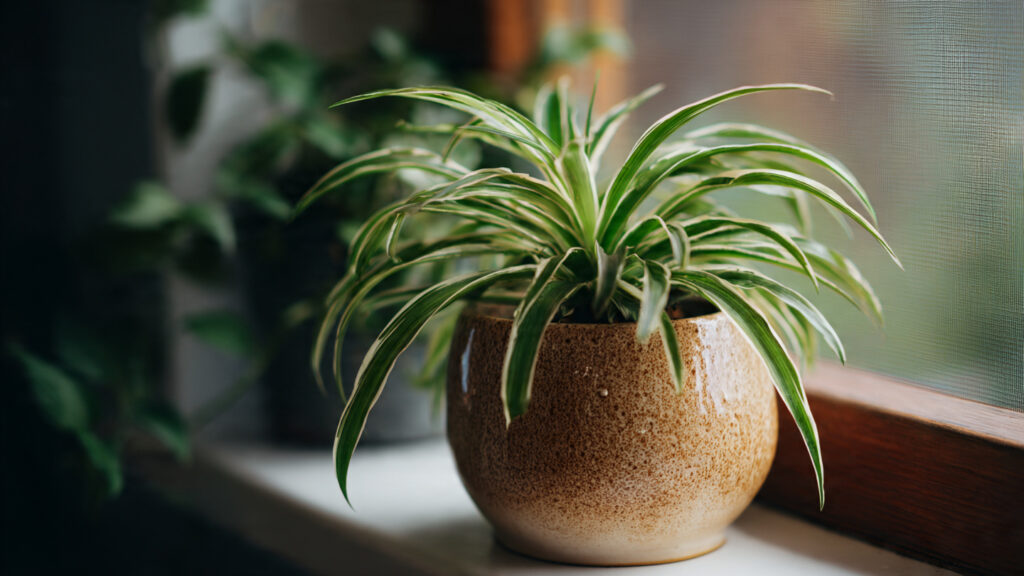
Spider plants (Chlorophytum comosum) are one of the most popular houseplants in the world—and for good reason. With their graceful arching leaves, fast growth, and ability to survive even beginner mistakes, they’re the perfect plant for homes, offices, and apartments.
But even though spider plants are easygoing, watering them correctly is the secret to keeping them lush, green, and full of life. Too much water can lead to root rot, while too little can cause brown tips and drooping leaves.
So the big question is: How often should you water a spider plant?
Let’s break it down in a simple, stress-free way, along with 5 easy tips that will help your spider plant thrive all year long.
How Often Should You Water a Spider Plant?
In general, spider plants need watering about:
- Once a week in spring and summer
- Every 2–3 weeks in fall and winter
However, the exact watering schedule depends on several factors, including temperature, humidity, pot size, and light exposure.
Spider plants prefer soil that stays lightly moist but never soggy. They don’t like sitting in wet soil for long periods, but they also don’t want to completely dry out for too long.
A good rule of thumb is:
✅ Water when the top 1–2 inches of soil feel dry.
Now let’s explore the best ways to get watering just right.
5 Easy Tips for a Healthy, Happy Spider Plant
Tip 1: Check the Soil Before Watering
The biggest mistake plant owners make is watering on a strict schedule without checking the soil first.
Spider plants don’t need water just because it’s “watering day.” They need water when the soil tells you it’s time.
How to check:
- Stick your finger into the soil about 1–2 inches deep.
- If it feels dry, it’s time to water.
- If it still feels damp, wait a few more days.
This simple habit prevents overwatering and keeps your plant’s roots healthy.
Pro tip: In warm months, the soil dries faster. In cooler months, it stays wet longer.
Tip 2: Water Thoroughly, Not Lightly
When you do water your spider plant, don’t just sprinkle a little on top. Spider plants prefer a deep watering that reaches all the roots.
➡️ How to Grow Malabar Spinach from Cuttings for Fast, Easy Greens
➡️ How to Grow Super Delicious Cabbage at Home Without a Garden
➡️ How to Grow Bean Sprouts at Home in Plastic Bottles Easily (Step‑by‑Step Guide)
➡️ Why is Your Lemon Tree Blooming in the Heart of Winter?
➡️ Why Should Your Garden Have a Dedicated Pollinator Highway?
➡️ Why Do Your Fruit Trees Need a Winter Wash to Thrive in Spring?
➡️ How Can Rice Water Transform Your Fruits into Sweeter Delights?
➡️ Jumpstart Your Winter Garden: Seed Starting Under Lights
The best method:
- Pour water slowly into the pot.
- Keep watering until it drains out the bottom.
- Let the excess water fully drain away.
This ensures the roots get proper hydration while preventing water buildup.
🚫 Never let the pot sit in a saucer full of water for hours—this can lead to root rot.
Tip 3: Adjust Watering Based on the Season
Spider plants grow actively in spring and summer, meaning they drink more water during these months.
Seasonal watering guide:
Spring & Summer
- Water about once a week
- Soil dries out faster due to heat and sunlight
Fall & Winter
- Water every 2–3 weeks
- Growth slows down, so the plant needs less
During winter, overwatering is one of the most common causes of spider plant problems, so always check the soil first.
Tip 4: Use the Right Type of Water
Spider plants are sensitive to chemicals often found in tap water, especially fluoride and chlorine. These can cause the leaf tips to turn brown.
Best water options:
- Filtered water
- Distilled water
- Rainwater (if available)
If you only have tap water, let it sit out overnight before using it. This helps some chemicals evaporate.
🌱 Healthier water = greener leaves and fewer brown tips.
Tip 5: Watch for Signs of Overwatering or Underwatering
Your spider plant communicates through its leaves. Learning the warning signs helps you fix watering issues quickly.
Signs of Overwatering
- Yellowing leaves
- Soft, mushy stems
- Foul smell from soil
- Root rot
- Drooping despite wet soil
Solution: Let the soil dry out completely before watering again. Consider repotting if rot has started.
Signs of Underwatering
- Brown leaf tips
- Crispy edges
- Leaves curling inward
- Slow growth
- Soil pulling away from pot edges
Solution: Water deeply and increase frequency slightly, especially in warm weather.
Extra Watering Tips for Best Results
To keep your spider plant thriving, here are a few bonus care tricks:
Choose a Pot With Drainage Holes
Drainage is essential. Spider plants hate sitting in soggy soil.
Use Well-Draining Soil
A mix designed for houseplants with added perlite works perfectly.
Humidity Helps
Spider plants enjoy moderate humidity. Dry air can cause brown tips.
Mist occasionally or place the pot near a humidifier if needed.
Frequently Asked Questions
Can spider plants go without water for a long time?
Yes, spider plants are drought-tolerant and can survive missed watering. But for best growth, don’t let them dry out too often.
Should I water spider plants from the bottom?
Bottom watering can work well occasionally, especially if the soil becomes dry and compact. Just don’t leave the pot soaking too long.
Why does my spider plant have brown tips even with watering?
Brown tips are often caused by:
- Tap water chemicals
- Low humidity
- Too much fertilizer
- Inconsistent watering
Switching to filtered water usually helps quickly.
Final Thoughts: The Perfect Spider Plant Watering Routine
Spider plants are forgiving, beautiful, and incredibly rewarding to grow. Once you understand their watering needs, they’ll thrive for years and even produce baby “spiderettes” to share.
Quick recap:
✅ Water when the top soil is dry
✅ Usually once a week in summer
✅ Every 2–3 weeks in winter
✅ Use filtered or rainwater
✅ Avoid soggy soil and watch leaf signals
With these 5 easy tips, your spider plant will stay healthy, vibrant, and full of fresh green growth.