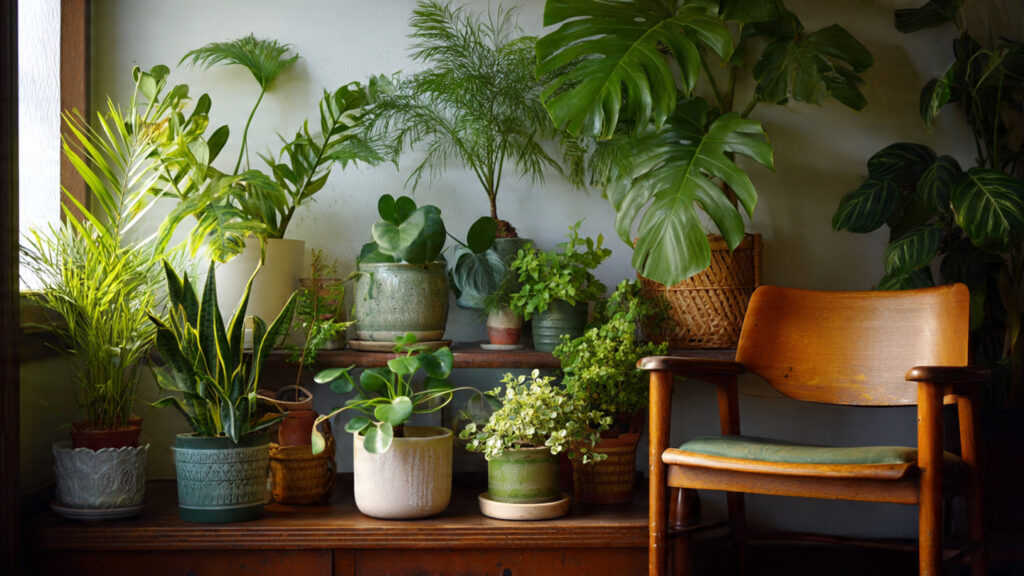
We’ve all been there. Life gets busy, schedules pile up, and suddenly you notice your once-lush houseplant looking droopy, dry, and… honestly, a little defeated. Forgetting to water your plants doesn’t make you a bad plant parent—it simply makes you human.
The good news? Most houseplants are far more resilient than they look. With the right steps and a little patience, you can often revive even severely dehydrated plants and help them bounce back stronger than before.
This expert guide will walk you through exactly how to rescue thirsty houseplants, prevent long-term damage, and build healthier watering habits going forward.
Understanding What Happens When Plants Dry Out
When a houseplant goes too long without water, it experiences drought stress. Water is essential for:
- Transporting nutrients through the plant
- Keeping leaves firm and upright
- Supporting photosynthesis
- Maintaining healthy root function
Without enough moisture, plants begin conserving energy. Leaves droop, growth slows, and in extreme cases, roots can dry out completely.
But dehydration doesn’t always mean death—it means your plant is asking for help.
Step 1: Assess the Damage Before You Water
Before rushing to the watering can, take a moment to evaluate your plant’s condition. Experts recommend checking:
Leaves
- Are they drooping or curling?
- Are they crispy and brown?
- Are some leaves still green?
Green leaves are a strong sign the plant is still alive.
Soil
- Is it pulling away from the edges of the pot?
- Is it bone dry all the way through?
- Does it feel hard and compacted?
Stems
Gently bend a stem. If it’s still flexible, recovery is possible. If it snaps easily, parts of the plant may be dead.
Step 2: Water Slowly—Don’t Flood the Plant
One of the biggest mistakes people make is overcompensating by drowning a dry plant.
When soil becomes extremely dry, it can repel water rather than absorb it properly. Flooding the pot may lead to root rot instead of recovery.
Expert Tip: Rehydrate Gradually
- Water slowly and evenly
- Let the soil absorb moisture before adding more
- Avoid leaving the pot sitting in standing water for hours
If water runs straight through the pot, the soil may need deeper rehydration.
Step 3: Try the Bottom Watering Method
For severely dried-out plants, bottom watering is one of the most effective revival techniques.
How to Bottom Water
- Fill a sink or basin with 2–3 inches of room-temperature water
- Place the pot inside
- Let it soak for 20–45 minutes
- Remove and allow excess water to drain fully
This method encourages roots to drink from below and ensures the soil rehydrates evenly.
Step 4: Check for Root Health
If your plant doesn’t improve after watering, the roots may be too damaged.
➡️ How to Grow Malabar Spinach from Cuttings for Fast, Easy Greens
➡️ How to Grow Super Delicious Cabbage at Home Without a Garden
➡️ How to Grow Bean Sprouts at Home in Plastic Bottles Easily (Step‑by‑Step Guide)
➡️ Why is Your Lemon Tree Blooming in the Heart of Winter?
➡️ Why Should Your Garden Have a Dedicated Pollinator Highway?
➡️ Why Do Your Fruit Trees Need a Winter Wash to Thrive in Spring?
➡️ How Can Rice Water Transform Your Fruits into Sweeter Delights?
➡️ Jumpstart Your Winter Garden: Seed Starting Under Lights
Carefully slide the plant out of its pot and inspect the roots:
Healthy Roots Look Like
- White or light tan
- Firm and flexible
Damaged Roots Look Like
- Brown or black
- Dry, brittle, or mushy
If roots are crispy, trim the dead ones with clean scissors. This helps the plant redirect energy toward new growth.
Step 5: Remove Dead or Crispy Leaves
Once dehydration sets in, some leaves won’t recover. Experts recommend pruning them away.
Why This Helps
- Reduces stress on the plant
- Prevents pests and mold
- Encourages fresh new growth
Trim only the leaves that are completely brown or dead. If a leaf is still partially green, leave it for now.
Step 6: Increase Humidity for Faster Recovery
Dehydrated plants often struggle in dry indoor air, especially during winter when heating systems lower humidity.
Boosting moisture in the air helps plants recover faster.
Simple Ways to Increase Humidity
- Place a humidifier nearby
- Group plants together
- Set the pot on a pebble tray with water
- Mist lightly (only for humidity-loving plants like ferns)
Humidity gives stressed leaves relief while roots regain strength.
Step 7: Move the Plant Out of Direct Sunlight
A dehydrated plant in bright direct sun is like a sunburnt person without water—it’s too much stress.
During recovery:
- Place the plant in bright, indirect light
- Avoid harsh afternoon sun
- Keep it away from heaters or drafts
Once the plant perks up, you can gradually return it to its normal lighting spot.
Step 8: Don’t Fertilize Right Away
It might seem helpful to “feed” a struggling plant, but fertilizer can actually harm a dehydrated root system.
Expert Advice
Wait at least 3–4 weeks after recovery before fertilizing.
Dehydrated roots are sensitive, and fertilizer salts can burn them further. Focus on water and stability first.
Step 9: Repot if the Soil Is Too Dry or Compacted
Sometimes, old potting mix becomes so dry that it won’t absorb water properly again.
Signs you need fresh soil:
- Water runs through instantly
- Soil feels hard like a brick
- Roots are crowded and stressed
Repotting into fresh, airy potting mix can give your plant a clean restart.
Choose a pot with good drainage and avoid sizing up too dramatically.
Step 10: Be Patient—Recovery Takes Time
Some plants perk up within hours. Others take weeks.
Recovery Timeline
- Drooping plants may improve in 24–48 hours
- Leaf regrowth may take 2–6 weeks
- Severely stressed plants may need months
Don’t give up too soon. If stems remain green and roots are alive, your plant still has hope.
Best Plants That Usually Bounce Back Easily
Certain houseplants are naturally drought-tolerant and recover well after missed watering:
- Snake plant
- ZZ plant
- Pothos
- Spider plant
- Peace lily (dramatic but resilient!)
- Jade plant
These plants are forgiving and perfect for busy plant owners.
Preventing Future Underwatering
Once your plant is recovering, it’s time to build better habits.
Expert Prevention Tips
- Water on a schedule, but always check soil first
- Use pots with drainage holes
- Choose self-watering planters if you travel often
- Keep plants grouped by watering needs
- Set reminders on your phone
A moisture meter can also help beginners avoid guessing.
When a Plant Can’t Be Saved
Sometimes, despite best efforts, a plant may not recover.
Signs it may be too far gone:
- Stems are completely dry and brittle
- Roots are shriveled beyond repair
- No green tissue remains
If that happens, don’t feel guilty. Plant care is a learning process, and every gardener has losses along the way.
You can always propagate a healthy cutting or start fresh.
Conclusion: Your Houseplant Deserves a Second Chance
Forgetting to water your houseplants can feel discouraging, but it’s not the end of the story. With gentle rehydration, proper care, and patience, most plants can recover beautifully.
By assessing damage, watering correctly, boosting humidity, and avoiding common mistakes like overwatering or fertilizing too soon, you can revive your plants and help them thrive again.
Remember: houseplants are resilient—and so are you as a plant parent.