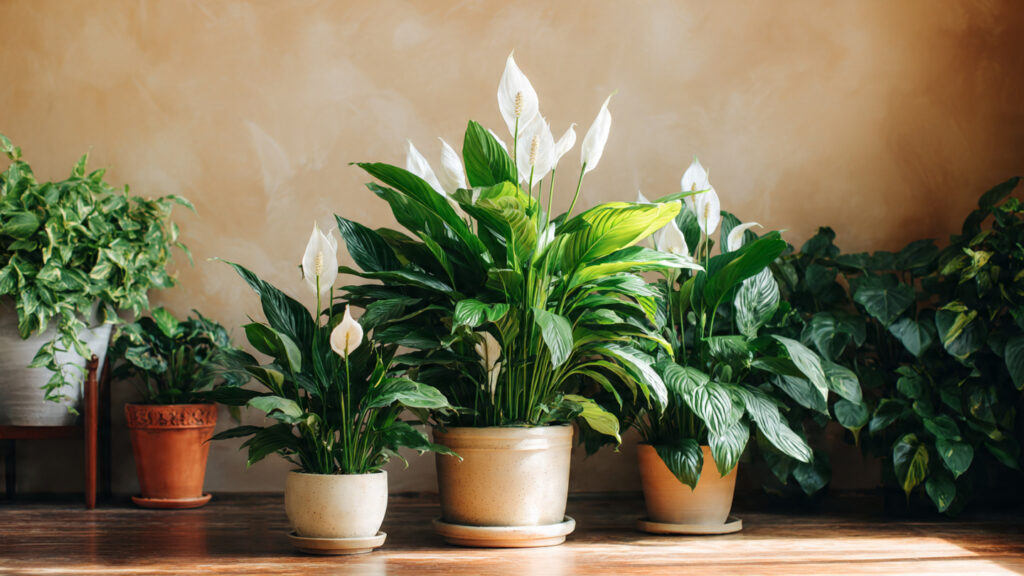
Peace lilies (Spathiphyllum spp.) are beloved indoor plants known for their glossy green leaves and elegant white blooms. They are low-maintenance, thrive in low-light conditions, and purify indoor air, making them a favorite for homes and offices. However, over time, even the most thriving peace lily can outgrow its pot, leading to stunted growth, yellowing leaves, and reduced flowering. Repotting is the key to maintaining a vibrant, healthy plant.
This guide will cover when and how to repot your peace lily, step-by-step instructions, and tips to ensure your plant continues to thrive and flourish.
Signs Your Peace Lily Needs Repotting
Knowing when your peace lily has outgrown its pot is crucial. Here are the key signs to look for:
- Roots growing out of the drainage holes – Indicates the roots are cramped and need more space.
- Plant appears top-heavy – Leaves droop or the plant leans, showing it’s too large for the container.
- Soil dries too quickly – Dense root growth means water drains faster and nutrients deplete quickly.
- Yellowing or wilting leaves – May indicate nutrient deficiency due to overcrowded roots.
- Slow growth or no flowering – Limited root space reduces the plant’s ability to produce blooms.
If you notice any of these signs, it’s time to repot your peace lily to encourage healthier, bigger growth.
Choosing the Right Pot
Selecting the proper pot is essential for successful repotting:
- Size – Choose a container 1–2 inches larger in diameter than the current pot. Too large a pot can cause waterlogging and root rot.
- Material – Terra cotta pots allow better air circulation and prevent overwatering, while plastic pots retain moisture longer.
- Drainage – Ensure the pot has drainage holes to prevent standing water, which can damage roots.
Choosing the right container ensures your peace lily has enough room to grow without stressing the plant.
Selecting the Ideal Soil
Peace lilies thrive in well-draining, nutrient-rich soil. Recommended soil options:
- Commercial potting mix – Lightweight and rich in organic matter.
- Custom mix – Combine equal parts potting soil, peat moss, and perlite for aeration and moisture retention.
- Avoid garden soil – Dense soil can compact and suffocate the roots, leading to poor growth.
A proper soil mix ensures your plant gets air, nutrients, and water efficiently, supporting strong foliage and flowering.
Best Time to Repot Your Peace Lily
Timing is crucial for minimal stress:
- Spring or early summer – This is the active growing season, so the plant recovers faster from repotting.
- Avoid repotting during dormancy – Winter repotting can slow recovery and increase stress.
- Blooming consideration – It’s best to repot after flowering ends to avoid disrupting blooms.
By repotting at the right time, you allow your peace lily to adjust quickly and continue healthy growth.
Step-by-Step Repotting Guide
Repotting a peace lily can be simple if done carefully. Follow these steps:
1. Prepare the New Pot and Soil
- Fill the bottom with a layer of fresh potting mix.
- Ensure the soil is slightly moist but not waterlogged.
2. Remove the Plant from the Old Pot
- Gently slide the plant out, tapping the sides if necessary.
- Avoid pulling aggressively to prevent root damage.
3. Inspect and Trim Roots
- Check for rotted or dead roots, which are brown, mushy, or brittle.
- Trim damaged roots with sterilized scissors to prevent infection.
4. Place the Plant in the New Pot
- Position the peace lily so the top of the root ball is about 1 inch below the rim.
- Fill in gaps with fresh soil, gently pressing to eliminate air pockets.
5. Water Thoroughly
- Water the plant immediately after repotting to help settle the soil and reduce transplant shock.
6. Adjust Placement
- Place the repotted plant in a bright, indirect light location.
- Avoid direct sunlight immediately after repotting to prevent stress.
Caring for Your Peace Lily After Repotting
Post-repot care is crucial for recovery and growth:
- Maintain humidity – Mist leaves or use a humidity tray to reduce stress.
- Avoid fertilizing immediately – Wait 4–6 weeks before applying fertilizer to let roots adjust.
- Monitor water – Keep soil slightly moist but avoid overwatering.
- Watch for stress signs – Wilting or yellowing leaves may appear temporarily; this usually resolves as the plant acclimates.
Proper care ensures your peace lily bounces back quickly and grows stronger in its new home.
Fertilizing After Repotting
Once your peace lily has recovered, fertilization can boost growth and blooms:
- Balanced houseplant fertilizer – Use a 20-20-20 formula diluted to half strength.
- Frequency – Fertilize every 4–6 weeks during the growing season.
- Blooming support – Use bloom-boosting fertilizers occasionally to encourage beautiful white flowers.
Regular, careful fertilization post-repotting ensures your peace lily remains lush, green, and flowering abundantly.
➡️ How to Grow Malabar Spinach from Cuttings for Fast, Easy Greens
➡️ How to Grow Super Delicious Cabbage at Home Without a Garden
➡️ How to Grow Bean Sprouts at Home in Plastic Bottles Easily (Step‑by‑Step Guide)
➡️ Why is Your Lemon Tree Blooming in the Heart of Winter?
➡️ Why Should Your Garden Have a Dedicated Pollinator Highway?
➡️ Why Do Your Fruit Trees Need a Winter Wash to Thrive in Spring?
➡️ How Can Rice Water Transform Your Fruits into Sweeter Delights?
➡️ Jumpstart Your Winter Garden: Seed Starting Under Lights
Common Repotting Mistakes to Avoid
- Choosing a pot that’s too large – Can lead to water retention and root rot.
- Overwatering after repotting – Newly disturbed roots are sensitive to excess water.
- Neglecting root trimming – Dead roots left in the pot can rot and harm healthy roots.
- Repotting at the wrong time – Avoid during dormancy or heavy bloom periods.
- Compressing soil too much – Roots need air; over-packing soil can suffocate them.
Avoiding these mistakes ensures your peace lily thrives after repotting.
Benefits of Repotting
Repotting is more than just providing space:
- Encourages bigger, healthier growth – Roots have more room to expand.
- Promotes stronger blooms – Nutrient-rich fresh soil enhances flowering.
- Prevents root-bound issues – Reduces stress and improves water absorption.
- Improves soil quality – Fresh soil adds nutrients and better aeration.
Regular repotting is essential for maintaining a long-lasting, beautiful peace lily.
Tips for Continuous Health and Growth
- Rotate the pot periodically to ensure even light exposure.
- Remove old leaves to promote new growth.
- Monitor humidity levels – Peace lilies thrive in 50–70% humidity.
- Use proper lighting – Bright, indirect light maximizes leaf and flower development.
- Check for pests – Repotting is a good time to inspect for aphids, spider mites, or mealybugs.
Following these practices helps your peace lily stay healthy, green, and flowering year-round.
Conclusion
A peace lily outgrowing its pot is a sign of thriving growth and vitality. Repotting is essential to maintain plant health, encourage lush foliage, and support continuous blooming. By recognizing the signs of a root-bound plant, selecting the right pot and soil, and following proper repotting and post-care techniques, your peace lily can continue to thrive and grace your home with its glossy leaves and elegant blooms.
Whether you are a beginner or experienced gardener, proper repotting ensures your peace lily remains a vibrant centerpiece, enhancing your indoor space while purifying the air and providing natural beauty. With these tips, your plant will continue to grow bigger, healthier, and bloom beautifully for years to come.