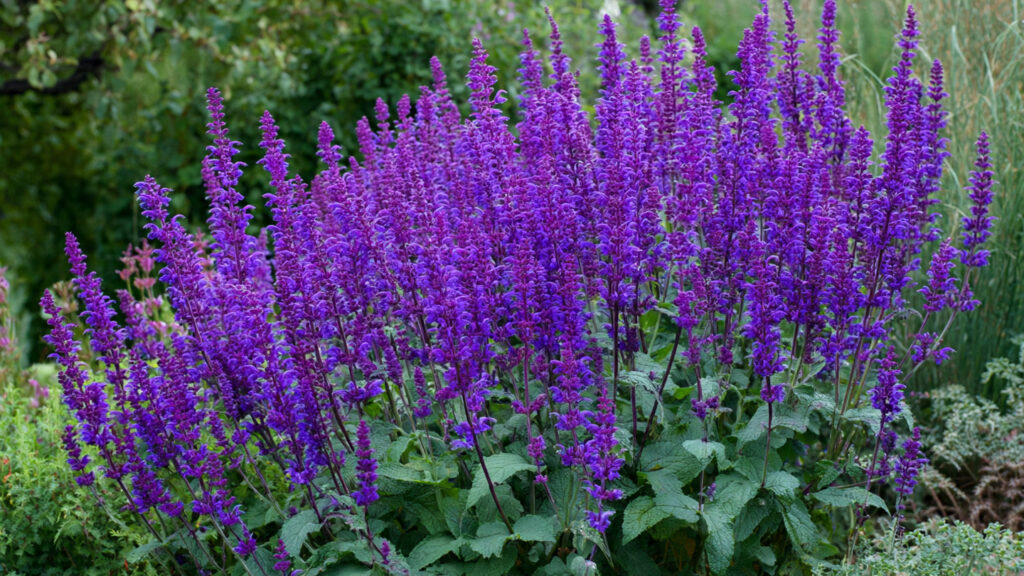
If you want to transform your garden from ordinary to unforgettable, tall perennials are the secret weapon. These long-lived plants return year after year, growing taller and stronger while adding vertical interest, texture, and bold color. Whether you’re designing a cottage garden, a modern landscape, or a wildlife-friendly retreat, tall perennials create structure and drama that smaller plants simply can’t match.
Here are 20 stunning tall perennials that will elevate your garden—literally and visually.
1. Delphinium
Few plants deliver dramatic height like delphiniums. Growing 4–6 feet tall, their spires of blue, purple, pink, or white flowers create a classic cottage-garden look. They prefer cool climates and rich, well-drained soil. Stake them early to protect from wind.
Best for: Back borders and formal garden designs.
2. Hollyhock
Towering up to 8 feet tall, hollyhocks produce large, colorful blooms along tall stems. Though often grown as biennials, many varieties self-seed readily, behaving like perennials in the garden.
Best for: Fences, walls, and rustic gardens.
3. Joe-Pye weed
This native beauty can reach 5–7 feet tall and attracts butterflies with its mauve-pink flower clusters. It thrives in moist soil and full sun.
Best for: Wildlife gardens and rain gardens.
4. Foxglove
With its tall spikes of tubular flowers, foxglove adds elegance and vertical charm. Though technically biennial, it reseeds reliably in many gardens.
Best for: Shaded borders and woodland-style gardens.
5. Russian sage
Airy, lavender-blue flowers on silvery stems grow 3–5 feet tall. Russian sage is drought-tolerant and thrives in hot, sunny spots.
Best for: Modern, low-maintenance landscapes.
6. Oriental lily
Large, fragrant blooms and strong vertical stems make Oriental lilies stand out. Many varieties grow 4–6 feet tall.
Best for: Fragrant gardens and cutting beds.
7. Bee balm
Growing 3–4 feet tall, bee balm produces vibrant red, pink, or purple flowers that attract pollinators. It spreads easily and adds bold summer color.
➡️ How to Grow Malabar Spinach from Cuttings for Fast, Easy Greens
➡️ How to Grow Super Delicious Cabbage at Home Without a Garden
➡️ How to Grow Bean Sprouts at Home in Plastic Bottles Easily (Step‑by‑Step Guide)
➡️ Why is Your Lemon Tree Blooming in the Heart of Winter?
➡️ Why Should Your Garden Have a Dedicated Pollinator Highway?
➡️ Why Do Your Fruit Trees Need a Winter Wash to Thrive in Spring?
➡️ How Can Rice Water Transform Your Fruits into Sweeter Delights?
➡️ Jumpstart Your Winter Garden: Seed Starting Under Lights
Best for: Pollinator gardens.
8. Coneflower
Coneflowers can reach 4 feet tall and bloom for months. Their daisy-like flowers come in purple, pink, white, and even orange tones.
Best for: Drought-tolerant perennial beds.
9. Black-eyed Susan
Bright yellow petals with dark centers make black-eyed Susans cheerful and eye-catching. Taller varieties reach 3–5 feet.
Best for: Naturalized gardens and late-summer color.
10. Globe thistle
With steel-blue spherical flowers and spiny foliage, globe thistle adds texture and height up to 4 feet.
Best for: Architectural and drought-tolerant designs.
11. Garden phlox
This summer-blooming perennial grows 3–4 feet tall with fragrant clusters of pink, purple, white, or red flowers.
Best for: Cottage gardens and borders.
12. False indigo
False indigo reaches 4–5 feet tall with spikes of blue-purple flowers in spring. It’s long-lived and drought-tolerant once established.
Best for: Prairie-style plantings.
13. Hibiscus moscheutos
Also known as hardy hibiscus, this plant produces enormous tropical-looking blooms on stems up to 6 feet tall.
Best for: Bold focal points in sunny gardens.
14. Yarrow
Some taller varieties grow up to 4 feet, producing flat-topped clusters in yellow, pink, red, or white.
Best for: Low-maintenance, drought-resistant gardens.
15. Lupine
Lupines send up tall spikes of colorful flowers in spring. They prefer cooler climates and well-drained soil.
Best for: Cottage and mountain-style gardens.
16. Obedient plant
Reaching 3–5 feet tall, obedient plant produces pink or white flower spikes and spreads easily.
Best for: Filling large spaces quickly.
17. Perennial sunflower
This tall beauty grows 5–7 feet high with bright yellow blooms that light up late summer gardens.
Best for: Naturalized areas and back borders.
18. Astilbe
Some varieties of astilbe grow over 4 feet tall and thrive in shade, producing feathery plumes in pink, red, or white.
Best for: Shady, moist gardens.
19. Canna lily
With tropical foliage and bold flowers, cannas can reach 6 feet or more in warm climates.
Best for: Dramatic summer displays and containers.
20. Goldenrod
Goldenrod grows 3–6 feet tall and produces bright yellow plumes that attract pollinators in late summer and fall.
Best for: Native and wildlife gardens.
How to Design with Tall Perennials
1. Plant in Layers
Place tall perennials at the back of borders or in the center of island beds. Medium-height plants go in front, and low-growing varieties edge the space.
2. Consider Bloom Time
Choose a mix that blooms from spring through fall for continuous color. For example:
- Spring: Lupine, False Indigo
- Summer: Delphinium, Bee Balm, Garden Phlox
- Fall: Goldenrod, Perennial Sunflower
3. Provide Support
Many tall perennials need staking, especially in windy areas. Install supports early so plants grow naturally around them.
4. Mind the Sun
Most tall flowering perennials prefer full sun (6+ hours daily), though plants like astilbe and foxglove tolerate partial shade.
Why Tall Perennials Are Worth It
- Long-lasting investment: Return year after year
- Pollinator-friendly: Many attract bees and butterflies
- Space-enhancing: Make small gardens feel layered and lush
- Low maintenance: Once established, many require minimal care
Tall perennials add movement, color, and presence. Their vertical lines draw the eye upward, making gardens feel larger and more dynamic. By combining a few of these 20 dramatic plants, you can create a vibrant landscape that looks professionally designed — without the annual replanting effort.