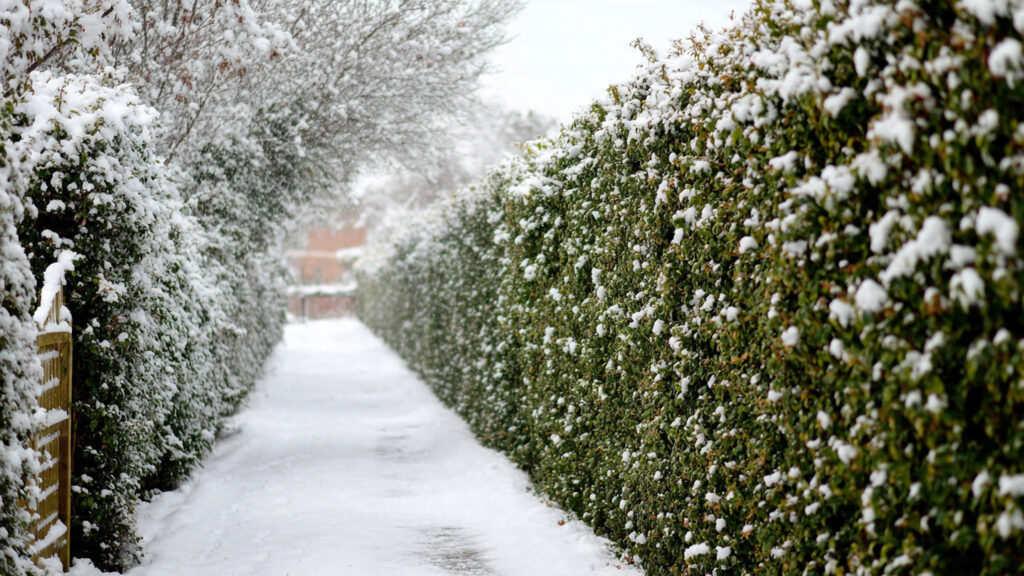
Winter gardens can often feel bare and lifeless, but with the right hedging plants, your outdoor space can stay attractive year-round. Choosing evergreen or winter-interest shrubs ensures your garden maintains color, texture, and structure even when most plants are dormant. In this article, we explore 7 hedge plants that look gorgeous all winter, offering both aesthetic appeal and functional benefits for privacy, wind protection, or garden structure.
1. Boxwood (Buxus spp.)
Boxwood is a classic choice for winter hedges. Its small, glossy, evergreen leaves provide year-round greenery, and its dense growth makes it ideal for formal hedges or topiary.
Why Boxwood Works in Winter:
- Keeps its vibrant green color throughout the cold months.
- Responds well to pruning, allowing you to shape it precisely.
- Provides structure and contrast against leafless trees or shrubs.
Tips for Growing Boxwood:
- Plant in well-drained soil with partial to full sun.
- Avoid heavy pruning in late fall to prevent frost damage.
- Mulch around the base to protect roots from extreme cold.
2. Holly (Ilex spp.)
Holly is another evergreen that shines in winter, particularly the varieties with red berries. These berries add a splash of color that complements the dark green foliage.
Benefits of Holly Hedges:
- Provides winter interest with berries that persist into early spring.
- Offers dense privacy screening.
- Supports wildlife, including birds that feed on the berries.
Growing Tips:
- Most hollies prefer full sun but tolerate partial shade.
- Ensure you have both male and female plants if you want berries.
- Water well during dry periods to keep foliage healthy.
3. Yew (Taxus spp.)
Yews are incredibly versatile evergreen hedges known for their dark green needles and slow growth. They are highly suitable for formal or informal gardens.
Why Yew Is Perfect for Winter:
- Maintains deep green color throughout the season.
- Tolerates heavy pruning, making it perfect for sculpted hedges.
- Resistant to many pests and diseases.
Planting and Care:
- Prefers well-drained soil and partial to full sun.
- Avoid planting in waterlogged areas.
- Prune in late winter or early spring before new growth begins.
4. Privet (Ligustrum spp.)
Privet is a hardy hedge that keeps its leaves in mild winters, and some varieties retain a bit of color even in frost. Its dense growth makes it ideal for privacy hedges.
Winter Appeal:
- Provides dense evergreen coverage.
- Can be shaped into formal hedges or naturalistic borders.
- Fast-growing, making it a good choice if you want a hedge quickly.
Tips for Cultivation:
- Thrives in full sun to partial shade.
- Prune annually to maintain shape and encourage new growth.
- Check local guidelines as some species are considered invasive in certain regions.
5. Laurel (Prunus laurocerasus)
Cherry Laurel is a popular winter hedge with broad, glossy leaves that maintain a lush green look throughout the season. Its dense growth is excellent for privacy.
Winter Benefits:
➡️ How to Grow Malabar Spinach from Cuttings for Fast, Easy Greens
➡️ How to Grow Super Delicious Cabbage at Home Without a Garden
➡️ How to Grow Bean Sprouts at Home in Plastic Bottles Easily (Step‑by‑Step Guide)
➡️ Why is Your Lemon Tree Blooming in the Heart of Winter?
➡️ Why Should Your Garden Have a Dedicated Pollinator Highway?
➡️ Why Do Your Fruit Trees Need a Winter Wash to Thrive in Spring?
➡️ How Can Rice Water Transform Your Fruits into Sweeter Delights?
➡️ Jumpstart Your Winter Garden: Seed Starting Under Lights
- Broad leaves offer a striking visual contrast in winter gardens.
- Dense foliage helps block wind and noise.
- Some varieties produce small, fragrant white flowers in spring.
Planting Advice:
- Plant in well-drained, fertile soil.
- Give plenty of space as laurel can grow large over time.
- Water regularly during dry periods, particularly in winter when soil can dry out.
6. Euonymus (Euonymus japonicus)
Euonymus hedges are evergreen, often variegated, and add color to a winter landscape. Varieties with yellow or cream edges on leaves can brighten up the garden in grey months.
Winter Features:
- Retains leaves throughout winter.
- Variegated forms create visual interest when other plants are bare.
- Adaptable to different soil types and tolerates pruning well.
Growing Tips:
- Plant in full sun to partial shade.
- Regular pruning maintains a neat appearance.
- Protect from extreme frost, especially variegated varieties, to prevent leaf burn.
7. Photinia (Photinia × fraseri ‘Red Robin’)
Red Robin Photinia is famous for its fiery red new growth, which persists through winter in mild climates. Over time, the leaves mature to glossy green, offering dynamic color contrast.
Why Photinia Stands Out:
- Bright red winter foliage provides striking color.
- Evergreen leaves maintain structure and privacy.
- Works well for both formal and informal hedges.
Care Instructions:
- Plant in full sun for the best color.
- Prune lightly after new growth to maintain shape.
- Protect from heavy frost, as young shoots may be damaged.
Tips for Maintaining Winter Hedges
To ensure your winter hedges look their best, consider the following maintenance strategies:
- Mulch Regularly: Mulching retains soil moisture and protects roots from extreme temperatures.
- Water During Dry Spells: Even evergreen hedges need water during winter, especially if rainfall is minimal.
- Prune at the Right Time: Avoid heavy pruning during frost. Late winter or early spring is typically best.
- Fertilize Lightly: Avoid heavy fertilization in late fall. Apply a slow-release, balanced fertilizer in early spring.
- Check for Pests and Disease: Evergreen hedges can still be susceptible to fungal diseases or insects, so monitor regularly.
Why Winter Hedges Matter
Hedges are not only functional—they provide privacy, windbreaks, and noise reduction—but they also contribute to the aesthetic structure of your garden. Winter hedges can:
- Frame garden paths or entrances beautifully.
- Add color and texture when most other plants are dormant.
- Create year-round privacy and protection from cold winds.
By selecting hedges with evergreen or colorful winter foliage, you ensure your outdoor space remains inviting even in the coldest months.
Final Thoughts
Winter doesn’t have to mean a dull garden. With Boxwood, Holly, Yew, Privet, Laurel, Euonymus, and Photinia, you can maintain vibrant, structured, and beautiful hedges all season long. By choosing the right species and providing proper care—including pruning, watering, and protection from harsh weather—you’ll enjoy a garden that’s visually appealing and healthy throughout the year.
Incorporating these winter-ready hedges not only enhances your landscape but also ensures that your garden remains dynamic, colorful, and structured even when other plants are dormant. Investing in the right hedge plants today guarantees a striking and lively winter garden for years to come.