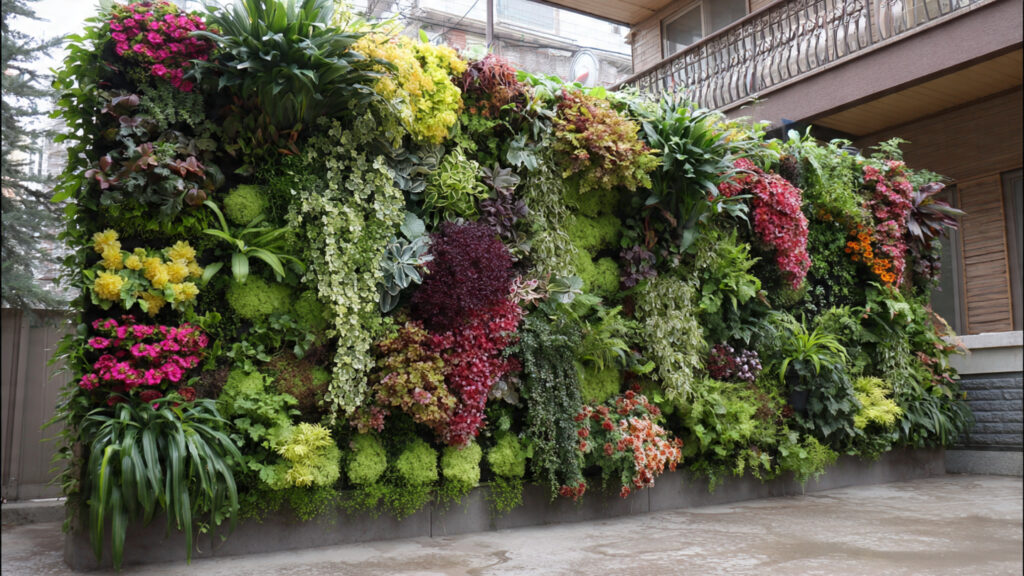
In today’s fast-paced urban life, space is often limited, but that doesn’t mean you can’t bring nature into your home. Vertical gardening has emerged as one of the most innovative solutions for adding greenery, color, and life to even the smallest balconies, terraces, and walls. Among the many methods, creating a flower fence from recycled plastic bottles stands out as an eco-friendly, cost-effective, and visually stunning way to transform your home environment.
This guide will take you through everything you need to know to create a vibrant vertical garden using plastic bottles, from design tips to plant selection and care.
Why Vertical Gardens Are Perfect for Modern Homes
Vertical gardens provide numerous advantages, especially for urban dwellers:
- Space Efficiency: They utilize vertical walls instead of floor space, ideal for small balconies or apartments.
- Aesthetic Appeal: A flower fence can become a striking visual feature, adding color and vibrancy.
- Environmental Benefits: Vertical gardens improve air quality, reduce heat, and promote biodiversity by attracting bees and butterflies.
- Recycling: Using plastic bottles not only reduces waste but also turns trash into a beautiful, functional garden.
Materials You’ll Need
Creating a vertical garden from plastic bottles is simple and inexpensive. Here’s what you’ll need:
- Plastic bottles (1–2 liters work best)
- Strong string, wire, or netting to hang the bottles
- Scissors or a craft knife
- Soil suitable for the plants you’ll grow
- Small gravel or pebbles for drainage
- Hooks or a frame to attach the bottles to a wall or fence
- Optional: Paints or markers to decorate the bottles
Step-by-Step Guide to Making a Flower Fence from Plastic
Step 1: Prepare the Bottles
- Wash the bottles thoroughly to remove any residues.
- Cut a large opening on one side of each bottle where plants will grow.
- Poke small drainage holes at the bottom of the bottles to prevent waterlogging.
Tip: Keep the bottle caps loosely on or punch small holes in them to allow excess water to drain while retaining moisture.
Step 2: Paint or Decorate the Bottles (Optional)
Before hanging, you can paint the bottles in bright colors or patterns. Non-toxic acrylic paint works well. Decorating the bottles adds personality and vibrancy to your flower fence.
Step 3: Attach the Bottles to a Frame
There are multiple ways to arrange your vertical garden:
- String Method: Thread string through the bottles and hang them vertically in rows.
- Wire Grid Method: Use a metal grid attached to the wall and hang bottles in a staggered pattern.
- Direct Wall Mounting: Fix each bottle individually with hooks or brackets.
Ensure the bottles are securely fastened, as they will hold soil and plants and become heavier when watered.
Step 4: Add Soil and Drainage
- Start with a thin layer of small gravel or pebbles at the bottom of each bottle for drainage.
- Fill with lightweight potting soil suitable for the plants you’ve chosen.
- Avoid heavy garden soil as it can make the vertical structure unstable.
Step 5: Plant Selection
The best plants for a vertical flower fence are those that are lightweight, compact, and resilient. Here are some great options:
1. Petunias
- Bright, vibrant blooms that cascade beautifully over bottle edges.
- Thrives in full sunlight and requires regular watering.
2. Marigolds
- Hardy, bright yellow or orange flowers that repel pests.
- Perfect for sunny balconies and terraces.
3. Pansies and Violas
- Small, colorful flowers that thrive in cooler temperatures.
- Great for vertical spaces and smaller bottles.
4. Herbs (Optional)
- Basil, thyme, and parsley can be added to create an edible vertical garden.
- Pollinators like bees are attracted to flowering herbs, enhancing biodiversity.
Step 6: Watering and Care
- Water gently to avoid soil spilling out of the bottles.
- Ensure the vertical garden receives adequate sunlight (6–8 hours for most flowering plants).
- Fertilize with a balanced liquid fertilizer every 2–3 weeks to encourage continuous blooms.
Tip: Vertical gardens dry faster than traditional beds, so check soil moisture daily, especially in summer.
Step 7: Arrangement Tips for Visual Appeal
- Stagger the Bottles: Avoid lining bottles in a straight line. Staggered arrangements look more natural and allow plants to cascade attractively.
- Mix Colors: Alternate plant types and colors for a dynamic, lively display.
- Height Variation: Use shorter plants at the top and cascading varieties at the bottom for a natural waterfall effect.
Benefits of a Flower Fence Beyond Beauty
Vertical gardens made from plastic bottles offer more than aesthetic value:
- Environmental Impact: Recycling bottles reduces plastic waste and promotes sustainable gardening.
- Pollinator Attraction: Flowers attract bees, butterflies, and hummingbirds, supporting local ecosystems.
- Privacy and Shade: A dense vertical garden can act as a living screen, offering privacy or reducing sunlight in certain areas.
- Temperature Regulation: Vertical gardens can cool walls, terraces, or balconies, reducing heat absorption and energy use.
Common Challenges and How to Overcome Them
1. Soil Falling Out
- Solution: Use a mesh lining inside the bottles to hold soil while allowing water drainage.
2. Plants Dying Quickly
- Solution: Choose drought-tolerant and sun-loving varieties. Ensure bottles have drainage holes.
3. Bottles Falling Off the Wall
- Solution: Use strong hooks, brackets, or a sturdy netting system to secure bottles.
4. Limited Space for Roots
- Solution: Use compact, shallow-rooted plants, and refresh soil every 6–12 months.
Creative Variations for Your Flower Fence
- Hanging Spiral: Arrange bottles in a spiral around a central pole for a 3D vertical garden.
- Wall Mosaic: Paint the bottles and arrange them to form a pattern or gradient for artistic impact.
- Herb and Flower Mix: Combine culinary herbs with flowering plants for a functional and aesthetic display.
Conclusion
A vertical garden flower fence made from plastic bottles is a perfect combination of creativity, sustainability, and practicality. It allows urban gardeners to enjoy lush, colorful blooms without taking up precious floor space. Beyond beauty, it supports pollinators, contributes to biodiversity, and turns waste plastic into a functional decorative feature.
By selecting the right plants, arranging bottles thoughtfully, and providing regular care, anyone can transform a dull wall, balcony, or fence into a vibrant, living masterpiece. The best part? It’s affordable, environmentally friendly, and endlessly customizable.
Whether you want a cascading rainbow of petunias, a marigold spectacle, or a herb-rich vertical garden, this project brings life, color, and sustainability into your home garden. With a little effort, your plastic flower fence will become the centerpiece of your outdoor space, delighting pollinators and people alike.
➡️ How to Grow Malabar Spinach from Cuttings for Fast, Easy Greens
➡️ How to Grow Super Delicious Cabbage at Home Without a Garden
➡️ How to Grow Bean Sprouts at Home in Plastic Bottles Easily (Step‑by‑Step Guide)
➡️ Why is Your Lemon Tree Blooming in the Heart of Winter?
➡️ Why Should Your Garden Have a Dedicated Pollinator Highway?
➡️ Why Do Your Fruit Trees Need a Winter Wash to Thrive in Spring?
➡️ How Can Rice Water Transform Your Fruits into Sweeter Delights?
➡️ Jumpstart Your Winter Garden: Seed Starting Under Lights