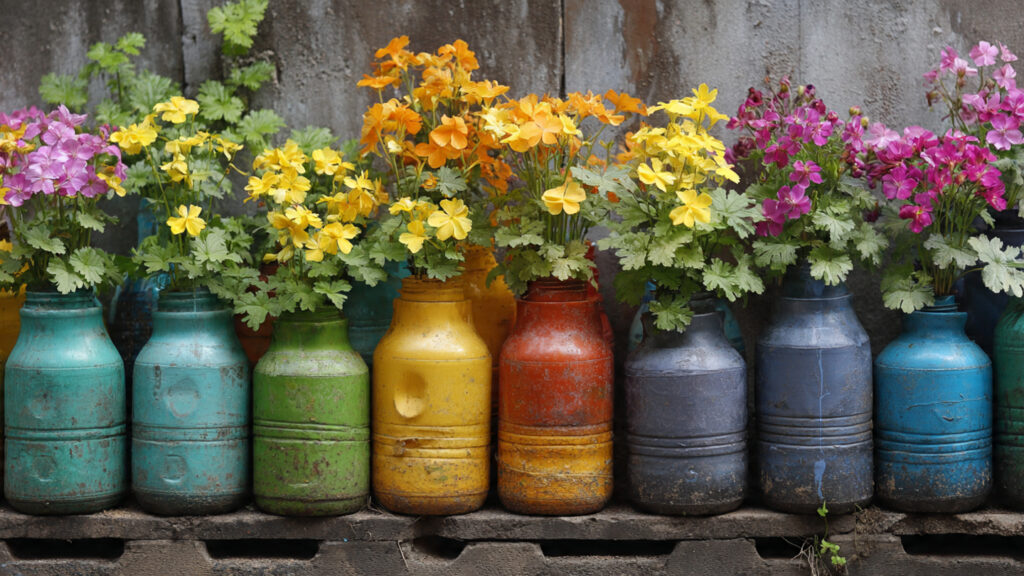
Plastic pollution is one of the biggest environmental challenges of our time. Millions of plastic bottles end up in landfills, rivers, and oceans each year, posing a serious threat to ecosystems and wildlife. But what if these same bottles could be transformed into something beautiful, functional, and eco-friendly?
Recycling plastic bottles into flower pots is not just a practical solution—it’s a creative way to embrace sustainability while giving your home or garden a refreshing green makeover. With a few simple steps, you can turn discarded plastic into planters that are stylish, versatile, and environmentally responsible.
In this article, we’ll explore DIY ideas, step-by-step methods, and the sustainable trends that make recycled plastic pots a must-have for eco-conscious gardeners.
Why Recycle Plastic Bottles for Gardening?
Before diving into DIY projects, it’s worth understanding why recycling plastic bottles for gardening matters:
- Reduce Waste: Plastic bottles take hundreds of years to decompose. Repurposing them reduces landfill accumulation.
- Save Money: Instead of buying expensive planters, you can create functional pots at little to no cost.
- Encourage Creativity: DIY bottle planters allow for customization—shapes, colors, and designs can reflect your personality.
- Promote Sustainability: Reusing plastic reduces the need for new plastic production, which in turn lowers carbon emissions.
- Eco-Friendly Gardening: Lightweight and versatile, plastic pots make container gardening accessible even in small spaces.
By turning trash into treasure, you contribute to a circular economy—where waste is repurposed, not discarded.
Step 1: Collect and Prepare Your Plastic Bottles
Start by gathering bottles of various sizes: water bottles, soda bottles, milk jugs, or juice containers. Each can serve a different purpose:
- Small bottles: Perfect for seedlings or herbs
- Medium bottles: Great for flowers and small houseplants
- Large bottles: Ideal for decorative outdoor planters
Preparation steps:
- Wash thoroughly to remove residues.
- Remove labels for a clean surface. Soak in warm water if needed.
- Dry completely to prevent mold.
This ensures that your pots are hygienic and ready for planting.
Step 2: Cutting and Shaping the Bottles
Plastic bottles can be reshaped in countless ways to create attractive pots:
- Open-top pots: Simply cut the top off to create a classic pot shape.
- Hanging planters: Cut the sides or top, attach string or wire, and hang them.
- Tiered planters: Cut multiple bottles in half and stack them to create a vertical garden.
- Self-watering pots: Use two bottles—one as a reservoir, the other as the planter with a wick.
Tip: Use a sharp utility knife or scissors carefully. Sand any rough edges to avoid cuts and make the pots look polished.
Step 3: Add Drainage for Healthy Plants
Good drainage is crucial to prevent waterlogging and root rot. Plastic bottles don’t have natural drainage, so you’ll need to:
- Poke holes at the bottom using a nail, screwdriver, or heated needle.
- Add a layer of pebbles at the base for extra drainage.
- Consider a self-watering design to reduce watering frequency.
Proper drainage ensures your recycled pots support thriving plants.
Step 4: Decorating Your DIY Plastic Pots
The fun part is making your recycled pots beautiful! With creativity, even a plain bottle can become a striking planter:
- Paint: Use waterproof acrylic paints or spray paints for colorful designs.
- Wrapping: Cover bottles with jute, rope, or fabric for a rustic or chic look.
- Decoupage: Apply decorative paper or napkins with glue to add patterns.
- Stickers and Washi Tape: Quick and easy way to add personality.
- Natural accents: Glue small stones, shells, or twigs to enhance texture.
Decorating transforms ordinary plastic bottles into eye-catching planters that complement your home décor.
Step 5: Choosing Plants for Bottle Planters
Not all plants are ideal for bottle pots, especially small ones. Here’s a guide:
➡️ How to Grow Malabar Spinach from Cuttings for Fast, Easy Greens
➡️ How to Grow Super Delicious Cabbage at Home Without a Garden
➡️ How to Grow Bean Sprouts at Home in Plastic Bottles Easily (Step‑by‑Step Guide)
➡️ Why is Your Lemon Tree Blooming in the Heart of Winter?
➡️ Why Should Your Garden Have a Dedicated Pollinator Highway?
➡️ Why Do Your Fruit Trees Need a Winter Wash to Thrive in Spring?
➡️ How Can Rice Water Transform Your Fruits into Sweeter Delights?
➡️ Jumpstart Your Winter Garden: Seed Starting Under Lights
Small Bottles:
- Herbs like basil, mint, or parsley
- Succulents and cacti
- Seedlings for later transplanting
Medium Bottles:
- Flowering plants like marigolds, petunias, and pansies
- Small indoor plants like spider plants or pothos
Large Bottles:
- Bushy flowers or trailing plants
- Compact vegetables like cherry tomatoes or lettuce
- Indoor decorative plants like peace lilies
Matching the plant to the bottle size ensures healthy growth and a visually pleasing arrangement.
Step 6: Arrange and Display Creatively
The way you display your recycled bottle pots can elevate your space:
- Hanging Garden: Suspend bottle planters at different heights for a cascading effect.
- Vertical Garden: Attach bottles to a wall, fence, or wooden frame to maximize space.
- Windowsill or Balcony Display: Line up colorful bottles for a cheerful garden corner.
- Tabletop Centerpiece: Use painted bottles as flower vases for dining or coffee tables.
Creative arrangements make your DIY project functional and visually stunning.
Step 7: Embrace Sustainable Gardening Trends
Recycled plastic pots align with several popular sustainable gardening trends:
- Urban Gardening: Small-space gardening in apartments or rooftops benefits from lightweight, portable bottle planters.
- Vertical Gardening: Maximizes space while adding greenery to walls or balconies.
- Indoor Gardening: Recycled planters bring nature indoors without buying new materials.
- Community Gardening: Schools and neighborhoods can involve children and adults in creating bottle planters, promoting environmental education.
- Zero-Waste Lifestyle: Repurposing plastic aligns with reducing single-use waste and adopting eco-conscious living habits.
By following these trends, recycled bottle gardening becomes more than a hobby—it becomes a movement toward sustainability.
Step 8: Maintenance Tips for Long-Lasting Bottle Planters
To keep your DIY planters healthy and attractive:
- Watering: Adjust water levels according to plant type; self-watering bottles help manage this easily.
- Sunlight: Ensure plants receive adequate light; hanging or stacked bottles may need rotation.
- Cleaning: Wipe bottles occasionally to prevent algae growth or dirt buildup.
- Repainting or Refurbishing: Over time, paint may fade; touch up for longevity.
- Fertilizing: Use liquid fertilizer for container plants to support nutrition in small soil volumes.
Proper care ensures your recycled pots remain functional and stylish for years.
Step 9: Inspire Others with Your Eco-Friendly DIY
Your bottle planters aren’t just for personal enjoyment—they can inspire others:
- Share ideas on social media to encourage sustainable living.
- Organize workshops or community DIY sessions.
- Give painted bottle pots as gifts to friends and family.
- Collaborate with schools to teach children about recycling and gardening.
Each planter becomes a small act of environmental advocacy, spreading awareness about plastic recycling and eco-friendly living.
Conclusion: Turn Waste into Beauty, One Bottle at a Time
Recycling plastic bottles into flower pots is more than a craft—it’s a statement. It combines creativity, sustainability, and practicality while helping the planet.
By collecting discarded bottles, cutting and shaping them, adding drainage, decorating, and choosing the right plants, anyone can create a personal garden oasis—even in a tiny apartment or balcony.
These bottle planters not only reduce plastic waste but also:
- Support urban greening and indoor gardening
- Provide a cost-effective gardening solution
- Promote a sustainable, eco-conscious lifestyle
- Inspire communities to adopt creative environmental practices
In an era where sustainable living is no longer optional, DIY bottle planters are a simple yet impactful step toward a greener future.
So the next time you finish a plastic bottle, don’t throw it away—transform it into a beautiful flower pot and watch your creativity bloom alongside your plants. 🌿💚