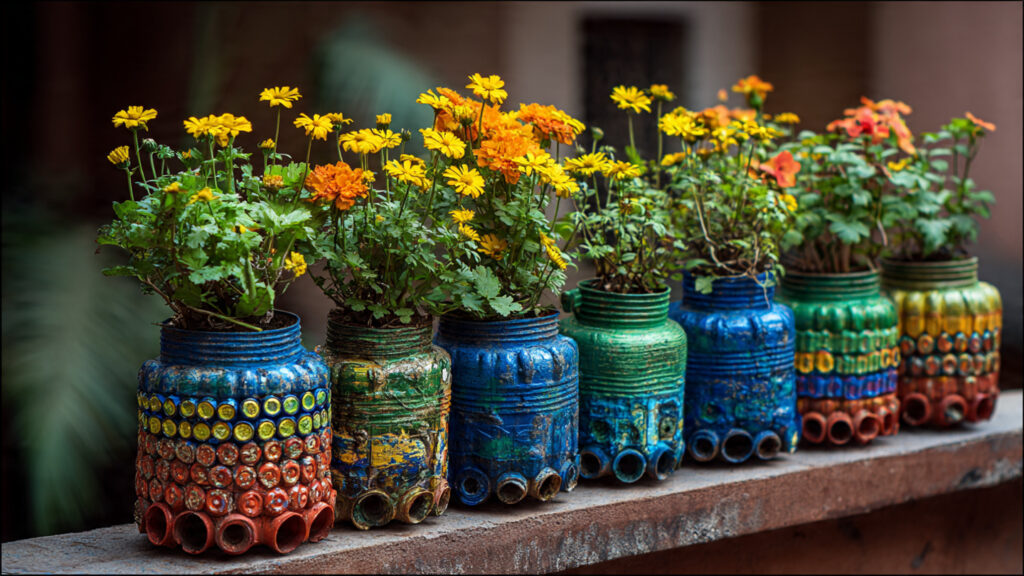
In today’s world, sustainability is more than just a buzzword—it’s a lifestyle. One of the simplest ways to contribute to a greener planet is by reusing items that would otherwise end up in landfills. Among the many recyclable materials in our homes, plastic bottles are the most common culprits. But instead of throwing them away, you can turn them into beautiful, functional flower pots that will transform your garden, balcony, or indoor space.
In this guide, we’ll explore creative ways to recycle plastic bottles, step-by-step instructions for making pots, and tips for making them both attractive and long-lasting.
Why Recycle Plastic Bottles for Gardening?
Plastic bottles are everywhere—they’re lightweight, durable, and flexible. When repurposed as flower pots, they offer several advantages:
- Eco-friendly: Keeps plastic out of landfills and reduces pollution.
- Cost-effective: No need to buy expensive pots—your old bottles are free!
- Customizable: You can paint, cut, and decorate them to match any style.
- Space-saving: Perfect for vertical gardens, hanging pots, and small balconies.
With a little creativity, your old plastic bottles can become vibrant homes for flowers, herbs, or small vegetables.
Choosing the Right Bottles
Not all plastic bottles are ideal for gardening. Consider these tips:
- Size matters: Use larger bottles (1–2 liters) for plants with bigger roots, and smaller bottles for seedlings or succulents.
- Material type: Look for sturdy plastics, like PET bottles, which can hold soil without collapsing.
- Transparency: Clear bottles are great for monitoring soil moisture, but opaque bottles are better for preventing root damage from sunlight.
Step-by-Step Guide to Making Plastic Bottle Flower Pots
Turning a plastic bottle into a flower pot is simple and fun. Here’s a step-by-step process:
Step 1: Gather Your Materials
You’ll need:
- Empty plastic bottles (clean and dry)
- Sharp scissors or a craft knife
- Marker or pen
- Sandpaper (optional, for smoothing edges)
- Acrylic paint, spray paint, or decorative tape (optional)
- Soil and seeds or small plants
- Small stones or pebbles for drainage
Step 2: Clean and Prepare the Bottles
Start by thoroughly washing the bottles to remove labels and residue. Dry them completely to prevent mold growth inside your pot.
Step 3: Cut the Bottles
Decide whether you want a top-down pot (cut the top off) or a hanging pot (cut a side section).
- Top-down pots: Cut the bottle horizontally near the top, leaving a few inches for soil.
- Side-cut pots: Cut a vertical rectangle from the side of the bottle to create an open planter.
- Hanging pots: Cut the bottle in half and punch holes on the sides to thread a rope or string for hanging.
Tip: Use sandpaper to smooth rough edges, especially if kids are helping.
Step 4: Create Drainage Holes
Proper drainage is essential for healthy plants. Poke small holes at the bottom of the bottle using scissors, a nail, or a heated pin. For hanging or side-cut pots, ensure the drainage holes are slightly larger to allow water to escape.
Step 5: Decorate Your Bottles
Plastic bottles can be plain, but with a little creativity, they can become stunning garden décor:
- Paint: Use acrylic or spray paint to cover the bottle in vibrant colors.
- Patterns: Add stripes, polka dots, or geometric designs.
- Wrapping: Use jute rope, twine, or fabric to wrap around the bottle for a rustic look.
- Decoupage: Glue decorative paper or fabric on the bottle for a unique artistic touch.
Tip: Apply a clear sealant to protect paint from rain and sun if your pots are outdoors.
Step 6: Add Stones and Soil
Start with a layer of small stones or pebbles at the bottom for drainage. Then fill the bottle with high-quality potting soil. If you’re planting seeds, follow the depth guidelines on the seed packet.
Step 7: Plant Your Flowers or Herbs
Choose plants suited for the size of your bottle and the location of your garden.
➡️ How to Grow Malabar Spinach from Cuttings for Fast, Easy Greens
➡️ How to Grow Super Delicious Cabbage at Home Without a Garden
➡️ How to Grow Bean Sprouts at Home in Plastic Bottles Easily (Step‑by‑Step Guide)
➡️ Why is Your Lemon Tree Blooming in the Heart of Winter?
➡️ Why Should Your Garden Have a Dedicated Pollinator Highway?
➡️ Why Do Your Fruit Trees Need a Winter Wash to Thrive in Spring?
➡️ How Can Rice Water Transform Your Fruits into Sweeter Delights?
➡️ Jumpstart Your Winter Garden: Seed Starting Under Lights
- Small pots: Succulents, cacti, herbs like basil or mint.
- Medium pots: Petunias, marigolds, or small ferns.
- Large bottles: Tomatoes, peppers, or larger flowering plants.
Water lightly and place your new planter in an area that gets the appropriate sunlight for your plants.
Creative Ideas for Plastic Bottle Gardens
Recycling plastic bottles allows you to get creative in ways traditional pots don’t:
1. Vertical Bottle Gardens
Stack bottles vertically or hang them on a wall to maximize space. This is perfect for balconies or apartments with limited floor space.
2. Bottle Tower Planters
Cut the bottoms off several bottles and stack them, creating a mini tower of plants. Secure with a rod or dowel for stability.
3. Hanging Herb Garden
Create a line of hanging bottles on a balcony railing. Plant different herbs in each bottle for a practical and decorative solution.
4. Painted Themed Garden
Use themed colors or designs to match your garden style—pastel colors for a soft look, bright tropical colors for a lively effect.
Benefits Beyond Aesthetics
Recycling plastic bottles into flower pots is not only environmentally friendly and decorative—it has other benefits as well:
- Educational: A fun DIY project for kids to learn about recycling and gardening.
- Therapeutic: Gardening reduces stress and promotes mindfulness.
- Community impact: If you create multiple bottles, you can donate them to schools, community gardens, or neighbors.
Maintenance Tips for Plastic Bottle Planters
Plastic bottle pots are low-maintenance, but proper care ensures longevity:
- Check drainage holes regularly to avoid waterlogging.
- Replace soil annually for nutrient replenishment.
- Clean the bottles occasionally to remove algae or mineral deposits.
- Move indoor pots near sunlight and rotate to ensure even growth.
Common Mistakes to Avoid
- Skipping drainage: Waterlogged soil can kill plants.
- Using thin, flimsy bottles for large plants: They may collapse under soil weight.
- Ignoring sunlight needs: Match your plant’s sunlight requirements with the bottle’s location.
- Overcrowding: Allow each plant enough space to grow.
Final Thoughts
Recycling plastic bottles into flower pots is one of the most rewarding ways to combine creativity, sustainability, and gardening. With just a few supplies, some time, and a dash of imagination, you can turn what would otherwise be trash into a beautiful, functional addition to your home or garden.
Not only will you save money and reduce waste, but you’ll also enjoy the satisfaction of nurturing plants in pots that you made yourself. Whether it’s a hanging herb garden, a vertical flower wall, or a colorful tabletop arrangement, plastic bottles have the potential to become much more than just waste—they can become a vibrant expression of your green lifestyle.
So, the next time you finish a bottle of water or soda, don’t throw it away—transform it into a beautiful planter and give your garden a creative, eco-friendly upgrade.