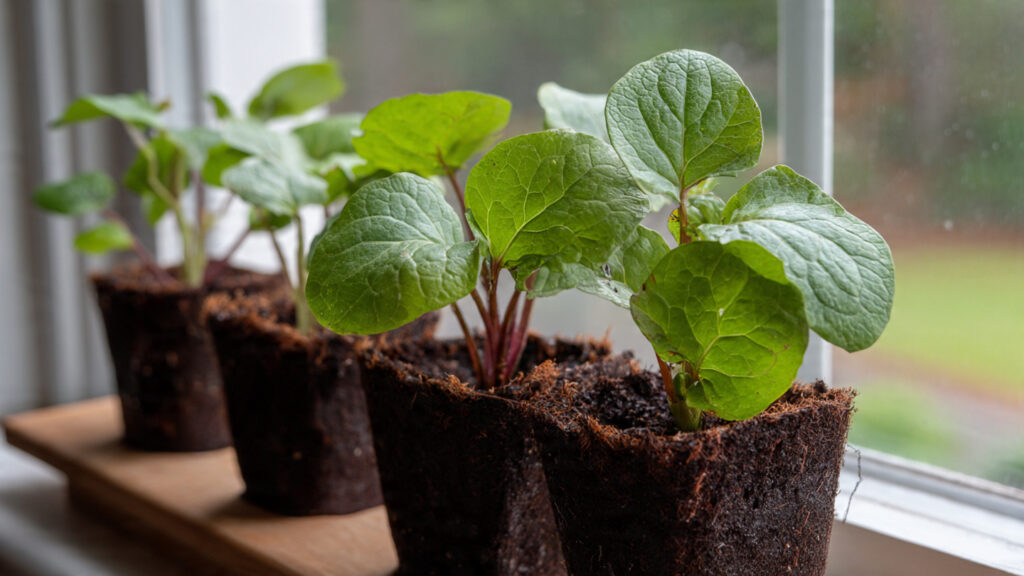
Malabar spinach, also known as Basella alba, is a fast-growing, nutrient-rich leafy green that thrives in warm climates and is perfect for home gardens. Unlike traditional spinach, Malabar spinach is a vining plant that produces glossy, succulent leaves, ideal for salads, stir-fries, and soups. One of the easiest and most efficient ways to propagate this versatile plant is from cuttings, allowing gardeners to enjoy fresh, healthy greens with minimal effort. This article provides a comprehensive guide on how to grow Malabar spinach from cuttings for fast and easy greens.
Why Grow Malabar Spinach from Cuttings?
Growing Malabar spinach from cuttings has several advantages:
- Fast Growth: Cuttings establish quickly and start producing edible leaves sooner than seeds.
- Easy Propagation: Even novice gardeners can grow healthy plants from a single stem.
- Clonal Consistency: Cuttings produce plants identical to the parent plant, preserving flavor and growth habits.
- Cost-Effective: No need to buy multiple seeds or seedlings, making it a budget-friendly method.
This propagation method is especially useful for indoor gardening, small spaces, and container gardening.
Choosing the Right Cutting
The first step in growing Malabar spinach from cuttings is selecting a healthy parent plant. Look for strong, disease-free vines with vibrant green leaves. A cutting of about 4–6 inches in length works best. Ensure the cutting has at least 2–3 nodes (the small bumps on the stem where leaves emerge), as roots will develop from these nodes. Remove any lower leaves to prevent rotting when planted.
Preparing the Cutting
Once you’ve selected the cutting, preparation is essential for successful growth. Follow these steps:
- Trim the Cutting: Cut just below a node using a clean, sharp pair of scissors or pruning shears.
- Remove Lower Leaves: Strip off leaves from the lower half of the stem to prevent decay in soil or water.
- Optional Rooting Hormone: Dip the cut end into rooting hormone powder to encourage faster root development. While optional, it can improve success rates and speed up growth.
Proper preparation ensures the cutting has the best chance to establish strong roots.
Rooting Malabar Spinach Cuttings
Malabar spinach can be rooted in water or soil, depending on your preference. Both methods are effective:
Water Method
- Place the prepared cutting in a glass or jar of clean water, ensuring the nodes are submerged.
- Place the container in a bright, indirect light location. Avoid direct sunlight, which can damage the cutting.
- Change the water every 2–3 days to prevent bacterial growth.
- After 1–2 weeks, roots will begin to develop from the nodes. Once roots are about 2 inches long, the cutting is ready to transplant into soil.
Soil Method
- Fill a small pot with well-draining potting mix rich in organic matter.
- Insert the prepared cutting into the soil, burying at least one node.
- Water lightly to settle the soil around the stem.
- Cover the cutting with a plastic bag or dome to maintain humidity. Remove the cover once new leaves appear, signaling root establishment.
Both methods produce healthy Malabar spinach plants, but water propagation allows you to monitor root development visually.
Transplanting to Larger Pots or Garden Beds
Once the cutting has developed a robust root system, it’s ready for transplanting. Malabar spinach thrives in warm, sunny locations with well-draining soil. If planting in a garden bed, space plants about 12–18 inches apart to allow for sprawling growth. For container gardening, choose a deep pot with a trellis or support for the climbing vines.
When transplanting, water thoroughly to help the plant settle in its new environment. Mulching around the base of the plant helps retain moisture and suppress weeds, promoting vigorous growth.
Caring for Malabar Spinach
Malabar spinach is relatively low-maintenance, but some care practices can maximize yield and quality:
Watering
Keep the soil consistently moist, especially during hot weather. Malabar spinach prefers regular watering, but avoid waterlogging, which can cause root rot. A drip irrigation system or soaker hose works well for consistent moisture.
Sunlight
This plant thrives in full sun but can tolerate partial shade. Ensure it receives at least 6 hours of sunlight per day for optimal leaf production.
Fertilization
Feed the plant every 3–4 weeks with a balanced liquid fertilizer or compost tea. Malabar spinach responds well to nitrogen-rich nutrients, which encourage lush, leafy growth.
Support Structures
Since Malabar spinach is a vining plant, providing a trellis, stakes, or netting helps the vines climb, improving air circulation and leaf quality. Trained vines are also easier to harvest and prevent leaves from touching the ground, reducing the risk of pests and disease.
➡️ How to Grow Malabar Spinach from Cuttings for Fast, Easy Greens
➡️ How to Grow Super Delicious Cabbage at Home Without a Garden
➡️ How to Grow Bean Sprouts at Home in Plastic Bottles Easily (Step‑by‑Step Guide)
➡️ Why is Your Lemon Tree Blooming in the Heart of Winter?
➡️ Why Should Your Garden Have a Dedicated Pollinator Highway?
➡️ Why Do Your Fruit Trees Need a Winter Wash to Thrive in Spring?
➡️ How Can Rice Water Transform Your Fruits into Sweeter Delights?
➡️ Jumpstart Your Winter Garden: Seed Starting Under Lights
Pruning and Harvesting
Regular pruning encourages healthy growth and increases yield. Pinch off the growing tips when the plant reaches the top of your support structure to stimulate lateral branching. This results in more leaves and denser vines.
For harvesting:
- Pick leaves and young shoots regularly to encourage continuous growth.
- Use scissors or garden shears to prevent damage to the plant.
- Harvest leaves when they are bright green and tender, as older leaves can become tough.
With proper care, Malabar spinach can produce greens continuously throughout the growing season.
Pests and Diseases
Malabar spinach is generally resistant to pests and diseases, but indoor and garden-grown plants may occasionally face issues:
- Aphids and whiteflies: Spray affected leaves with insecticidal soap or neem oil.
- Leaf spot and fungal diseases: Ensure proper air circulation and avoid overhead watering.
- Slugs and snails: Use organic slug repellents or barriers around pots and garden beds.
Monitoring the plant regularly and maintaining clean growing conditions reduces the risk of infestations.
Indoor Growing Tips
For those growing Malabar spinach indoors:
- Choose a sunny windowsill or balcony with at least 6 hours of light daily.
- Use grow lights if natural sunlight is insufficient, especially during winter months.
- Maintain a temperature range of 70–85°F (21–29°C) for optimal growth.
- Rotate the pots periodically to ensure even light exposure on all vines.
Indoor growing allows gardeners to enjoy fresh, nutrient-rich greens year-round, regardless of outdoor climate.
Benefits of Growing Malabar Spinach
Malabar spinach is not only delicious but also highly nutritious:
- Rich in vitamins A, C, and iron.
- Contains antioxidants that support overall health.
- Easy to grow and provides a continuous supply of fresh greens.
- Adds a unique flavor and texture to salads, soups, and stir-fries.
By growing it from cuttings, gardeners can enjoy these benefits with minimal effort and maximum yield.
Conclusion
Growing Malabar spinach from cuttings is a fast, easy, and rewarding method to enjoy fresh greens at home. With proper selection, preparation, and care, cuttings can develop into vigorous, productive plants that thrive in containers or garden beds.
By following these steps—choosing the right cutting, rooting in water or soil, providing adequate sunlight and nutrients, and maintaining proper watering and pruning—you can ensure a healthy, high-yielding Malabar spinach plant. Whether you are a beginner or an experienced gardener, this vining green is a versatile addition to your home garden, providing fresh, nutrient-packed leaves all season long.
With minimal effort and consistent care, growing Malabar spinach from cuttings can become a sustainable source of fresh greens, bringing both flavor and nutrition to your meals while adding beauty to your indoor or outdoor garden space.