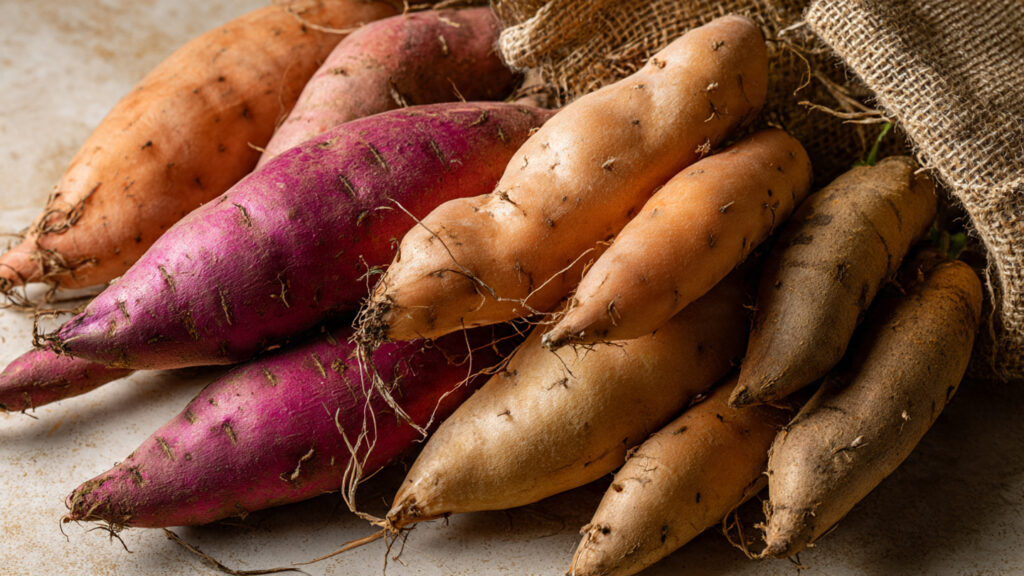
Sweet potatoes are a nutritious, versatile, and delicious root vegetable that can be grown successfully at home—even in small gardens, containers, or raised beds. Known for their rich orange flesh, natural sweetness, and health benefits, sweet potatoes are a favorite among gardeners and food enthusiasts alike. In this easy guide, I’ll share step-by-step instructions on how to grow sweet potatoes at home and maximize tuber production so you can enjoy a bountiful harvest.
Why Grow Sweet Potatoes at Home?
Homegrown sweet potatoes have several advantages over store-bought varieties:
- Better Taste: Freshly harvested sweet potatoes are sweeter and more flavorful.
- Chemical-Free: You control the soil and avoid pesticides or preservatives.
- Cost-Effective: Sweet potato slips (sprouts) are inexpensive and easy to grow.
- Educational: Growing root vegetables teaches gardening skills and patience.
- Continuous Harvest: With proper care, sweet potatoes can provide a high yield year after year.
Whether you have a backyard, rooftop garden, or containers, growing sweet potatoes at home is both rewarding and practical.
Health Benefits of Sweet Potatoes
Sweet potatoes are packed with nutrients, making them a valuable addition to any diet:
- Rich in Vitamins: High in vitamin A (beta-carotene), vitamin C, and B-complex vitamins.
- High in Fiber: Supports digestion and gut health.
- Antioxidant Properties: Helps combat oxidative stress and inflammation.
- Low Glycemic Index: Provides steady energy without spiking blood sugar levels.
- Supports Immunity: Nutrient-rich tubers strengthen overall health.
Growing sweet potatoes at home ensures you have access to fresh, nutritious tubers all year round.
Choosing the Right Sweet Potato Variety
Selecting the right variety is key to successful cultivation. Popular home gardening varieties include:
- Beauregard: Sweet, orange-fleshed, and high-yielding.
- Georgia Jet: Large, flavorful tubers, ideal for backyard gardens.
- Japanese Sweet Potato: Red-skinned, white-fleshed, and mildly sweet.
For beginners, Beauregard is often recommended due to its ease of growth, disease resistance, and high tuber production.
Starting Sweet Potato Slips
Sweet potatoes are grown from slips, which are shoots sprouted from mature tubers. Here’s how to prepare them:
Step 1: Selecting Tubers
Choose healthy, disease-free sweet potatoes from a trusted source. Avoid bruised or soft tubers.
Step 2: Sprouting Slips
- Place tubers in water, partially submerged, or in moist soil.
- Keep them in a warm, sunny spot.
- After 2–4 weeks, shoots (slips) will start to emerge.
Step 3: Separating Slips
- Once slips are 6–8 inches long, gently twist or cut them off from the tuber.
- Remove lower leaves and place slips in water for 1–2 weeks to encourage root growth.
Starting with healthy slips ensures a strong foundation for high tuber production.
Preparing the Planting Site
Sweet potatoes prefer well-draining, loose, and fertile soil. Compacted soil can restrict tuber growth, leading to small or deformed roots.
Soil Preparation Tips:
- Loosen the Soil: Dig or till to a depth of 12–18 inches.
- Add Organic Matter: Mix compost or well-rotted manure to boost fertility.
- Check pH: Sweet potatoes prefer slightly acidic to neutral soil (pH 5.5–6.5).
- Raised Beds or Containers: Ideal for small gardens or limited space; use at least 12–15 inches deep for tuber development.
Proper soil preparation is critical for producing lots of healthy tubers.
Planting Sweet Potato Slips
Plant slips after the last frost when the soil has warmed to around 70°F (21°C).
Planting Steps:
- Spacing: Plant slips 12–18 inches apart in rows 3 feet apart for optimal growth.
- Depth: Insert slips about 3–4 inches into the soil.
- Orientation: Ensure roots are downward and shoots above soil.
- Watering: Water gently after planting to settle the soil.
With proper spacing and depth, each plant has enough room to produce multiple tubers.
Caring for Sweet Potato Plants
Consistent care throughout the growing season maximizes tuber production.
➡️ How to Grow Malabar Spinach from Cuttings for Fast, Easy Greens
➡️ How to Grow Super Delicious Cabbage at Home Without a Garden
➡️ How to Grow Bean Sprouts at Home in Plastic Bottles Easily (Step‑by‑Step Guide)
➡️ Why is Your Lemon Tree Blooming in the Heart of Winter?
➡️ Why Should Your Garden Have a Dedicated Pollinator Highway?
➡️ Why Do Your Fruit Trees Need a Winter Wash to Thrive in Spring?
➡️ How Can Rice Water Transform Your Fruits into Sweeter Delights?
➡️ Jumpstart Your Winter Garden: Seed Starting Under Lights
Watering
- Keep soil evenly moist, especially during the first 4–6 weeks.
- Reduce watering as plants mature to avoid waterlogged tubers, which can rot.
Fertilization
- Use a balanced, low-nitrogen fertilizer to encourage tuber growth rather than excessive leafy growth.
- Apply compost or organic fertilizers every 4–6 weeks.
Sunlight
- Sweet potatoes thrive in full sun, requiring at least 6–8 hours per day.
- Adequate sunlight promotes vigorous vine growth and tuber development.
Mulching
- Apply straw or dried leaves around plants to conserve moisture, suppress weeds, and regulate soil temperature.
Proper care ensures strong vine growth, healthy foliage, and abundant tubers.
Pruning and Training Vines
Sweet potato vines can spread extensively. Controlling vine growth can help maximize tuber production and garden space:
- Train vines along rows or trellises if space is limited.
- Trim overly long or crowded vines to redirect energy toward tuber development.
Managing vine growth encourages plants to focus energy underground, producing more and larger tubers.
Pests and Diseases
Sweet potatoes are relatively hardy, but watch for these common issues:
- Sweet Potato Weevil: Damage stems and tubers; remove infected plants immediately.
- Aphids: Spray with neem oil or mild soapy water.
- Fungal Diseases: Overwatering can lead to root rot or leaf blight; ensure proper spacing and drainage.
Regular monitoring and preventive care help maintain healthy plants and maximize yield.
Harvesting Sweet Potatoes
Sweet potatoes are typically ready for harvest 90–120 days after planting, depending on the variety.
Harvesting Tips:
- Check leaves for yellowing, a sign of tuber maturity.
- Use a garden fork to carefully lift tubers without damaging them.
- Cure harvested sweet potatoes in a warm, humid place for 7–10 days to improve sweetness and storage life.
Each plant can produce multiple tubers, with proper care leading to a high yield from a small space.
Storage of Sweet Potatoes
Proper storage extends the shelf life of your harvest:
- Store in a cool, dry, and dark place.
- Avoid refrigeration for freshly harvested tubers, as cold can damage texture and flavor.
- Cured sweet potatoes can last for several months, ensuring a continuous supply.
Benefits of Growing Sweet Potatoes at Home
- Fresh, Nutritious Produce: Chemical-free, vitamin-rich tubers available year-round.
- High Yield in Limited Space: Proper care yields multiple tubers per plant.
- Cost Savings: Growing your own reduces grocery expenses.
- Sustainable Gardening: Reuse containers, compost soil, and reduce food waste.
- Culinary Variety: Sweet potatoes can be roasted, boiled, baked, mashed, or fried, making them a versatile ingredient.
Homegrown sweet potatoes are both delicious and practical, enhancing your meals and health.
Conclusion
Growing sweet potatoes at home is easy, fun, and highly rewarding. By selecting healthy slips, preparing loose, fertile soil, planting with proper spacing, and providing consistent care, you can enjoy a bountiful harvest with lots of tubers.
Key practices for success include:
- Choosing the right variety
- Starting healthy slips
- Preparing nutrient-rich soil
- Providing adequate sunlight, water, and organic fertilization
- Managing vines and monitoring pests
Whether you have a garden bed, container, or raised bed, sweet potatoes can thrive with minimal effort. With patience, care, and the practical tips shared in this guide, anyone can grow their own delicious, healthy, and abundant sweet potatoes at home, turning a small garden space into a productive and rewarding harvest zone.