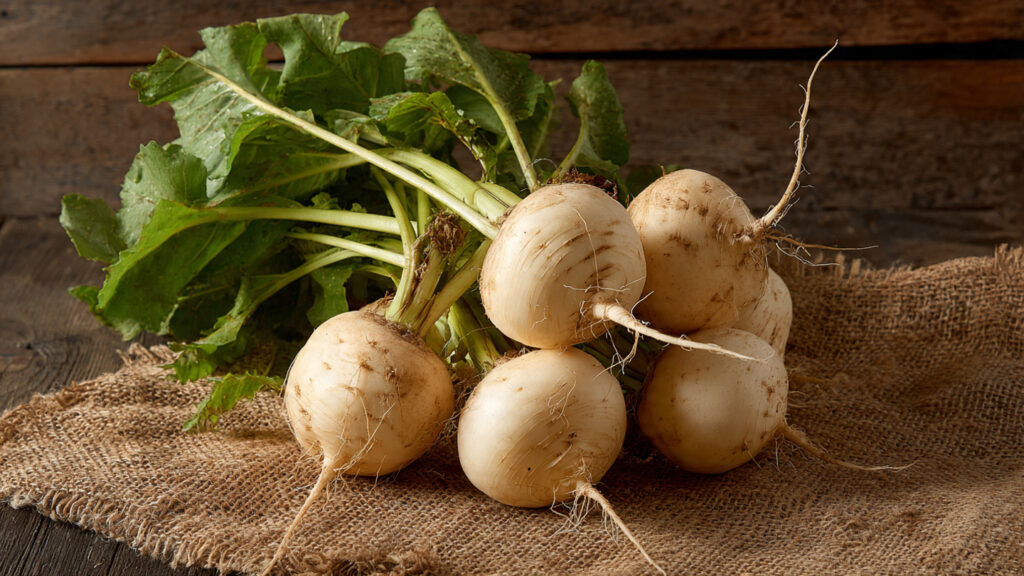
Jicama, often called the “Mexican yam bean,” is a crunchy, sweet tuber packed with nutrients and flavor. Its crisp texture makes it perfect for salads, snacks, and stir-fries. While commonly found in grocery stores, growing jicama at home is surprisingly easy—and with the right techniques, you can cultivate large, sweet tubers in your garden or even in containers.
This guide will walk you through everything you need to know about growing jicama at home, from planting seeds to harvesting and care, ensuring bountiful and flavorful tubers for your kitchen.
Why Grow Jicama at Home?
Growing jicama at home offers several advantages:
- Freshness – Homegrown tubers are sweeter and juicier than store-bought ones.
- Organic cultivation – You control pesticides and fertilizers, keeping your produce chemical-free.
- Cost-effective – A small investment in seeds or tubers can produce multiple harvests.
- Gardening enjoyment – Watching jicama grow from vine to tuber is rewarding and educational.
Jicama thrives in warm climates but can also be grown in temperate regions with proper care and a long growing season.
Choosing the Right Variety
There are several varieties of jicama, but for home gardeners, the following are ideal:
- Mexican Jicama – Produces large, sweet tubers.
- Brazilian Jicama – Known for round, juicy tubers and slightly nutty flavor.
- Compact or bush varieties – Suitable for container gardens or limited spaces.
Select seeds or tubers from a reputable source, ensuring they are healthy and free from disease.
Ideal Growing Conditions
Jicama requires specific conditions to produce big, sweet tubers:
- Climate – Warm, frost-free conditions; temperatures between 70–85°F (21–29°C) are optimal.
- Soil – Well-draining, loose soil rich in organic matter. Heavy or compacted soil can stunt tuber growth.
- Sunlight – Full sun for at least 6–8 hours per day. More sunlight enhances tuber size and sweetness.
- Space – Vining habit requires space; provide trellises or allow enough room for sprawling vines.
By creating ideal conditions, you set the stage for healthy, flavorful tubers.
Planting Jicama
Jicama is usually grown from tubers rather than seeds for faster results, though seeds are also viable.
Planting Tubers:
- Select tubers – Use mature, firm, disease-free tubers.
- Cut into sections (optional) – Tubers can be cut into 2–3 inch pieces, ensuring each piece has at least one sprout or “eye.”
- Prepare soil – Dig trenches or holes about 4–6 inches deep.
- Plant tubers – Place the tuber horizontally and cover lightly with soil. Water gently.
Planting Seeds:
- Start indoors – Sow seeds in seed trays 1 inch deep, using well-draining soil.
- Germination – Keep soil warm (75–85°F / 24–29°C) and moist. Seeds sprout in 2–3 weeks.
- Transplant seedlings – When seedlings have 2–3 true leaves, move them outdoors or to larger containers.
Proper planting ensures strong vines and healthy tuber formation.
Caring for Jicama Vines
Jicama vines require consistent care for optimal growth:
Watering
- Keep soil consistently moist but avoid waterlogging.
- Reduce watering slightly during the last month before harvest to concentrate sugars and improve tuber sweetness.
Fertilization
- Early growth benefits from nitrogen-rich fertilizer to encourage leafy development.
- As vines mature, switch to phosphorus and potassium to support tuber formation.
- Avoid over-fertilizing with nitrogen late in the season, as it can produce excessive leaves instead of tubers.
Trellising and Support
- Jicama vines can grow 10–15 feet long. Provide a sturdy trellis or fence to encourage vertical growth.
- Vining reduces stress on the tubers and allows better sunlight exposure for leaves, which boosts photosynthesis and tuber size.
Pest and Disease Management
Healthy plants produce large, sweet tubers, so managing pests and diseases is essential:
- Aphids – Feed on leaves; control with neem oil or insecticidal soap.
- Root-knot nematodes – Can deform tubers; crop rotation and well-draining soil help prevent infestation.
- Powdery mildew – Fungal disease affecting leaves; ensure proper spacing and airflow, and treat with organic fungicides if necessary.
- Slugs and snails – Feed on young leaves; use traps or barriers to protect seedlings.
Regular monitoring and early intervention prevent damage that could stunt tuber growth.
Harvesting Jicama
Timing is critical to maximize sweetness and size:
- Jicama tubers typically take 5–9 months to mature, depending on variety and climate.
- Signs of maturity include yellowing foliage and vines starting to die back.
- Carefully dig around the tuber with a spade to avoid cutting or bruising.
Harvesting at the right time ensures sweet, crisp tubers ready for the kitchen.
➡️ How to Grow Malabar Spinach from Cuttings for Fast, Easy Greens
➡️ How to Grow Super Delicious Cabbage at Home Without a Garden
➡️ How to Grow Bean Sprouts at Home in Plastic Bottles Easily (Step‑by‑Step Guide)
➡️ Why is Your Lemon Tree Blooming in the Heart of Winter?
➡️ Why Should Your Garden Have a Dedicated Pollinator Highway?
➡️ Why Do Your Fruit Trees Need a Winter Wash to Thrive in Spring?
➡️ How Can Rice Water Transform Your Fruits into Sweeter Delights?
➡️ Jumpstart Your Winter Garden: Seed Starting Under Lights
Tips for Bigger, Sweeter Tubers
- Provide enough space – Crowding reduces tuber size. Each plant should have 3–4 feet between vines.
- Optimal sunlight – Ensure full sun; shaded tubers may be smaller and less sweet.
- Reduce water before harvest – Mild stress increases sugar concentration.
- Use rich, loose soil – Avoid compacted or clay-heavy soil, which restricts tuber expansion.
- Prune vines lightly – Focus energy on fewer, larger tubers rather than many small ones.
By following these strategies, you can consistently grow impressive, flavorful jicama.
Container Gardening for Jicama
If you lack garden space, jicama can thrive in containers:
- Choose deep pots – 18–24 inches deep to accommodate tubers.
- Use well-draining soil – Mix potting soil, compost, and sand or perlite.
- Provide trellis support – Even in pots, vines need vertical space to grow properly.
- Monitor watering and nutrients – Container plants dry out faster and need more frequent fertilization.
Container gardening allows urban gardeners to enjoy homegrown jicama without a full yard.
Nutritional Benefits of Jicama
Homegrown jicama is not just tasty—it’s healthy:
- Low in calories – Ideal for weight management.
- High in fiber – Supports digestion and gut health.
- Rich in vitamin C – Boosts immunity and promotes skin health.
- Contains antioxidants – Helps fight inflammation and oxidative stress.
Growing your own ensures the tubers are fresh, sweet, and nutrient-dense.
Fun Ways to Enjoy Jicama
- Slice raw into salads or slaws for a crisp texture.
- Serve as sticks with dips like hummus or guacamole.
- Stir-fry with other vegetables for a lightly sweet crunch.
- Add to fruit salads for a refreshing tropical twist.
Fresh, homegrown jicama is versatile and enhances any meal with its unique flavor and crunch.
Final Thoughts
Growing jicama at home is an enjoyable and rewarding gardening project. By selecting the right variety, providing ideal growing conditions, supporting vines, managing pests, and harvesting at the right time, you can enjoy large, sweet tubers that elevate your meals and impress your family and friends.
Whether planted in a backyard garden or a large container, jicama is a versatile crop that rewards patience and care. With these easy strategies, even beginner gardeners can successfully grow jicama at home and savor the crisp, sweet taste of their own harvest.
Homegrown jicama not only adds flavor to your table but also brings the satisfaction of nurturing a plant from seed or tuber to full-sized harvest—a true triumph of gardening skill and patience.