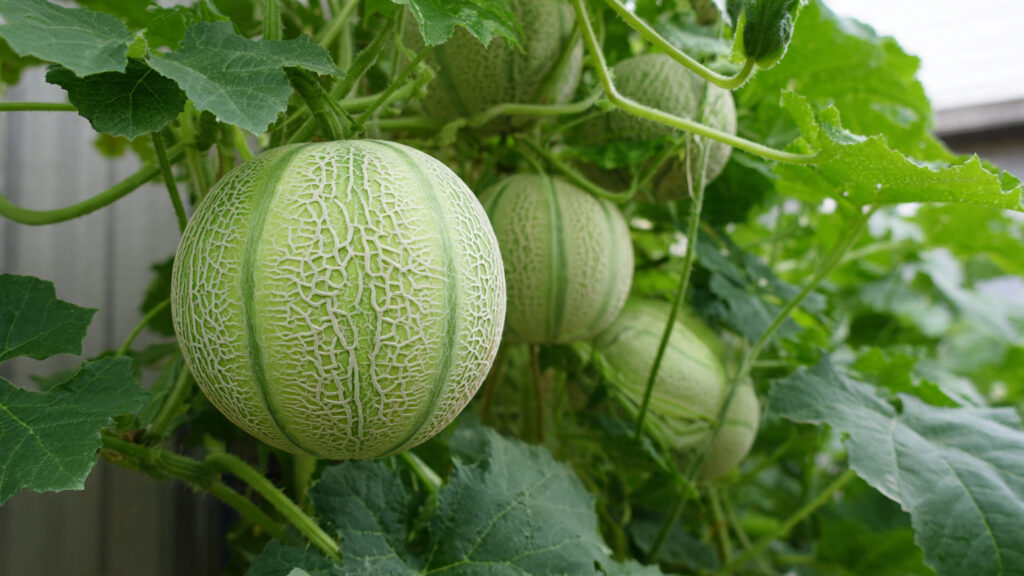
Japanese melons, also known as cantaloupes or muskmelons in some regions, are prized for their sweet, aromatic flavor and juicy texture. While many think these fruits are difficult to grow, the truth is that with the right techniques, care, and timing, even beginners can enjoy a bountiful harvest right from their home garden or balcony. In this guide, we’ll cover everything you need to know about growing Japanese melon at home, from seed selection to harvesting, ensuring you get lots of healthy fruits.
1. Understanding Japanese Melon Growth
Before planting, it’s important to understand the growth requirements and habits of Japanese melons:
- Climate: Japanese melons thrive in warm weather, ideally 70–85°F (21–29°C). They need a long growing season of 80–100 days.
- Soil: They prefer well-draining, loamy soil rich in organic matter with a slightly acidic to neutral pH (6–7).
- Growth habit: Melons are vining plants that spread along the ground or climb on trellises. They need space for proper growth.
- Sunlight: They require full sun for 6–8 hours daily to produce sweet fruits.
Understanding these needs ensures that your Japanese melons have the best environment to grow and bear fruit abundantly.
2. Choosing the Right Variety
Several Japanese melon varieties are suitable for home cultivation. Some popular beginner-friendly varieties include:
- Yubari King: Famous for sweetness, ideal for greenhouse or home gardens.
- Sharlyn: Compact vines, easier for small spaces.
- Athena: Resistant to common diseases, high yield.
Select a variety suitable for your space and climate, as this greatly influences fruit quality and yield.
3. Seed Selection and Germination
Starting from quality seeds is the first step to a successful harvest:
- Purchase certified seeds from a trusted source.
- Soak seeds in water for 6–8 hours to improve germination.
- Sow seeds indoors 3–4 weeks before the last expected frost date.
- Plant seeds ½ inch deep in seed trays or small pots with moist, well-draining soil.
Seeds usually germinate in 7–10 days under optimal conditions. Keep the soil warm (70–80°F) and maintain moisture without waterlogging.
4. Transplanting Seedlings
Once seedlings have 2–3 true leaves and the outdoor temperature is stable:
- Harden off seedlings by gradually exposing them to outdoor conditions for 7–10 days.
- Space plants 2–3 feet apart in rows or containers to provide ample room for vines.
- Use a trellis or support if space is limited; this also improves air circulation and reduces the risk of disease.
Proper spacing and support ensure healthy growth and higher fruit yield.
5. Soil Preparation for Japanese Melons
Healthy soil is critical for melons to develop sweet, juicy fruits:
- Loosen the soil to a depth of 12–15 inches.
- Mix in compost or well-rotted manure to enrich nutrients.
- Ensure good drainage, as waterlogged soil can rot roots.
- Optional: create small mounds or hills for each plant to improve root aeration and drainage.
Fertile soil with good drainage promotes vigorous growth and abundant fruiting.
6. Watering Techniques
Japanese melons need consistent moisture but are susceptible to root rot if overwatered:
- Water deeply 1–2 times per week, depending on climate.
- Reduce watering slightly once fruits start ripening to concentrate sugar content, improving sweetness.
- Avoid wetting leaves to prevent fungal diseases.
Proper watering encourages healthy vines and high-quality fruits.
7. Fertilization for Maximum Fruit Production
To produce lots of fruits, Japanese melons need balanced nutrition:
- Apply a nitrogen-rich fertilizer during vegetative growth to encourage strong leaves and stems.
- Switch to a phosphorus and potassium-rich fertilizer during flowering and fruit set to support blooms and fruit development.
- Supplement with organic compost or seaweed extract for additional micronutrients.
Fertilizing at the right stage maximizes both fruit size and number.
➡️ How to Grow Malabar Spinach from Cuttings for Fast, Easy Greens
➡️ How to Grow Super Delicious Cabbage at Home Without a Garden
➡️ How to Grow Bean Sprouts at Home in Plastic Bottles Easily (Step‑by‑Step Guide)
➡️ Why is Your Lemon Tree Blooming in the Heart of Winter?
➡️ Why Should Your Garden Have a Dedicated Pollinator Highway?
➡️ Why Do Your Fruit Trees Need a Winter Wash to Thrive in Spring?
➡️ How Can Rice Water Transform Your Fruits into Sweeter Delights?
➡️ Jumpstart Your Winter Garden: Seed Starting Under Lights
8. Training Vines and Managing Growth
Japanese melons are vigorous climbers, so proper vine management is essential:
- Trellising: Vertical growth saves space and reduces disease.
- Mulching: Cover the ground with straw or black plastic to retain soil moisture, suppress weeds, and keep fruits clean.
- Pruning: Pinch off excess lateral shoots to direct energy toward main vines and developing fruits.
Vine management ensures optimal sunlight, airflow, and nutrient distribution, leading to a higher yield.
9. Pollination Tips
Melons need pollination to produce fruits. Poor pollination leads to misshapen or underdeveloped fruits.
- Natural pollinators: Encourage bees and butterflies by planting flowering companion plants nearby.
- Hand pollination: Gently transfer pollen from male flowers to female flowers using a small brush.
- Identify female flowers by their tiny swelling at the base, which develops into the fruit.
Pollination directly impacts fruit quantity and quality.
10. Pest and Disease Management
Japanese melons are relatively hardy but can be affected by pests like:
- Aphids, whiteflies, and cucumber beetles — control with insecticidal soap or neem oil.
- Powdery mildew or downy mildew — ensure good spacing, airflow, and avoid overhead watering.
- Regular inspection prevents infestations and protects fruit production.
Healthy plants naturally produce more fruits and better-quality melons.
11. Harvesting Japanese Melons
Knowing when to harvest ensures sweetness and aroma:
- Japanese melons are ripe when they emit a fragrant aroma and the skin slightly softens near the stem.
- Some varieties develop netting on the skin or a slight color change when mature.
- Avoid harvesting too early, as under-ripe fruits lack sweetness.
- Use a sharp knife to cut the fruit from the vine, leaving a small stem attached.
Proper harvesting ensures you enjoy the full flavor and texture of your melons.
12. Tips for Beginners
For first-time growers:
- Start with 2–3 plants to understand the growth habit before scaling up.
- Grow in large containers if you don’t have a garden plot.
- Keep a growth journal, noting planting dates, fertilization, and fruiting patterns.
- Rotate crops annually to prevent soil-borne diseases.
These small steps make it easy for beginners to succeed.
13. Companion Planting Ideas
Japanese melons benefit from companion plants that improve growth or deter pests:
- Corn or sunflowers: Provide partial shade for hot climates.
- Marigolds or nasturtiums: Repel aphids and attract pollinators.
- Beans: Fix nitrogen in the soil, benefiting melon vines.
Companion planting improves both yield and plant health.
14. Common Mistakes to Avoid
- Crowding plants too closely — leads to disease and small fruits.
- Over-fertilizing nitrogen during fruiting — produces leaves at the expense of fruits.
- Ignoring pollination — fewer or misshapen fruits.
- Watering inconsistently — reduces fruit size and sweetness.
Avoiding these mistakes helps beginners harvest plentiful, high-quality Japanese melons.
Conclusion
Growing Japanese melon at home is easier than most beginners think. By understanding the plant’s growth habits, choosing the right variety, and following proper watering, fertilization, pruning, and pollination techniques, you can enjoy lots of sweet, juicy fruits right from your garden or balcony.
From seed selection to harvest, each step plays a crucial role in ensuring your melons are healthy and abundant. With patience, consistent care, and attention to detail, Japanese melon cultivation can be a highly rewarding experience for any home gardener.
Whether you have a backyard garden or a sunny balcony, this guide ensures you’ll enjoy homegrown Japanese melons packed with flavor — a delicious reward for your gardening efforts.