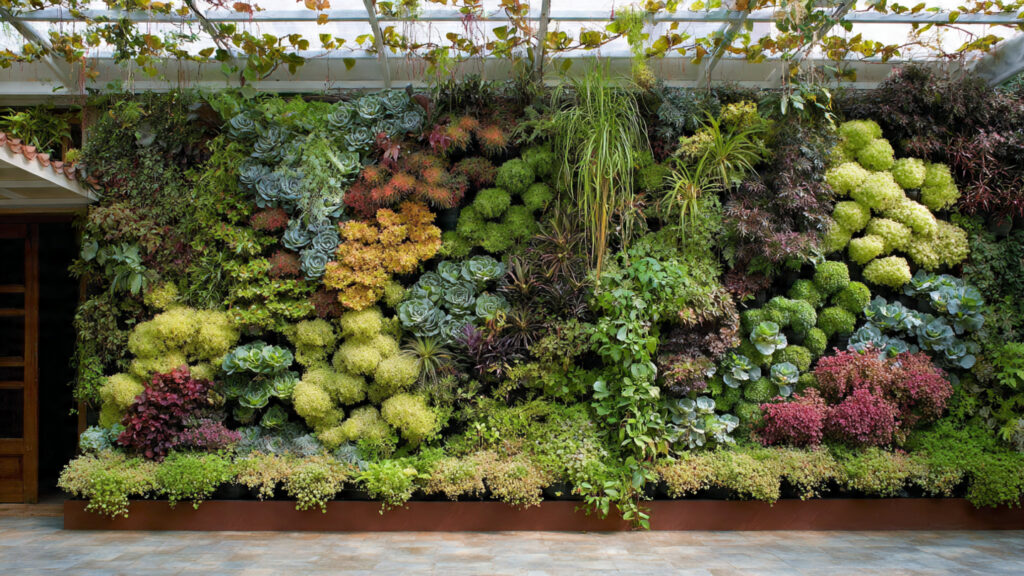
In modern gardening, space is often a luxury. Whether you live in a small apartment, have a compact backyard, or want to maximize your urban balcony, vertical gardening has emerged as a brilliant solution. A vegetable garden on the wall—also called a vertical garden or living wall—is an innovative way to grow fresh produce while saving space and adding stunning visual appeal to your home. Not only does it make efficient use of limited areas, but it also allows you to grow a diverse range of vegetables in an organized, attractive, and sustainable way. In this guide, we’ll explore everything you need to know about creating an amazing vertical vegetable garden, from design ideas to maintenance tips.
Why Choose a Vertical Vegetable Garden?
Vertical gardening is more than just a space-saving hack. Here are several compelling reasons to grow vegetables on a wall:
- Maximizes Small Spaces: Apartments, terraces, and narrow yards can all benefit from vertical gardening. You don’t need a traditional garden plot to enjoy homegrown vegetables.
- Reduces Pest Problems: Elevated plants are less prone to soil-borne pests and many common garden insects.
- Increases Yield: Vertical systems allow for multiple layers of plants, effectively multiplying your growing area without requiring more land.
- Enhances Aesthetics: A green wall of thriving vegetables creates a visually stunning backdrop for your home or balcony.
- Improves Air Quality: Living walls help filter pollutants, providing cleaner air around your home.
- Encourages Sustainable Practices: Vertical gardens often use less water and can incorporate organic growing methods.
Planning Your Wall Garden
Before installing a vertical vegetable garden, careful planning is key. Consider these factors:
1. Choose the Right Location
- Sunlight: Most vegetables need 6–8 hours of direct sunlight. Ensure your wall gets adequate light, or use supplemental grow lights if indoors.
- Protection: Select a wall that is sheltered from harsh winds to prevent plant stress.
- Accessibility: Make sure you can reach all sections of the wall for watering, harvesting, and maintenance.
2. Select a Wall Structure
Your wall must support the weight of soil, plants, and water. Options include:
- Freestanding Frames: Perfect for renters or temporary setups. These can be placed against a wall and moved if needed.
- Mounted Vertical Panels: Attach pockets, trays, or planters directly to a sturdy wall.
- Hanging Systems: Use trellises, ropes, or wall-mounted shelves for a modular approach.
3. Choose the Right Containers
Containers should allow proper drainage and root growth. Some options are:
- Fabric Pockets: Lightweight, breathable, and easy to maintain.
- Plastic or Wooden Planters: Durable and customizable in size.
- Recycled Materials: Use old bottles, jars, or crates for eco-friendly gardening.
Best Vegetables for a Vertical Garden
Not every vegetable thrives in a vertical setup. Choose varieties that are compact, fast-growing, or naturally climbing. Here are some excellent options:
- Leafy Greens: Lettuce, spinach, kale, and arugula grow well in shallow containers and are ideal for vertical walls.
- Herbs: Basil, parsley, cilantro, and mint thrive in small pockets and add fragrance.
- Tomatoes: Cherry or grape tomato varieties are perfect for vertical gardening when supported with trellises.
- Peas and Beans: Climbing varieties naturally wrap around supports, saving space.
- Radishes and Carrots: Smaller root vegetables do well in deeper pockets or planters.
- Strawberries: Although technically a fruit, strawberries are perfect for vertical gardens due to their trailing habit.
Designing Your Vertical Vegetable Garden
Creating a vertical vegetable garden is both a functional and creative endeavor. Here are design tips:
1. Layering
- Place heavier, larger plants at the bottom and lighter, trailing plants at the top.
- Alternate vegetables and herbs for visual interest.
2. Color and Texture
- Mix dark green leafy plants with bright herbs and vegetables for an eye-catching wall.
- Include plants with varied leaf shapes and sizes to add depth.
3. Accessibility
- Arrange plants so that harvesting is easy. Leafy greens and herbs should be at eye level for convenience.
- Use modular containers that can be removed for maintenance or replanting.
4. Irrigation Integration
- Consider a drip irrigation system to evenly water all pockets.
- Vertical gardens dry faster than traditional beds, so regular watering is crucial.
Planting and Maintaining Your Wall Garden
Vertical gardening is efficient, but it does require careful attention. Follow these steps:
1. Soil Preparation
- Use lightweight, well-draining soil rich in organic matter.
- A mix of coco peat, compost, and perlite works well for vertical containers.
2. Planting
- Fill each pocket or planter with soil, leaving room for root expansion.
- Place seedlings or seeds according to spacing requirements for each vegetable.
3. Watering
- Water frequently, especially for shallow containers.
- Avoid overwatering, as excess moisture can cause root rot.
4. Fertilization
- Use organic fertilizers like compost tea or liquid seaweed extract every 2–3 weeks.
- Slow-release organic pellets are another option for consistent nutrition.
5. Pruning and Harvesting
- Regularly prune leafy vegetables and herbs to encourage fresh growth.
- Harvest vegetables when ripe to stimulate new production and maintain plant health.
Advantages of Growing Vegetables on a Wall
- Efficient Use of Space: Ideal for small yards, balconies, or urban settings.
- Reduced Pest Pressure: Elevating plants reduces the risk of soil-borne diseases and crawling pests.
- Sustainable Gardening: Vertical gardens often use less water and fertilizer, promoting eco-friendly practices.
- Better Microclimate: Vertical walls can help insulate buildings, reducing heat in summer and wind in winter.
- Aesthetic Appeal: A green wall creates a natural, living artwork that enhances outdoor and indoor spaces.
Common Challenges and Solutions
While vertical vegetable gardens are rewarding, they come with challenges:
- Watering Consistency: Shallow containers dry quickly. Solution: Install drip irrigation or water daily.
- Weight Management: Heavy soil and mature plants can strain the structure. Solution: Ensure the wall or frame is sturdy and secure.
- Limited Root Depth: Some root vegetables may not grow well. Solution: Stick to shallow-rooted vegetables or use deeper pockets.
- Pest Management: Even vertical gardens attract pests. Solution: Use organic pest control like neem oil or companion planting.
Creative Ideas for Your Vertical Garden
- Repurposed Materials: Use old pallets, shoe organizers, or plastic bottles for a low-cost vertical garden.
- Indoor Herb Wall: Turn a kitchen wall into a living herb display for fresh cooking ingredients.
- Colorful Arrangements: Mix vegetables with edible flowers like nasturtium or marigold for a vibrant display.
- Modular System: Create detachable planters for easy replacement and seasonal rotation.
Conclusion
A vertical vegetable garden transforms any space into a lush, productive, and visually stunning oasis. Whether you live in a small apartment, have a narrow balcony, or simply want to maximize your backyard, growing vegetables on the wall is an innovative and rewarding solution.
By carefully planning your wall garden, selecting the right vegetables, and maintaining proper watering, soil, and sunlight, you can enjoy fresh, homegrown produce year-round. Beyond practicality, a vertical garden adds aesthetic appeal, encourages sustainable practices, and brings nature closer to your daily life.
So, take that wall, terrace, or balcony and turn it into a vertical eden. With creativity, care, and attention, your vertical vegetable garden can become the centerpiece of your home and a source of fresh, nutritious harvests for months to come.
Vertical gardening isn’t just about saving space—it’s about growing smarter, greener, and more beautifully.