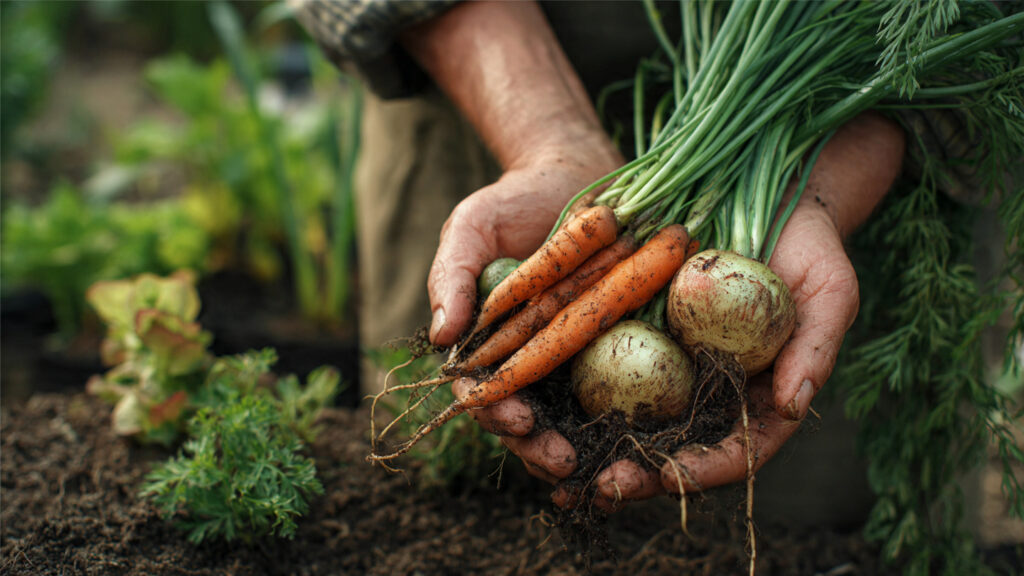
Growing your own vegetables at home is one of the most rewarding and practical ways to ensure fresh, nutritious food for your family. With rising grocery costs and the desire for healthier, chemical-free produce, home gardening has become more than just a hobby—it’s a lifestyle choice. The good news is that you don’t need a large backyard or professional farming skills to grow vegetables at home. Even small spaces, balconies, or patios can yield a substantial harvest if you follow simple, effective techniques. This article will guide you through easy ways to grow vegetables at home and ensure your family enjoys a constant supply of fresh produce.
Why Home-Grown Vegetables Matter
Home gardening offers numerous benefits:
- Freshness and Flavor: Vegetables picked straight from the garden are more flavorful than store-bought ones.
- Nutritional Value: Homegrown vegetables retain more nutrients because they don’t travel long distances.
- Cost Savings: Growing your own vegetables reduces grocery bills significantly.
- Food Security: Having a home garden ensures your family has a reliable source of vegetables.
- Health and Wellness: Gardening encourages physical activity, reduces stress, and connects you with nature.
By starting with simple strategies, you can gradually expand your vegetable garden and create a sustainable food source for your family.
Choosing the Right Vegetables for Home Gardens
Not all vegetables are ideal for small or beginner gardens. Some grow quickly and require minimal care, making them perfect for home cultivation:
- Leafy Greens: Lettuce, spinach, kale, and Swiss chard are fast-growing and thrive in containers or garden beds.
- Root Vegetables: Carrots, radishes, and beets are easy to grow in deep containers or raised beds.
- Fruiting Vegetables: Tomatoes, peppers, cucumbers, and zucchini can thrive in pots, hanging baskets, or small garden plots.
- Herbs: Basil, parsley, mint, and cilantro grow well in containers and complement meals.
Choosing vegetables suited to your local climate and growing season increases your chances of success. Start small and gradually add more varieties as you gain confidence.
Simple Methods to Grow Vegetables at Home
You don’t need acres of land to grow vegetables. Several easy methods work even in limited spaces:
1. Container Gardening
Container gardening is perfect for balconies, patios, or small yards:
- Choose Containers: Use pots, buckets, or recycled containers with drainage holes.
- Soil: Use well-draining potting mix with compost for nutrients.
- Planting: Select compact or dwarf vegetable varieties for container growth.
- Watering: Containers dry out quickly, so regular watering is essential.
Popular vegetables for containers include cherry tomatoes, lettuce, peppers, spinach, and herbs.
2. Raised Bed Gardening
Raised beds are elevated soil plots that make planting and harvesting easier:
- Soil: Fill raised beds with a mix of garden soil, compost, and sand for drainage.
- Spacing: Arrange plants to maximize sunlight and airflow.
- Benefits: Raised beds prevent soil compaction, improve drainage, and reduce weed growth.
Raised beds are ideal for root vegetables, leafy greens, and even small fruiting plants like zucchini and bush beans.
3. Vertical Gardening
Vertical gardening is excellent for small spaces, walls, or fences:
- Use Trellises or Hanging Planters: Grow cucumbers, beans, peas, or tomatoes vertically.
- Recycled Materials: Pallets, hanging pockets, and vertical planters are cost-effective options.
- Benefits: Saves space, improves air circulation, and makes harvesting easier.
Vertical gardening allows you to grow a surprising amount of vegetables in a compact area.
4. Hydroponics and Soilless Gardening
For tech-savvy gardeners, hydroponics offers a soil-free method of growing vegetables:
- Nutrient Solution: Plants grow in water enriched with essential nutrients.
- Suitable Vegetables: Lettuce, spinach, herbs, and even cherry tomatoes thrive in hydroponics.
- Benefits: Faster growth, controlled environment, and less soil-borne disease.
While hydroponics requires an initial setup, it is perfect for year-round vegetable production indoors.
Planting Tips for Abundant Harvests
Success in home gardening depends on following simple planting principles:
➡️ How to Grow Malabar Spinach from Cuttings for Fast, Easy Greens
➡️ How to Grow Super Delicious Cabbage at Home Without a Garden
➡️ How to Grow Bean Sprouts at Home in Plastic Bottles Easily (Step‑by‑Step Guide)
➡️ Why is Your Lemon Tree Blooming in the Heart of Winter?
➡️ Why Should Your Garden Have a Dedicated Pollinator Highway?
➡️ Why Do Your Fruit Trees Need a Winter Wash to Thrive in Spring?
➡️ How Can Rice Water Transform Your Fruits into Sweeter Delights?
➡️ Jumpstart Your Winter Garden: Seed Starting Under Lights
- Sunlight: Most vegetables need 6–8 hours of sunlight daily.
- Watering: Consistent moisture encourages healthy growth. Avoid waterlogging, which can cause root rot.
- Soil Nutrition: Mix compost or organic fertilizer into the soil to provide essential nutrients.
- Succession Planting: Stagger planting times to ensure a continuous harvest throughout the season.
- Companion Planting: Planting compatible vegetables together can deter pests and improve growth. For example, basil grows well near tomatoes, and carrots thrive alongside onions.
By observing these guidelines, you can maintain healthy, productive vegetable plants.
Pest and Disease Management
Even home gardens are susceptible to pests and diseases. Preventive care ensures minimal loss:
- Regular Inspection: Check plants for signs of pests or disease.
- Organic Controls: Use neem oil, insecticidal soap, or homemade remedies for pest management.
- Beneficial Insects: Encourage ladybugs, lacewings, and bees that help control pests naturally.
- Crop Rotation: Avoid planting the same vegetables in the same spot year after year to reduce soil-borne diseases.
Maintaining healthy soil, good air circulation, and proper spacing also helps prevent common issues.
Harvesting and Storage Tips
Knowing when and how to harvest is crucial to maximize the yield:
- Leafy Greens: Harvest outer leaves regularly to encourage new growth.
- Root Vegetables: Pull carrots, radishes, and beets once they reach the desired size.
- Fruiting Vegetables: Pick tomatoes, peppers, and cucumbers as they ripen to encourage further production.
- Herbs: Snip leaves as needed, but avoid removing more than one-third of the plant at a time.
Proper storage helps extend the life of your harvest:
- Store leafy greens in airtight containers in the refrigerator.
- Keep root vegetables in cool, dark, ventilated areas.
- Freeze or dry surplus herbs for long-term use.
Easy Vegetables for Year-Round Gardening
With proper planning, you can grow vegetables throughout the year:
- Cool Season: Spinach, lettuce, broccoli, and peas thrive in cooler months.
- Warm Season: Tomatoes, cucumbers, peppers, zucchini, and beans flourish in warm weather.
- Perennial Vegetables: Asparagus, rhubarb, and certain herbs provide long-term harvests.
Rotate crops seasonally to make the most of available space and maintain soil health.
Tips for Gardening Success with Busy Schedules
Even if you have limited time, these tips can help you maintain a productive garden:
- Use Mulch: Reduces weed growth and retains soil moisture.
- Automate Watering: Drip irrigation or self-watering containers save time.
- Start Small: Focus on a few easy-to-grow vegetables and expand gradually.
- Keep a Garden Journal: Track planting dates, growth progress, and harvests to improve over time.
Consistency and observation are more important than spending hours in the garden daily.
The Joy and Benefits of Homegrown Vegetables
Home gardening provides more than just food. It strengthens family bonds, teaches children about plant growth and nutrition, and reduces dependence on processed foods. Families that grow their own vegetables often develop healthier eating habits and a greater appreciation for nature.
The sense of accomplishment from harvesting fresh, homegrown produce is unmatched. Even small home gardens can produce enough vegetables to supplement family meals, enhance flavor, and save money.
Final Thoughts
Growing vegetables at home doesn’t have to be complicated or space-intensive. By choosing the right crops, using simple methods like container gardening, raised beds, or vertical setups, and practicing basic care techniques, you can produce a steady supply of fresh vegetables for your family.
Start with easy-to-grow vegetables like leafy greens, tomatoes, peppers, and herbs. Incorporate organic soil, proper watering, and pest management practices. Over time, experiment with different varieties, planting methods, and companion plants to maximize your harvest.
Homegrown vegetables provide more than nutrition—they bring satisfaction, sustainability, and a sense of connection to the food you eat. With these easy strategies, you can confidently grow vegetables at home and feed your family healthy, flavorful, and chemical-free produce all year round.