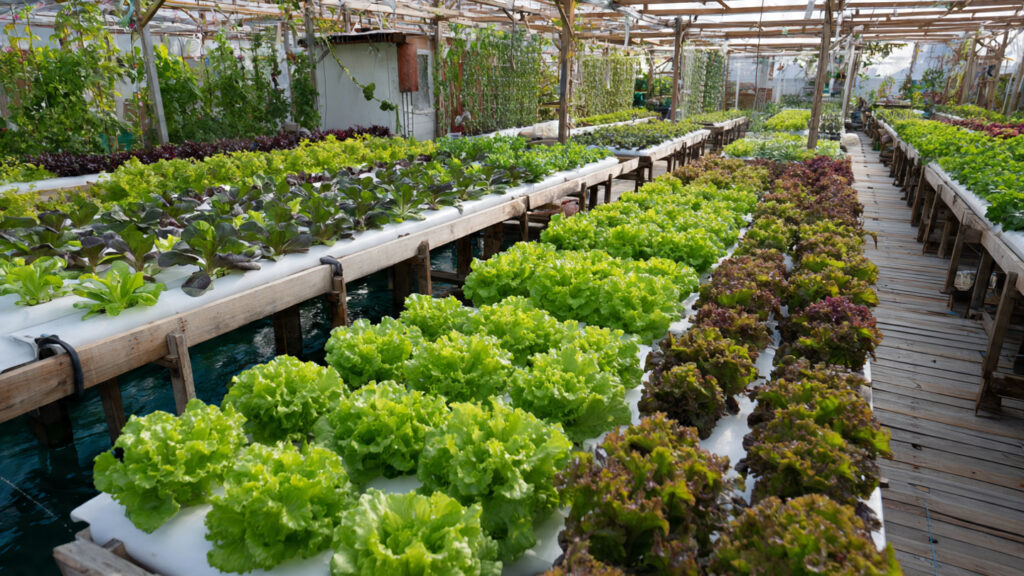
Urban living often comes with limited space for gardening, but that doesn’t mean you have to give up fresh, homegrown vegetables. Roof gardening has emerged as an innovative solution, allowing city dwellers to grow abundant produce without traditional garden plots. In 2026, modern techniques and smart design make rooftop vegetable gardens more efficient, productive, and surprisingly easy. With the right approach, you can transform your rooftop into a high-yield vegetable paradise.
This guide will explore the easiest ways to grow vegetables on your roof, from planning and preparation to planting, maintenance, and harvesting.
Why Rooftop Gardening Is a Smart Choice
Rooftop gardens are not just aesthetically pleasing—they offer numerous practical benefits:
- Maximizes Space: In cities, available land is limited. Rooftops are an untapped resource for growing vegetables.
- Improves Air Quality: Plants absorb carbon dioxide and release oxygen, making your urban environment healthier.
- Temperature Regulation: A rooftop garden reduces heat absorption, keeping buildings cooler in summer.
- Reduced Food Costs: Fresh, homegrown vegetables save money and reduce grocery trips.
- Stress Relief: Gardening on a roof provides a peaceful, green space to unwind and connect with nature.
With proper planning and simple techniques, even beginners can achieve a high-yield rooftop vegetable garden.
Step 1: Assess Your Rooftop
Before planting, evaluate your rooftop for suitability:
- Weight Capacity: Ensure the structure can support the additional weight of soil, containers, and water. Consult a structural engineer if necessary.
- Sunlight Exposure: Most vegetables require at least 6–8 hours of direct sunlight per day. Identify sunny spots for maximum growth.
- Water Access: Set up an easy water supply, like a hose connection or drip irrigation system.
- Wind Protection: Rooftops can be windy. Consider using windbreaks, screens, or taller plants to shield tender vegetables.
Step 2: Choose the Right Containers
The easiest way to grow vegetables on a roof is in containers. Selecting the right containers ensures healthy plants and high yields:
- Size Matters: Deep containers (12–18 inches) allow root vegetables like carrots and radishes to thrive. Shallow containers work for leafy greens.
- Material: Plastic, fabric grow bags, and lightweight pots are ideal for rooftops—they are durable and easy to move.
- Drainage: Ensure each container has proper drainage holes to prevent waterlogging.
Step 3: Select High-Yield Vegetables
Some vegetables perform exceptionally well in container and rooftop gardens. Choosing high-yield crops maximizes your harvest:
- Leafy Greens: Lettuce, spinach, kale, and Swiss chard grow quickly and can be harvested multiple times.
- Tomatoes: Determinate and indeterminate varieties are great for containers. Indeterminate types continue producing throughout the season.
- Peppers: Bell peppers, chili peppers, and other compact varieties thrive in containers.
- Cucumbers: Bush or container-specific varieties are ideal for rooftop gardens.
- Herbs: Basil, parsley, mint, and cilantro grow rapidly and take up minimal space.
Step 4: Use Lightweight, Nutrient-Rich Soil
The soil you use on a rooftop should be light yet fertile:
- Potting Mix: Use a commercial potting mix or make your own blend with peat moss, perlite, and compost.
- Avoid Garden Soil: Heavy soil can strain your roof’s structure and compact easily, limiting root growth.
- Enrich with Fertilizers: Incorporate slow-release organic fertilizer or mix liquid nutrients to ensure consistent growth.
Step 5: Optimize Planting Techniques
High-yield rooftop gardens require smart planting strategies:
- Companion Planting: Grow compatible plants together. For example, basil near tomatoes improves growth and flavor while repelling pests.
- Succession Planting: Sow new seeds every few weeks to maintain a continuous harvest.
- Vertical Gardening: Use trellises, cages, or wall-mounted planters to save space and increase yield, especially for cucumbers, peas, and tomatoes.
- Square Foot Gardening: Divide containers into small sections to maximize planting density and minimize wasted space.
Step 6: Watering and Irrigation
Proper watering is essential for rooftop vegetable gardens:
- Consistent Moisture: Containers dry out faster than garden soil. Water regularly to keep soil evenly moist but not soggy.
- Drip Irrigation: Automated drip systems are perfect for rooftops—they save time, reduce water waste, and prevent overwatering.
- Mulching: Apply a layer of mulch on top of containers to retain moisture and prevent soil from drying quickly under direct sun.
Step 7: Protect Against Pests and Diseases
Even rooftop gardens are not immune to pests. Prevent problems early for maximum yield:
- Physical Barriers: Use netting or row covers to protect plants from birds and insects.
- Natural Predators: Encourage beneficial insects like ladybugs and predatory wasps.
- Organic Sprays: Neem oil or soapy water can control common pests without harming plants.
- Cleanliness: Remove dead leaves and debris to prevent fungal growth.
Step 8: Provide Support for Climbing Plants
Vegetables like tomatoes, cucumbers, and beans require support to grow upright:
- Trellises: Lightweight metal or wooden trellises keep vines organized and improve air circulation.
- Cages: Tomato cages or DIY bamboo structures provide stability for heavy fruit.
- Strings or Netting: Vertical systems allow climbing plants to maximize vertical space.
Step 9: Fertilize for Continuous Growth
Container plants rely on you for nutrients:
- Slow-Release Fertilizer: Mix into soil at planting for long-term feeding.
- Liquid Fertilizer: Apply every 2–4 weeks during the growing season to boost leaf and fruit production.
- Compost Tea: Provides organic nutrients and supports healthy soil microbes.
Regular feeding ensures lush growth and high yields.
Step 10: Harvesting Tips
Proper harvesting encourages ongoing production:
➡️ How to Grow Malabar Spinach from Cuttings for Fast, Easy Greens
➡️ How to Grow Super Delicious Cabbage at Home Without a Garden
➡️ How to Grow Bean Sprouts at Home in Plastic Bottles Easily (Step‑by‑Step Guide)
➡️ Why is Your Lemon Tree Blooming in the Heart of Winter?
➡️ Why Should Your Garden Have a Dedicated Pollinator Highway?
➡️ Why Do Your Fruit Trees Need a Winter Wash to Thrive in Spring?
➡️ How Can Rice Water Transform Your Fruits into Sweeter Delights?
➡️ Jumpstart Your Winter Garden: Seed Starting Under Lights
- Leafy Greens: Harvest outer leaves first to allow inner leaves to grow.
- Fruiting Vegetables: Pick tomatoes, peppers, and cucumbers when ripe to stimulate new fruit production.
- Herbs: Trim regularly to encourage bushier growth.
Frequent harvesting keeps plants productive and prevents overcrowding in containers.
Additional Tips for a High-Yield Rooftop Garden
- Rotate Crops: Rotate vegetables in containers each season to reduce disease buildup.
- Sunlight Adjustment: Move containers periodically if some areas receive more sun than others.
- Wind Protection: Use screens, trellises, or taller plants to shield tender crops from strong winds.
- Record-Keeping: Track planting dates, harvests, and fertilizer schedules to optimize future yields.
- Energy Efficiency: Combine rooftop gardening with rainwater harvesting or solar-powered irrigation for sustainability.
Common Challenges and Solutions
- Weight Load: Use lightweight soil, containers, and vertical systems to prevent structural stress.
- High Temperatures: Provide shade with mesh covers or umbrellas during hot afternoons.
- Limited Space: Implement vertical gardening, succession planting, and compact plant varieties.
- Water Management: Use drip irrigation, mulch, and water-retentive soil to reduce watering frequency.
Why Rooftop Gardening Works in 2026
Advances in container design, lightweight soil mixes, and urban gardening technology make rooftop vegetable gardening easier and more productive than ever. In 2026, many urban gardeners are combining hydroponics, vertical planters, and smart irrigation systems to maximize yield in small spaces. These innovations allow you to grow abundant, healthy vegetables without traditional garden plots.
Rooftop gardens are no longer a luxury—they’re a practical, sustainable solution for modern city living. They reduce your carbon footprint, improve air quality, and provide fresh, organic vegetables year-round.
Final Thoughts
Growing vegetables on your rooftop is easier than most people think. By selecting the right containers, nutrient-rich soil, high-yield vegetables, and efficient watering systems, you can achieve a productive garden even in limited space. Incorporating vertical gardening, succession planting, and proper fertilization will ensure your rooftop garden remains lush, vibrant, and continually productive.
With careful planning, consistent care, and smart planting strategies, your rooftop can transform into a high-yield vegetable haven. Whether you’re harvesting leafy greens, juicy tomatoes, or fragrant herbs, rooftop gardening in 2026 offers a sustainable, rewarding, and enjoyable way to grow your own food—right above your head.