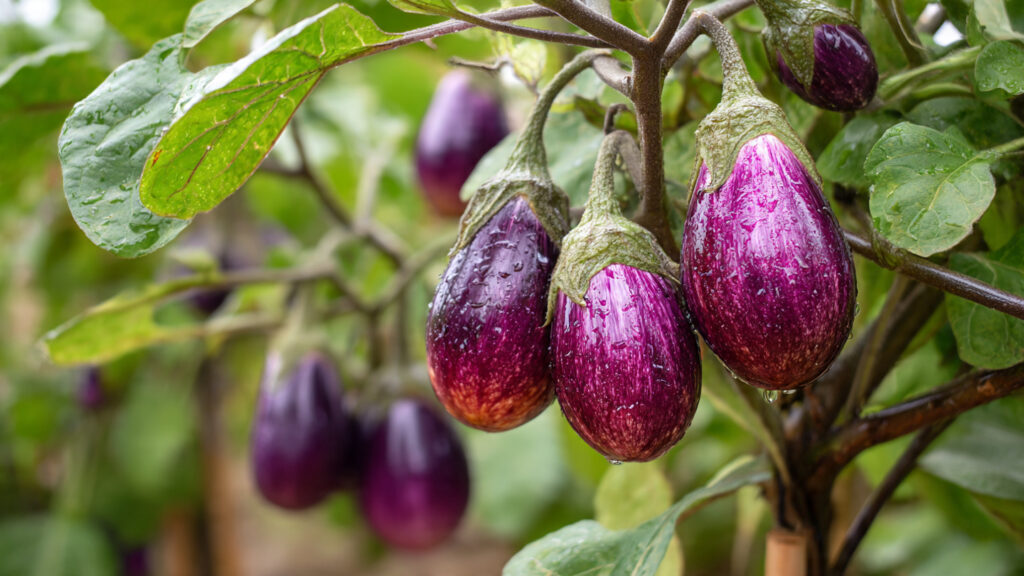
Growing eggplant at home may seem like something that requires a spacious backyard or a traditional vegetable plot. But the truth is, you can successfully grow abundant, healthy eggplants even if you live in an apartment or have no garden space at all. With the right containers, proper care, and a few smart techniques, you can enjoy a steady harvest of glossy, flavorful fruits right from your balcony, terrace, or even a sunny window.
Eggplant, scientifically known as Solanum melongena, is a warm-season vegetable that belongs to the nightshade family. It is closely related to tomatoes and peppers, and it thrives in warm temperatures and bright sunlight. The good news is that eggplants adapt extremely well to container gardening, making them ideal for small-space growers.
If you’ve always wanted to grow your own eggplant but thought you needed a large garden, this guide will show you how to do it easily — and how to maximize your yield for many fruits.
Why Grow Eggplant in Containers?
Growing eggplant in containers offers several advantages:
- Perfect for small spaces like balconies and rooftops
- Easier control over soil quality
- Fewer weeds
- Better pest monitoring
- Portable plants you can move to follow the sun
Container gardening also allows you to create the ideal growing conditions, which directly increases fruit production.
Choosing the Right Variety
When growing without a garden, selecting the right variety is crucial. Compact or dwarf eggplant varieties perform best in containers because they have smaller root systems and manageable growth habits.
Look for varieties labeled as:
- Patio eggplant
- Dwarf eggplant
- Compact hybrid types
These varieties still produce plenty of fruits but require less space and support.
Selecting the Best Container
Eggplants need room for their roots to expand. Choose a container that is:
- At least 12–14 inches deep
- 12 inches wide minimum
- With drainage holes at the bottom
Larger containers (5-gallon pots) produce better yields because the soil retains moisture more consistently and roots have space to grow. Fabric grow bags, plastic pots, or even recycled buckets can work as long as drainage is adequate.
Preparing the Perfect Soil Mix
Healthy soil equals healthy harvest.
Eggplants prefer:
- Well-draining soil
- Rich organic matter
- Slightly acidic to neutral pH (6.0–7.0)
A good container mix includes:
- 40% high-quality potting mix
- 30% compost
- 20% coco peat
- 10% perlite or sand for drainage
Avoid heavy garden soil, as it compacts easily and restricts root growth in containers.
Starting from Seeds or Seedlings
You can grow eggplant from seeds or buy healthy nursery seedlings.
➡️ How to Grow Malabar Spinach from Cuttings for Fast, Easy Greens
➡️ How to Grow Super Delicious Cabbage at Home Without a Garden
➡️ How to Grow Bean Sprouts at Home in Plastic Bottles Easily (Step‑by‑Step Guide)
➡️ Why is Your Lemon Tree Blooming in the Heart of Winter?
➡️ Why Should Your Garden Have a Dedicated Pollinator Highway?
➡️ Why Do Your Fruit Trees Need a Winter Wash to Thrive in Spring?
➡️ How Can Rice Water Transform Your Fruits into Sweeter Delights?
➡️ Jumpstart Your Winter Garden: Seed Starting Under Lights
Starting from Seeds
- Sow seeds ¼ inch deep in seed trays
- Keep soil warm (around 24–30°C)
- Germination usually takes 7–14 days
Transplant seedlings when they have 4–5 true leaves.
Using Seedlings
This is faster and ideal for beginners. Choose plants with:
- Strong stems
- Bright green leaves
- No signs of pests
Sunlight: The Key to High Yield
Eggplants love heat and sun. For maximum fruit production, they need:
- At least 6–8 hours of direct sunlight daily
If growing on a balcony, place pots where they receive maximum light exposure. If sunlight shifts, rotate containers every few days to ensure even growth.
Without enough sunlight, plants may grow leaves but produce fewer fruits.
Watering the Right Way
Consistent moisture is essential for fruit development.
- Water deeply when the top inch of soil feels dry
- Avoid overwatering
- Ensure proper drainage
Uneven watering can cause:
- Blossom drop
- Small fruits
- Bitter taste
Mulching the top of the container with dry leaves or straw helps retain moisture and regulate soil temperature.
Feeding for Maximum Fruit Production
Eggplants are heavy feeders. To boost yield:
- Add compost every 3–4 weeks
- Use a balanced liquid fertilizer (10-10-10 or organic alternative) every 2 weeks
- Once flowering begins, switch to fertilizer higher in potassium
Banana peel compost tea is an excellent natural potassium booster that encourages flowering and fruiting.
Supporting the Plant
Even compact varieties can become heavy with fruits. Insert a small stake or bamboo stick into the container and tie the main stem gently for support. This prevents bending or breakage.
Proper support also improves airflow, reducing disease risk.
Pollination Tips for More Fruits
Eggplants are self-pollinating, but container plants may need help, especially if grown indoors or on high balconies.
To improve pollination:
- Gently shake the plant during flowering
- Use a soft brush to transfer pollen between flowers
This simple action can significantly increase fruit set.
Pruning for Better Yield
Pruning helps the plant focus energy on fruit production rather than excess foliage.
- Remove yellow or damaged leaves
- Trim lower leaves touching the soil
- Pinch early flowers until plant grows 8–10 inches tall
This encourages stronger root and stem development, leading to heavier harvests later.
Common Problems and Easy Solutions
1. Flowers Falling Off
Cause: Temperature stress or inconsistent watering
Solution: Maintain steady moisture and protect from extreme heat
2. Small Fruits
Cause: Poor nutrition
Solution: Increase feeding, especially potassium
3. Pests (Aphids, Spider Mites)
Solution:
- Spray neem oil weekly
- Wash leaves with mild soap solution
Regular inspection prevents major infestations.
Harvesting at the Right Time
Eggplants are ready to harvest when:
- Skin looks glossy and smooth
- Fruit feels firm
- Size matches variety description
Do not wait too long. Overripe fruits become dull and develop tough seeds.
Use clean scissors or pruning shears to cut fruits, leaving a small stem attached.
Frequent harvesting encourages the plant to produce more fruits.
Extending the Growing Season
Eggplants thrive in warm weather but slow down when temperatures drop below 15°C.
If you want a longer harvest:
- Move containers indoors during cold nights
- Use protective covers
- Place pots near walls that retain warmth
In tropical climates, eggplants can produce continuously for many months.
How Many Fruits Can One Plant Produce?
With proper care, one healthy container-grown eggplant can produce:
- 8–15 large fruits
- Or 20+ smaller fruits (depending on variety)
The secret lies in:
- Adequate sunlight
- Regular feeding
- Consistent watering
- Timely harvesting
When these conditions are met, yields can be surprisingly high — even without a garden.
Creative Space-Saving Ideas
If you have very limited space:
- Grow vertically using stacked planters
- Use railing planters
- Place pots on tiered shelves
- Combine eggplants with companion herbs like basil
Companion planting can also reduce pests naturally.
Why Growing Eggplant at Home Is Worth It
Homegrown eggplants taste fresher, richer, and more flavorful than store-bought ones. You control the soil, avoid harmful chemicals, and harvest at peak ripeness.
Beyond food, growing eggplants offers:
- Stress relief
- A sense of achievement
- Sustainable living practices
- Reduced grocery expenses
Even without a garden, you can enjoy a productive mini farm right at home.
Final Thoughts
Growing Solanum melongena at home without a garden is not only possible — it’s surprisingly simple. With containers, good soil, plenty of sunlight, and regular care, you can harvest abundant, beautiful fruits throughout the season.
You don’t need acres of land to grow your own food. A sunny balcony, a few pots, and the right techniques are more than enough to turn small spaces into high-yield eggplant gardens.