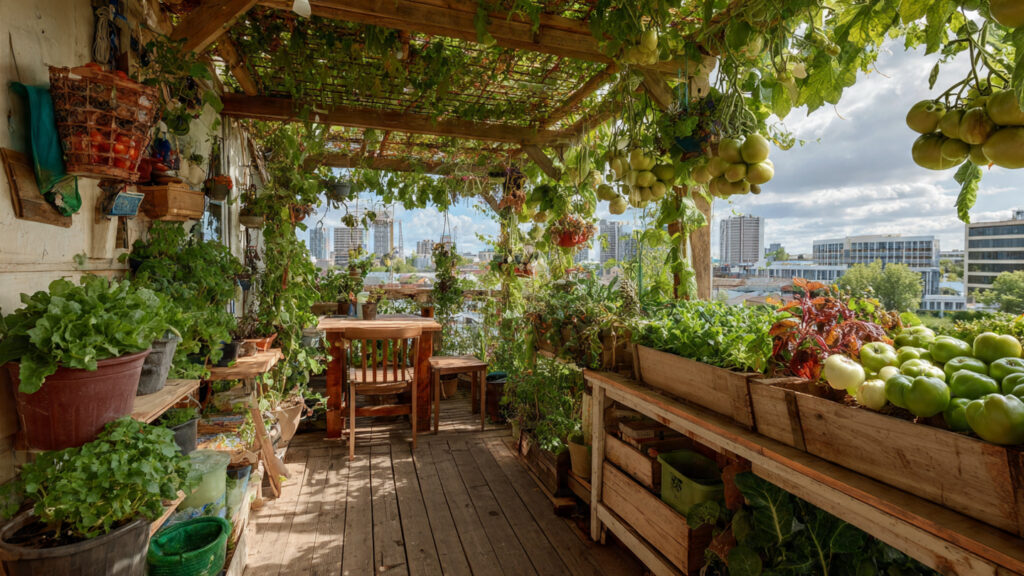
In today’s fast-paced urban lifestyle, space is often the biggest challenge for families who want to grow their own food. But what if your unused rooftop could become a lush vegetable garden, providing fresh produce for your household? Rooftop gardening is not just a sustainable solution—it’s also a practical and rewarding way to improve your family’s health, save money, and connect with nature.
From leafy greens to tomatoes, cucumbers, and herbs, growing vegetables on the roof can easily supply your family with nutritious food while making the most of otherwise unused space. Here’s a comprehensive guide on how to start and maintain a rooftop vegetable garden that truly benefits your family.
1. The Benefits of Rooftop Vegetable Gardening
Before diving into planting, it’s important to understand why rooftop gardening is an excellent choice for families:
- Fresh, Nutritious Produce: Nothing beats vegetables picked fresh from your own garden. Rooftop gardens provide pesticide-free, nutrient-rich food for your family.
- Cost Savings: Growing your own vegetables reduces grocery bills significantly, especially for leafy greens, herbs, and seasonal produce.
- Utilizing Unused Space: Rooftops often remain idle, making them perfect for converting into productive gardens.
- Improved Air Quality and Insulation: Plants help filter air and can reduce rooftop heat, lowering indoor temperatures.
- Family Engagement: Gardening together fosters teamwork, teaches children about food, and encourages healthy eating habits.
With these benefits, rooftop gardening is more than a hobby—it’s a lifestyle change that supports your family’s well-being.
2. Planning Your Rooftop Vegetable Garden
Planning is key to a successful rooftop garden. Here’s what to consider:
Assess the Roof
- Weight Capacity: Ensure your roof can handle the weight of soil, containers, and plants. Lightweight growing media like coco peat or perlite can reduce load.
- Sunlight: Most vegetables require 6–8 hours of sunlight daily. Identify sunny spots for maximum growth.
- Water Access: Install a tap or water storage solution for convenient irrigation.
Choose Containers
- Pots and Planters: Use lightweight pots, troughs, or grow bags.
- Raised Beds: Great for larger vegetables like tomatoes, peppers, or eggplants.
- Vertical Gardening: Use trellises, hanging pots, or wall-mounted planters to maximize space.
Proper planning ensures your rooftop garden is productive, safe, and easy to maintain.
3. Selecting Vegetables for Your Rooftop Garden
Choose vegetables that grow well in containers and tolerate rooftop conditions:
- Leafy Greens: Spinach, lettuce, kale, and Swiss chard grow quickly and can be harvested continuously.
- Fruiting Vegetables: Tomatoes, bell peppers, cucumbers, and chilies thrive in pots with proper support.
- Root Vegetables: Radishes, carrots, and beets grow well in deep containers.
- Herbs: Basil, mint, coriander, and parsley are easy to grow and enhance your meals.
Consider planting a mix of fast-growing crops and slower-maturing vegetables to ensure a steady supply of food throughout the season.
4. Preparing the Soil and Containers
Healthy soil is crucial for strong, productive plants.
- Lightweight Potting Mix: Mix compost, coco peat, perlite, and vermiculite for a nutrient-rich, lightweight soil.
- Drainage: Ensure containers have holes to prevent waterlogging. Excess water can damage roots and reduce yield.
- Fertilization: Incorporate organic fertilizers like compost, worm castings, or liquid manure to boost growth.
Well-prepared soil provides the foundation for a thriving rooftop vegetable garden.
5. Planting Techniques
Planting properly helps vegetables grow quickly and yield more produce:
- Seedlings vs. Seeds: Start with seedlings for faster results, or sow seeds directly in containers for a larger variety.
- Spacing: Avoid overcrowding by following recommended spacing for each vegetable. This improves airflow and reduces disease risk.
- Support Structures: Use trellises, cages, or stakes for climbing vegetables like beans, tomatoes, and cucumbers.
Following proper planting techniques maximizes your garden’s productivity and ensures healthy, strong plants.
6. Watering and Maintenance
Rooftop gardens require regular attention to thrive:
- Consistent Watering: Vegetables in containers dry out faster, so water daily or as needed, especially during hot weather.
- Mulching: Apply organic mulch to retain soil moisture, prevent weeds, and regulate soil temperature.
- Pruning and Pinching: Remove dead leaves and trim plants like tomatoes to encourage fruiting.
- Pest Management: Use organic methods like neem oil, companion planting, or insecticidal soap to manage pests.
Regular maintenance ensures vegetables stay healthy, and your family enjoys a continuous harvest.
7. Harvesting Vegetables for the Family
The reward for your hard work comes in fresh, flavorful produce:
➡️ How to Grow Malabar Spinach from Cuttings for Fast, Easy Greens
➡️ How to Grow Super Delicious Cabbage at Home Without a Garden
➡️ How to Grow Bean Sprouts at Home in Plastic Bottles Easily (Step‑by‑Step Guide)
➡️ Why is Your Lemon Tree Blooming in the Heart of Winter?
➡️ Why Should Your Garden Have a Dedicated Pollinator Highway?
➡️ Why Do Your Fruit Trees Need a Winter Wash to Thrive in Spring?
➡️ How Can Rice Water Transform Your Fruits into Sweeter Delights?
➡️ Jumpstart Your Winter Garden: Seed Starting Under Lights
- Leafy Greens: Harvest outer leaves regularly to encourage new growth.
- Fruiting Vegetables: Pick fruits when they reach full size and color for the best taste.
- Root Vegetables: Harvest carrots, radishes, and beets when roots are mature but tender.
Harvesting at the right time ensures your family gets the best flavor, nutrition, and freshness from your garden.
8. Maximizing Yield on a Rooftop
To make the most of your rooftop garden:
- Vertical Gardening: Grow beans, cucumbers, and tomatoes vertically to save space.
- Succession Planting: Plant new seeds every few weeks to maintain a continuous harvest.
- Intercropping: Mix fast-growing vegetables with slower ones to maximize space and yield.
- Container Rotation: Rotate vegetables to prevent soil depletion and improve productivity.
These strategies make rooftop gardening efficient, ensuring your family enjoys a steady supply of fresh vegetables.
9. Educational and Health Benefits
Rooftop gardening also brings lifestyle benefits:
- Healthy Eating: Fresh vegetables encourage nutritious meals and reduce dependency on processed foods.
- Family Learning: Children learn about plant growth, nutrition, and environmental sustainability.
- Stress Relief: Gardening reduces stress and promotes mental well-being.
It’s not just about food—it’s a holistic activity that enriches your family’s life.
10. Overcoming Challenges of Rooftop Gardening
While rooftop gardening is rewarding, it comes with challenges:
- Wind Exposure: Use windbreaks or fences to protect plants from strong winds.
- High Temperatures: Provide shade cloth during hot afternoons to prevent wilting.
- Limited Water Supply: Install drip irrigation or water storage tanks for consistent hydration.
- Weight Limitations: Use lightweight soil and containers to avoid structural issues.
By planning ahead, these challenges can be managed effectively, making rooftop gardening accessible to almost any household.
Bonus Tips for Successful Rooftop Gardening
- Start Small: Begin with a few containers and expand gradually.
- Choose Fast-Growing Vegetables: Lettuce, radishes, and herbs provide quick harvests.
- Use Recycled Materials: Plastic bottles, old buckets, or wooden crates can serve as containers.
- Composting: Turn kitchen scraps into nutrient-rich compost to feed your garden sustainably.
These tips make it easy to grow a thriving rooftop vegetable garden, even with limited experience.
Conclusion
Rooftop vegetable gardening is a practical, sustainable, and rewarding way to provide fresh food for your family. By utilizing otherwise unused space, planning carefully, and following simple planting, watering, and maintenance techniques, you can create a lush garden full of nutritious vegetables.
From leafy greens to tomatoes, herbs, and root vegetables, your rooftop garden can supply your family with fresh, healthy, and cost-effective produce all year round. Beyond food, rooftop gardening teaches valuable lessons, promotes healthy eating, and strengthens family bonds while contributing to a greener, more sustainable urban environment.
Start today, and discover how easy it is to grow vegetables on the roof—providing for your family, one harvest at a time.