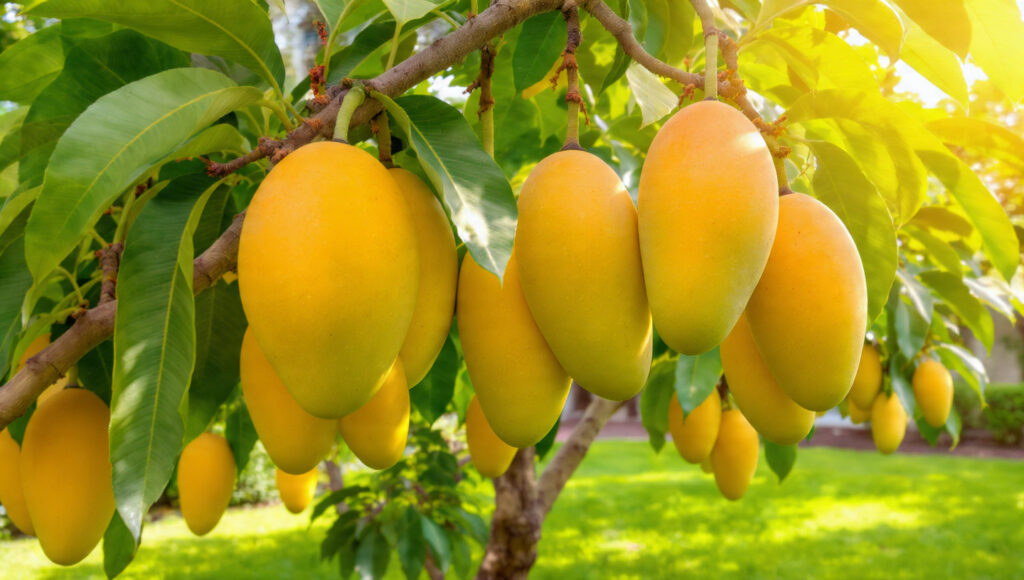
There’s something incredibly satisfying about growing fruit at home—especially when it’s very delicious to eat, easy to grow, and produces a lot of fruit. If you’re looking for the perfect plant that checks all three boxes, strawberries are hard to beat. Sweet, juicy, and surprisingly simple to cultivate, strawberries are one of the most rewarding fruits for beginners and experienced gardeners alike.
Whether you have a spacious backyard, a small balcony, or just a sunny windowsill, strawberries can thrive almost anywhere. Let’s explore why this amazing fruit deserves a place in your home garden and how you can grow it successfully for a generous harvest.
Why Strawberries Are the Ideal Homegrown Fruit
Strawberries are beloved around the world for their bright red color, irresistible aroma, and perfect balance of sweetness and slight tartness. They can be eaten fresh, blended into smoothies, added to desserts, or turned into jams and sauces. But beyond their flavor, strawberries are incredibly practical to grow.
Here’s why they stand out:
- They grow quickly and start producing fruit within a few months.
- They don’t require deep soil or large garden beds.
- They adapt well to containers, hanging baskets, and vertical gardens.
- They produce runners, allowing you to multiply plants easily.
- They offer high yields in a small space.
With the right care, a few plants can provide bowls of fresh fruit throughout the season.
Choosing the Right Strawberry Variety
Strawberries generally fall into three main types:
- June-bearing varieties – Produce one large harvest per year, usually in early summer.
- Everbearing varieties – Produce two to three harvests throughout the growing season.
- Day-neutral varieties – Produce fruit continuously as long as temperatures remain moderate.
For home gardeners who want steady production, everbearing or day-neutral varieties are excellent choices. They allow you to enjoy fruit over a longer period instead of all at once.
Growing Conditions for Sweet and Abundant Fruit
Strawberries are relatively low-maintenance, but giving them the right conditions will significantly improve both flavor and yield.
1. Sunlight
Strawberries love sunlight. Aim for at least 6–8 hours of direct sunlight daily. More sun typically means sweeter fruit. If growing indoors, place them near a south-facing window or use grow lights.
2. Soil
Well-draining soil is essential. Strawberries dislike sitting in water, which can cause root rot. Use loose, fertile soil enriched with compost. Slightly acidic soil (pH 5.5–6.8) is ideal.
For container gardening, use high-quality potting mix and ensure your pots have drainage holes.
3. Watering
Keep the soil consistently moist but not soggy. Water deeply when the top inch of soil feels dry. Avoid wetting the leaves and fruit to reduce fungal diseases.
Mulching with straw or dry leaves helps retain moisture and keeps fruit clean.
4. Fertilizing
Strawberries benefit from balanced fertilizer during their growing season. Apply compost or organic fertilizer every few weeks for strong growth and fruit production. Avoid over-fertilizing, as too much nitrogen encourages leaves rather than fruit.
Growing Strawberries in Small Spaces
One of the biggest advantages of strawberries is their flexibility. You don’t need a large garden to enjoy a generous harvest.
➡️ How to Grow Malabar Spinach from Cuttings for Fast, Easy Greens
➡️ How to Grow Super Delicious Cabbage at Home Without a Garden
➡️ How to Grow Bean Sprouts at Home in Plastic Bottles Easily (Step‑by‑Step Guide)
➡️ Why is Your Lemon Tree Blooming in the Heart of Winter?
➡️ Why Should Your Garden Have a Dedicated Pollinator Highway?
➡️ Why Do Your Fruit Trees Need a Winter Wash to Thrive in Spring?
➡️ How Can Rice Water Transform Your Fruits into Sweeter Delights?
➡️ Jumpstart Your Winter Garden: Seed Starting Under Lights
Containers and Pots
Strawberries grow beautifully in pots. Choose containers that are at least 6–8 inches deep. You can plant multiple plants in larger containers, spacing them about 8–12 inches apart.
Hanging Baskets
Hanging baskets are perfect for strawberries. The fruit hangs freely, stays clean, and is less vulnerable to pests.
Vertical Gardens
Stacked planters or vertical bottle gardens maximize space and increase yield. This method works especially well for balconies and patios.
Raised Beds
If you have backyard space, raised beds offer excellent drainage and easy maintenance. Strawberries spread naturally, filling the bed with productive plants.
Planting and Care Tips for High Yields
To ensure your strawberry plants produce plenty of fruit, follow these simple tips:
Remove Early Flowers (First Year)
If planting new strawberry plants, pinch off the first few flowers. This allows the plant to establish strong roots, leading to heavier production later.
Manage Runners
Strawberries produce runners—long stems that form new baby plants. If you want more plants, allow some runners to root. If you want bigger fruit on the main plant, trim excess runners so energy goes into fruit production.
Protect from Pests
Birds love strawberries as much as we do. Use netting if necessary. Check regularly for slugs and insects and remove them naturally when possible.
Keep Fruit Clean
Mulching under the plants prevents fruit from touching soil, reducing rot and keeping berries cleaner.
When and How to Harvest
Strawberries are ready to harvest when they are fully red and slightly soft to the touch. Unlike some fruits, strawberries do not ripen after picking, so wait until they are completely colored.
Pick them gently by holding the stem and twisting lightly. Harvest every two to three days during peak season to encourage continuous production.
Fresh strawberries taste best when eaten immediately. However, they can also be refrigerated for a few days or frozen for long-term storage.
Health Benefits of Strawberries
Besides being delicious, strawberries are packed with nutrients:
- High in vitamin C
- Rich in antioxidants
- Good source of fiber
- Low in calories
- Support heart health
Growing your own ensures they are fresh and free from harmful chemicals, especially if you use organic methods.
Extending the Growing Season
If you live in a region with mild winters, strawberries can produce for much of the year. In cooler climates, you can extend the season by:
- Using row covers to protect from frost
- Moving container plants indoors during cold spells
- Growing in greenhouses or covered spaces
In many regions, strawberries are grown as perennials, producing for 3–4 years before yields decline.
Renewing Plants for Continuous Production
After a few years, strawberry plants may become less productive. Replace older plants with new ones grown from runners to maintain strong yields.
Rotating planting areas every few years also helps prevent soil diseases.
Why Homegrown Strawberries Taste Better
Store-bought strawberries are often picked early to survive transportation. Homegrown berries ripen fully on the plant, developing deeper sweetness and richer aroma.
The difference in flavor is noticeable from the first bite. Warm from the sun, freshly picked strawberries are one of the simplest pleasures of gardening.
Perfect for Families and Beginners
Strawberries are especially wonderful for families. Children love watching the flowers turn into tiny green berries, then into bright red fruit ready to eat. It’s an engaging way to teach gardening and healthy eating habits.
For beginners, strawberries provide quick results and visible rewards. Even with minimal experience, you can enjoy success.
A Fruit That Truly Gives Back
When you choose strawberries for your home garden, you’re choosing a plant that is:
- Very delicious to eat
- Easy to grow
- Highly productive
- Suitable for small spaces
- Beautiful and ornamental
- Nutritious and healthy
Few fruits offer such a perfect combination of taste, simplicity, and abundance.
Final Thoughts
If you’ve been thinking about growing your own fruit but felt unsure where to start, strawberries are the ideal choice. With basic care, adequate sunlight, and consistent watering, you’ll soon enjoy baskets full of sweet, juicy berries right from your home.
They don’t demand much, yet they reward generously. From balconies to backyards, strawberries prove that you don’t need a large farm to grow something incredibly delicious and productive.
Plant a few today, nurture them with care, and soon you’ll experience the joy of harvesting fruit that is truly very delicious to eat, easy to grow, and produces a lot of fruit.