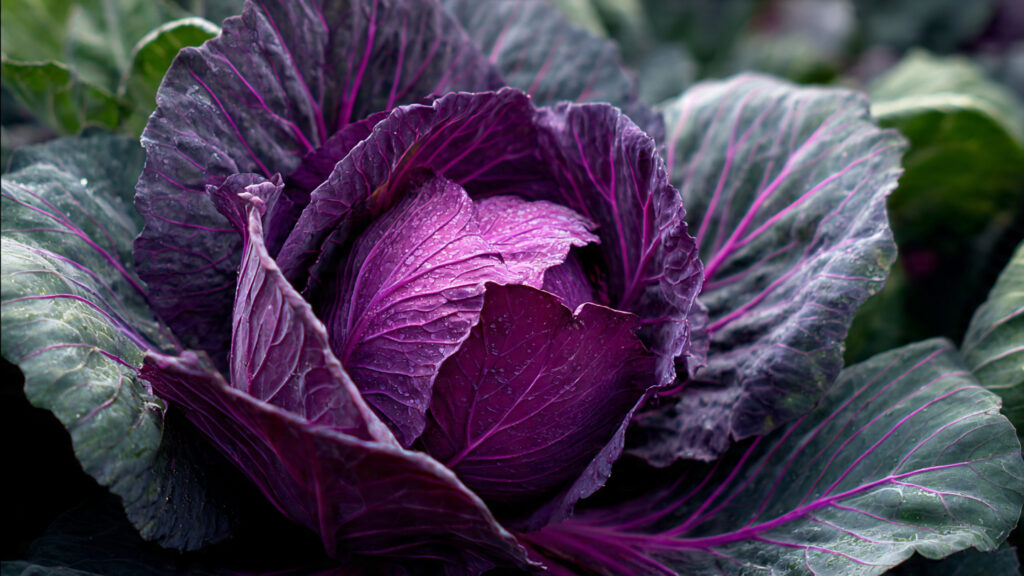
Purple cabbage, also known as red cabbage, is not only visually stunning but also packed with flavor and nutrients. Its deep purple leaves add a vibrant touch to salads, stir-fries, and fermented dishes like sauerkraut. Growing specialty purple cabbage at home is easier than many gardeners think, and it allows you to enjoy fresh, flavorful, and chemical-free cabbage straight from your backyard or balcony garden.
In this complete guide, we’ll walk you through everything you need to know—from selecting the right variety to harvesting and storing your crop.
Why Grow Purple Cabbage at Home?
Growing your own purple cabbage offers several advantages:
- Superior flavor: Homegrown cabbage is fresher and tastier than store-bought options.
- Nutrient-rich: Purple cabbage is high in vitamins C, K, and antioxidants, particularly anthocyanins, which give it its vibrant color.
- Pesticide-free: By growing at home, you control what goes into your soil and plants, ensuring chemical-free produce.
- Cost-effective: Specialty purple cabbage can be expensive at grocery stores, but growing it at home reduces costs and ensures a steady supply.
Whether you’re a beginner or an experienced gardener, growing purple cabbage can be a rewarding and visually striking addition to your garden.
Choosing the Right Variety
Specialty purple cabbage comes in several varieties, each with unique characteristics. Choosing the right type depends on your growing space, climate, and culinary goals.
Popular varieties include:
- Red Express: Quick-growing and compact, perfect for small gardens or container gardening.
- Ruby Ball: Produces firm, dense heads with excellent flavor for salads and cooking.
- Kalibos: Known for large heads and a slightly sweet taste, ideal for fermenting.
- Red Drumhead: Traditional variety with robust flavor, perfect for long-term storage.
Selecting a variety suited to your climate and space ensures healthy plants and abundant harvests.
Preparing the Soil and Garden Bed
Purple cabbage thrives in nutrient-rich, well-draining soil. Proper preparation is essential for strong, healthy plants.
Soil preparation tips:
- Choose the right location: Purple cabbage prefers full sun (at least 6–8 hours daily).
- Soil pH: Aim for slightly acidic to neutral soil, with a pH of 6.0–7.5.
- Organic matter: Enrich the soil with compost, well-rotted manure, or organic fertilizers to provide essential nutrients.
- Spacing: Plant cabbage with at least 18–24 inches between heads to allow proper growth and airflow.
By preparing your soil carefully, you create optimal conditions for nutrient uptake and robust growth.
Starting from Seeds or Seedlings
Purple cabbage can be grown from seeds or seedlings, depending on your gardening approach.
Starting from seeds:
- Sow seeds indoors 6–8 weeks before the last frost date.
- Use seed trays with a light, well-draining soil mix.
- Keep the soil moist and provide plenty of sunlight or grow lights.
- Transplant seedlings outdoors when they are 4–6 weeks old and have developed 3–4 true leaves.
Starting from seedlings:
- Purchasing young plants from nurseries is convenient and accelerates the growing process.
- Harden off seedlings by gradually exposing them to outdoor conditions before planting.
Whether you start from seeds or seedlings, careful handling ensures healthy plants ready for transplantation.
Planting and Spacing
Proper planting techniques help prevent disease and encourage vigorous cabbage growth.
➡️ How to Grow Malabar Spinach from Cuttings for Fast, Easy Greens
➡️ How to Grow Super Delicious Cabbage at Home Without a Garden
➡️ How to Grow Bean Sprouts at Home in Plastic Bottles Easily (Step‑by‑Step Guide)
➡️ Why is Your Lemon Tree Blooming in the Heart of Winter?
➡️ Why Should Your Garden Have a Dedicated Pollinator Highway?
➡️ Why Do Your Fruit Trees Need a Winter Wash to Thrive in Spring?
➡️ How Can Rice Water Transform Your Fruits into Sweeter Delights?
➡️ Jumpstart Your Winter Garden: Seed Starting Under Lights
Planting tips:
- Dig holes slightly larger than the root ball of seedlings.
- Space plants 18–24 inches apart in rows 24–36 inches apart.
- Firm soil around the roots to eliminate air pockets and provide stability.
- Mulch around plants to retain moisture, suppress weeds, and regulate soil temperature.
Correct spacing improves airflow, reduces pest infestations, and promotes uniform head development.
Watering and Fertilization
Purple cabbage requires consistent moisture to produce firm, crisp heads.
Watering tips:
- Provide 1–1.5 inches of water per week, either from rainfall or supplemental watering.
- Water deeply at the base to encourage strong root growth.
- Avoid overhead watering to reduce the risk of fungal diseases.
Fertilization:
- Side-dress plants with compost or balanced fertilizer (NPK 10-10-10) every 3–4 weeks.
- Nitrogen-rich fertilizers promote leafy growth, while phosphorus and potassium support head development and root strength.
Consistent care ensures healthy plants and flavorful cabbage.
Pest and Disease Management
Like all brassicas, purple cabbage is prone to pests and diseases. Early detection and preventive measures are key.
Common pests include:
- Cabbage worms and loopers: Use row covers or handpick larvae.
- Aphids: Spray with water or insecticidal soap to control infestations.
- Flea beetles: Use floating row covers and maintain clean garden beds.
Common diseases include:
- Black rot: Prevent by crop rotation and removing infected plants.
- Downy mildew: Ensure good airflow and avoid overhead watering.
- Clubroot: Maintain soil pH above 6.0 and rotate crops every 2–3 years.
By staying vigilant and using preventive measures, you can reduce crop loss and maintain healthy cabbage heads.
Harvesting Purple Cabbage
Harvesting at the right time ensures maximum flavor and texture.
When to harvest:
- Heads are firm, dense, and reach full size (6–8 inches for compact varieties; up to 10–12 inches for larger types).
- Outer leaves remain vibrant purple without yellowing or wilting.
How to harvest:
- Cut the head at the base with a sharp knife, leaving a few outer leaves for protection.
- Harvest in the morning when moisture content is high, which improves crispness.
- Regularly check for maturity, as delayed harvesting can reduce flavor and texture.
Proper harvesting techniques help maintain quality and encourage a potential second growth from side shoots in some varieties.
Storing Purple Cabbage
Purple cabbage stores well, making it ideal for prolonged use.
Storage tips:
- Refrigeration: Wrap heads in plastic or store in perforated bags in the crisper drawer.
- Cool, dark place: If not refrigerating, store in a root cellar or cool pantry for a few weeks.
- Fermentation: Make sauerkraut or pickled cabbage to extend shelf life and enjoy probiotic benefits.
Proper storage preserves the vibrant color, crunch, and nutritional content of your cabbage.
Culinary Uses of Specialty Purple Cabbage
Homegrown purple cabbage is versatile and adds both flavor and visual appeal to your dishes.
Popular uses include:
- Salads and slaws: Thinly sliced cabbage adds crunch and color.
- Stir-fries: Sauté with garlic, ginger, or soy sauce for a quick side dish.
- Fermentation: Make sauerkraut or kimchi for a tangy, probiotic-rich treat.
- Soups and stews: Adds texture and nutrients to hearty meals.
Freshly harvested cabbage ensures enhanced flavor, crunch, and nutritional value, elevating everyday meals.
Final Tips for Growing Specialty Purple Cabbage
- Choose the right variety suited to your climate and garden space.
- Prepare nutrient-rich, well-draining soil to encourage strong growth.
- Water consistently and fertilize regularly to maintain healthy plants.
- Protect against pests and diseases through preventive measures.
- Harvest at peak maturity for the best flavor and texture.
- Store or process cabbage promptly to preserve freshness.
By following these steps, you can enjoy super delicious, homegrown purple cabbage that rivals or surpasses store-bought options in both flavor and nutrition.
Final Thoughts
Growing specialty purple cabbage at home is a rewarding experience for gardeners of all levels. With its vibrant color, crisp texture, and rich nutritional profile, homegrown cabbage enhances both meals and the garden’s aesthetic appeal. By selecting the right variety, preparing your soil, managing pests, and harvesting at the right time, you can enjoy fresh, flavorful, and healthy purple cabbage all season long.
Whether you use it in salads, stir-fries, or fermented dishes, homegrown purple cabbage is a testament to the joys of gardening and the satisfaction of producing your own wholesome food. With patience, care, and attention to detail, you’ll soon have a thriving patch of specialty purple cabbage ready to delight your taste buds and brighten your table.