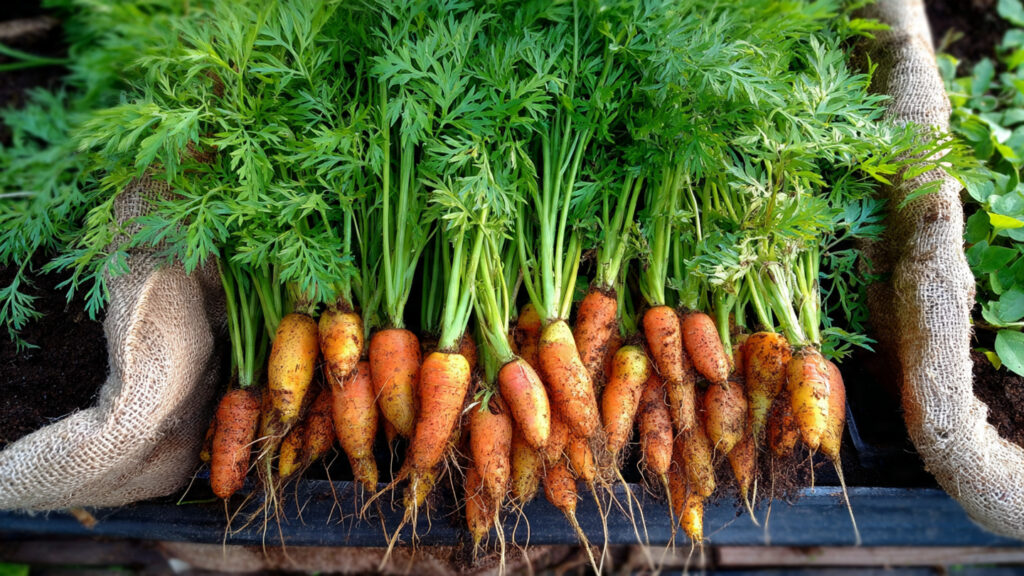
Growing carrots at home can be one of the most rewarding gardening experiences. Crunchy, sweet, and nutritious, carrots are a staple in kitchens worldwide, and the satisfaction of pulling fresh carrots from your own garden is unparalleled. Even if you have limited space, you can grow carrots at home successfully. In this beginner-friendly guide, I’ll share exactly how I grow carrots at home for a high yield, with simple techniques anyone can follow.
Why Grow Carrots at Home?
Homegrown carrots offer several advantages over store-bought ones:
- Freshness and Flavor: Carrots taste sweeter and have a more vibrant flavor when harvested fresh.
- Chemical-Free: You control the soil and can avoid pesticides or chemical fertilizers.
- Cost-Effective: Seeds are inexpensive, and containers or garden beds can be reused year after year.
- Educational and Fun: Carrot cultivation teaches patience, care, and plant biology—perfect for beginners or families.
With a little effort and proper guidance, you can enjoy a high-yield carrot harvest in just a few months.
Choosing the Right Carrot Variety
Selecting the right carrot variety is key to success, especially if you’re growing at home. Horticulturists recommend:
- Short or Medium Varieties: Perfect for container gardening, pots, or small garden beds. Examples include
Paris Market,Nantes, andChantenay. - Long Varieties: Suitable for deep garden beds. Examples include
DanversandImperator.
For beginners and home gardeners with limited space, medium or short varieties are ideal because they mature quickly and are easy to harvest without deep digging.
Preparing the Soil
Carrots are root vegetables, so loose, well-draining soil is essential for straight, healthy roots. Hard, compacted soil can result in stunted or forked carrots.
Soil Preparation Tips:
- Loosen the Soil: Remove rocks, sticks, and clumps to allow roots to grow freely.
- Add Organic Matter: Mix compost or well-rotted manure into the soil to provide nutrients and improve texture.
- Check pH: Carrots prefer slightly acidic to neutral soil (pH 6.0–7.0).
- Depth: Ensure the soil is at least 12 inches deep for medium varieties, more for longer carrots.
Good soil preparation is one of the most important steps for a high-yield carrot harvest.
Sowing Carrot Seeds
Carrot seeds are tiny, so care is needed during sowing. Here’s the step-by-step process:
- Planting Depth: Sow seeds ¼–½ inch deep in rows or scattered in containers.
- Spacing: Thin seedlings to 2–3 inches apart to allow room for root development. Overcrowding leads to small or misshapen carrots.
- Watering: Gently water after sowing to settle the soil, keeping it moist but not waterlogged.
- Covering Seeds: Lightly cover seeds with fine soil or vermiculite to maintain moisture.
Patience is key. Carrot seeds can take 10–21 days to germinate, depending on temperature and soil conditions.
Caring for Carrot Seedlings
Once seeds sprout, proper care ensures healthy growth and a high yield:
- Thinning: If seedlings are too close together, thin them to 2–3 inches apart. This prevents overcrowding and encourages straight roots.
- Watering: Carrots require consistent moisture. Water deeply once or twice a week, especially in dry conditions. Avoid splashing water directly on leaves to reduce fungal risks.
- Mulching: Apply a thin layer of organic mulch, such as straw or dried leaves, to retain moisture and regulate soil temperature.
- Fertilization: Carrots do not require heavy fertilization. Light feeding with a balanced organic fertilizer once a month supports healthy growth.
Consistent care during the seedling stage sets the foundation for a bountiful harvest.
Sunlight and Temperature Requirements
Carrots grow best in full sun with at least 6–8 hours of sunlight daily. However, they tolerate partial shade, especially in hotter climates.
Temperature Tips:
- Ideal growing temperature: 60–70°F (15–21°C).
- Cooler temperatures improve sweetness and root quality.
- Avoid extreme heat, which can cause flowering or tough roots.
For container-grown carrots, you can move the pot to a sunnier location or provide shade as needed.
Managing Pests and Diseases
Homegrown carrots are generally hardy, but they can be affected by pests or diseases if neglected. Horticulturists recommend:
- Carrot Fly: Protect seedlings with fine mesh or floating row covers.
- Aphids and Mites: Spray with mild soapy water or neem oil if infestations appear.
- Fungal Issues: Ensure proper spacing and avoid overwatering to prevent fungal diseases like leaf blight or root rot.
Regular monitoring and preventive measures are more effective than treating problems after they occur.
➡️ How to Grow Malabar Spinach from Cuttings for Fast, Easy Greens
➡️ How to Grow Super Delicious Cabbage at Home Without a Garden
➡️ How to Grow Bean Sprouts at Home in Plastic Bottles Easily (Step‑by‑Step Guide)
➡️ Why is Your Lemon Tree Blooming in the Heart of Winter?
➡️ Why Should Your Garden Have a Dedicated Pollinator Highway?
➡️ Why Do Your Fruit Trees Need a Winter Wash to Thrive in Spring?
➡️ How Can Rice Water Transform Your Fruits into Sweeter Delights?
➡️ Jumpstart Your Winter Garden: Seed Starting Under Lights
Harvesting Carrots
Carrots are typically ready to harvest 60–80 days after sowing, depending on the variety. Indicators include:
- Visible Tops: The carrot top may peek above the soil, showing its diameter.
- Size Check: Gently pull one carrot to check size; if small, wait a week or two.
- Consistency: Harvesting over time ensures continuous production, especially in succession planting.
Harvesting Tips:
- Loosen soil around the root carefully to avoid breaking carrots.
- Pull carrots gently from the base to preserve their shape.
- Harvest early in the morning for sweeter flavor and crisper texture.
Proper harvesting ensures the next round of carrots or succession planting can begin quickly.
Practical Tips for High Yield
Based on my experience, here are practical tips for maximizing carrot yield at home:
- Succession Planting: Sow seeds every 2–3 weeks for continuous harvests.
- Container Size: Use deep containers (12 inches or more) for medium carrots; longer varieties need deeper soil.
- Soil Loosening: Avoid compacting soil when watering or adding mulch. Loose soil produces straight, healthy roots.
- Sunlight Management: Rotate containers to ensure even sunlight distribution.
- Regular Thinning: Thin seedlings early to prevent overcrowding and encourage larger roots.
Following these steps consistently will help even beginner gardeners achieve high-yield results.
Benefits of Growing Carrots at Home
- Fresh and Healthy: Homegrown carrots are free from chemical pesticides and retain maximum nutrients.
- Cost Savings: Seeds are inexpensive, and multiple crops can be grown in small spaces.
- Sustainability: Growing your own reduces reliance on store-bought produce and packaging.
- Educational: Kids and beginners can learn about plant growth, soil health, and harvesting.
- Versatility: Carrots can be eaten raw, cooked, or stored for later use.
Growing carrots at home not only improves your diet but also enhances your gardening skills and enjoyment.
Conclusion
Growing carrots at home for a high yield is simpler than many people think. By selecting the right variety, preparing loose, nutrient-rich soil, sowing seeds carefully, and maintaining consistent care, anyone can harvest crisp, sweet carrots from their garden or balcony.
Key lessons I learned include the importance of soil quality, consistent watering, thinning, and sunlight management. Even as a beginner, following these straightforward steps ensures productive results.
Whether you have a garden bed, rooftop, or balcony, growing carrots at home is rewarding, cost-effective, and beginner-friendly. With patience and attention, you can enjoy a continuous supply of fresh, nutritious carrots for yourself and your family—right from your own backyard.