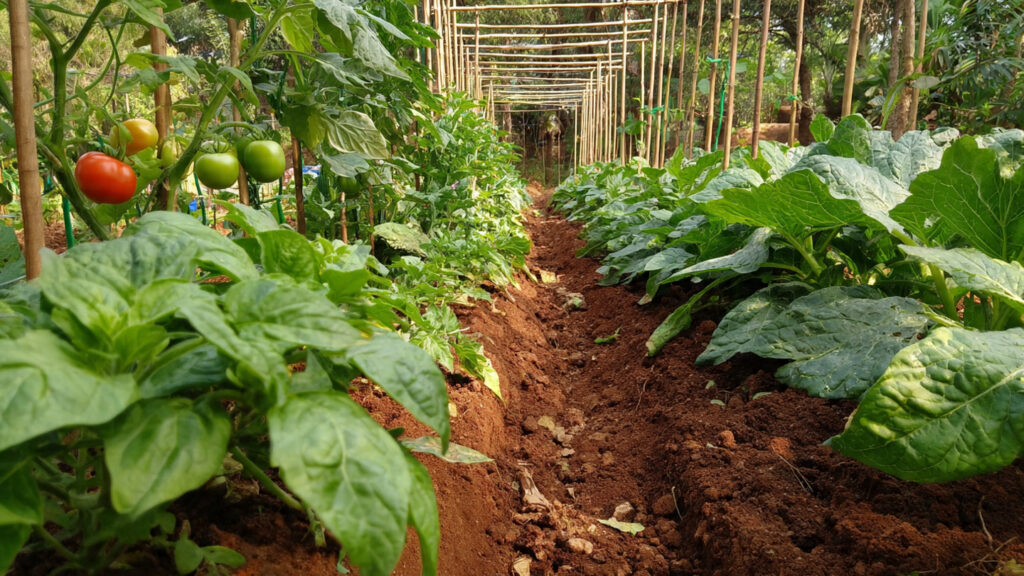
Growing your own vegetables at home is incredibly rewarding, but for many people, the thought of daily watering, weeding, and fertilizing can be intimidating. What if you could grow vegetables that require minimal attention and almost no watering, yet still thrive and produce fresh, nutritious food? This is not only possible but also surprisingly simple with the right techniques. In this guide, we’ll explore super easy, low-maintenance vegetable gardening tips that save time, conserve water, and still give you a bountiful harvest.
Why Low-Maintenance Gardening Works
Low-maintenance gardening focuses on creating a self-sustaining ecosystem for your plants. Instead of relying on frequent watering or constant intervention, you provide conditions where plants can naturally thrive. The benefits include:
- Water Conservation – Saves time and reduces water bills.
- Reduced Labor – Minimal weeding, pruning, or attention required.
- Less Stress on Plants – Plants grow healthier in stable, well-prepared conditions.
- Accessibility – Perfect for busy individuals or those new to gardening.
- Eco-Friendly – Conserves water and often reduces the need for chemical fertilizers.
By following these strategies, even a small balcony, rooftop, or backyard garden can produce a consistent yield with minimal effort.
Choosing the Right Vegetables
Not all vegetables are suitable for low-maintenance, almost no-care gardening. Some varieties naturally require less water and attention. Here are the best options:
- Leafy Greens: Spinach, kale, and Swiss chard are hardy and regrow quickly after harvesting.
- Root Vegetables: Carrots, radishes, and beets grow well in deep, loose soil that retains moisture.
- Legumes: Beans and peas thrive with minimal attention and often fix their own nitrogen in the soil.
- Succulent-Like Vegetables: Zucchini and certain squash varieties store water in their leaves and stems, making them drought-tolerant.
- Herbs: Rosemary, thyme, oregano, and sage are naturally drought-resistant and require little care.
Choosing resilient, easy-growing varieties is the first step toward a low-maintenance garden.
Preparing Your Garden for No-Water Growth
Creating the right environment is essential for low-maintenance gardening. Proper preparation ensures your plants get all the nutrients and moisture they need naturally.
1. Use Self-Watering Containers
Self-watering pots are ideal for almost no-care gardening. These containers have a water reservoir at the bottom, which slowly feeds moisture to plant roots through capillary action. They can reduce watering frequency from daily to once every few weeks.
2. Choose Mulch Generously
Mulching is one of the most effective ways to conserve water. Cover the soil with organic materials like straw, dried leaves, coconut husk, or even shredded newspaper. Mulch reduces evaporation, keeps soil cool, and suppresses weeds.
3. Opt for Water-Retaining Soil
Soil that holds moisture naturally makes a huge difference. Mix your garden soil with organic compost, coco peat, or vermiculite. These materials absorb water and slowly release it to the roots, meaning you’ll spend less time watering.
4. Group Plants Wisely
Plants with similar water and sunlight requirements should be grouped together. This prevents overwatering some plants while under-watering others and allows you to create micro-environments tailored to specific species.
Easy Techniques for Almost No-Care Vegetable Gardening
Several simple techniques can make your garden practically self-sustaining:
1. Deep Planting
Plant vegetables slightly deeper than usual. Deep planting helps roots access cooler, moist soil, reducing the need for frequent watering. Root vegetables like carrots, beets, and radishes benefit most from this method.
2. Drip Irrigation or Wicking Beds
If you want to completely minimize watering, consider installing a drip irrigation system or wicking bed. Wicking beds use a water reservoir at the base, and moisture rises to the roots as needed. Drip irrigation delivers water slowly and directly to the plant base, cutting down waste.
3. Companion Planting
Certain plants help each other retain moisture and stay healthy. For instance, planting taller leafy vegetables near low-growing herbs creates shade that keeps soil cooler and reduces evaporation. Beans can improve soil fertility naturally, requiring less fertilization.
4. Cover Crops
Plant fast-growing cover crops like clover or mung beans between vegetable rows. These crops reduce soil evaporation, protect roots, and enrich the soil with nutrients, so your vegetables require less care.
➡️ How to Grow Malabar Spinach from Cuttings for Fast, Easy Greens
➡️ How to Grow Super Delicious Cabbage at Home Without a Garden
➡️ How to Grow Bean Sprouts at Home in Plastic Bottles Easily (Step‑by‑Step Guide)
➡️ Why is Your Lemon Tree Blooming in the Heart of Winter?
➡️ Why Should Your Garden Have a Dedicated Pollinator Highway?
➡️ Why Do Your Fruit Trees Need a Winter Wash to Thrive in Spring?
➡️ How Can Rice Water Transform Your Fruits into Sweeter Delights?
➡️ Jumpstart Your Winter Garden: Seed Starting Under Lights
5. Minimal Pruning and Maintenance
In low-maintenance gardening, avoid excessive pruning. Only remove dead or diseased leaves. Over-pruning can stress the plant and increase water requirements.
Water-Saving Tips
Even low-maintenance gardens sometimes need water, but these tips will minimize it:
- Water in the Morning or Evening – Reduces evaporation in hot sunlight.
- Collect Rainwater – Use simple containers to capture rain and water your garden naturally.
- Use Greywater – Reuse leftover water from washing vegetables or cleaning dishes for your plants.
- Mulch Frequently – Maintain a 2–3 inch mulch layer to lock in moisture.
Fertilizing with Minimal Effort
Low-maintenance gardens also benefit from slow-release or organic fertilizers. Some options include:
- Compost – Provides balanced nutrients gradually.
- Worm Castings – Natural fertilizer that improves soil health and water retention.
- Organic Liquid Fertilizer – Diluted compost tea or liquid seaweed can be applied occasionally for nutrient boosts without heavy effort.
Harvesting with Minimal Care
The best part of low-maintenance gardening is that it doesn’t demand constant attention, yet the harvest is rewarding.
- Leafy Greens: Pick outer leaves regularly to encourage regrowth.
- Root Vegetables: Harvest when the tops start to yellow, ensuring new crops can mature in the same soil.
- Herbs: Snip a few sprigs as needed; most herbs grow back quickly.
- Fruiting Vegetables: Remove overripe fruits to allow the plant to focus on new growth.
Regular but minimal harvesting helps plants stay productive without additional effort.
Benefits of Almost No-Care Vegetable Gardening
Low-maintenance gardening has advantages beyond saving water and time:
- Saves Money – Less water, fertilizers, and labor mean lower costs.
- Environmentally Friendly – Conserves water and reduces chemical fertilizer use.
- Encourages Healthy Eating – Fresh vegetables are readily available at home.
- Reduces Stress – Gardening without constant chores can be therapeutic.
- Suitable for Any Space – Ideal for balconies, rooftops, and small urban gardens.
Tips for Success
- Start small and expand gradually to find what works best.
- Monitor soil moisture occasionally to ensure plants are not stressed.
- Choose drought-tolerant or hardy vegetable varieties.
- Rotate crops seasonally to maintain soil health.
- Use organic mulches and compost to maximize nutrient and moisture retention.
Conclusion
Creating a vegetable garden that thrives with minimal effort and almost no watering is not just a dream—it’s entirely possible. By choosing resilient plants, using self-watering techniques, mulching, improving soil, and practicing smart planting strategies, anyone can enjoy fresh, homegrown vegetables with very little maintenance.
Whether you live in a busy apartment or have a small backyard, these tips make vegetable gardening accessible, enjoyable, and environmentally friendly. You don’t need to spend hours each day watering or weeding—just a little preparation and occasional care, and your plants will flourish on their own.
Start small with a few hardy vegetables, incorporate these low-maintenance strategies, and watch your garden thrive. Over time, you’ll discover the joy of harvesting fresh vegetables with almost no effort, proving that sometimes, the easiest gardens are also the most rewarding.