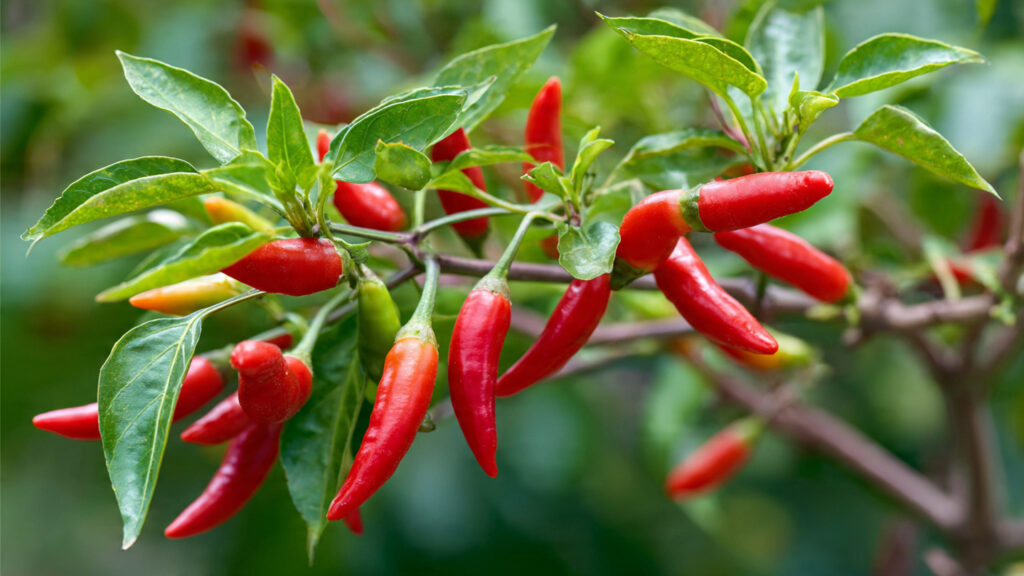
Chili peppers are more than just fiery flavor boosters—they are colorful, nutritious, and incredibly satisfying to grow at home. Whether you’re a culinary enthusiast, a health-conscious eater, or someone who loves gardening, cultivating chili peppers can transform your kitchen and garden alike. But growing them successfully requires more than planting seeds and waiting for the harvest. From selecting the right variety to mastering watering, sunlight, and pest control, there are crucial techniques that can make the difference between a few sad fruits and a vibrant, bountiful crop. In this ultimate guide, we’ll cover the best tips you can’t afford to miss when growing chili peppers at home.
1. Choosing the Right Chili Pepper Variety
The first step in a successful chili pepper journey is choosing the right variety for your home garden. Chili peppers come in thousands of varieties, each differing in heat, flavor, and growth habit. Broadly, you can categorize them as:
- Sweet and mild peppers – Examples include bell peppers and pimientos. These are ideal if you prefer flavor over intense heat.
- Medium heat peppers – Jalapeños, Fresno, or cherry peppers are perfect for everyday cooking.
- Hot and fiery peppers – Habanero, Thai, and Carolina Reaper are for those who love extreme heat.
When selecting a variety, also consider the growth habit: bush types are compact and ideal for container gardens, while vining or upright types need more space but can yield more fruit. Choosing the right variety ensures that your chili peppers thrive in your available space and climate.
2. Starting From Seeds or Seedlings
Chili peppers can be grown from seeds or young plants. Growing from seeds gives you access to more varieties, while seedlings offer a faster start.
- Seeds: Start seeds indoors 8–10 weeks before the last frost. Use seed trays with well-draining soil and maintain warmth around 75–85°F (24–29°C) for germination. Keep the soil consistently moist but not waterlogged.
- Seedlings: Purchase healthy seedlings from a trusted nursery. Ensure they have strong stems and no signs of disease. Acclimate them gradually to outdoor conditions before transplanting.
Remember, patience is key. Chili peppers can be slow to germinate and grow, but the reward is well worth the wait.
3. Sunlight and Temperature Requirements
Chili peppers are sun lovers. For optimal growth and fruit production:
- Sunlight: Provide at least 6–8 hours of direct sunlight daily. Inadequate light can lead to weak plants and fewer peppers.
- Temperature: They thrive in warm conditions with daytime temperatures of 70–85°F (21–29°C) and nighttime temperatures above 60°F (15°C). Avoid planting too early in spring, as cold temperatures can stunt growth or kill young plants.
If you live in cooler climates, consider growing chili peppers in containers so they can be moved indoors or into a greenhouse during chilly nights.
4. Soil Preparation for Healthy Plants
Healthy chili peppers start with nutrient-rich soil. These tips ensure your soil provides the best foundation:
- Soil Type: Use loose, well-draining soil with high organic content. Sandy loam or a mix of garden soil and compost works well.
- pH Level: Maintain a slightly acidic to neutral pH of 6.0–7.0 for optimal nutrient uptake.
- Fertilization: Mix in compost or well-rotted manure before planting to provide essential nutrients. Avoid excessive nitrogen, as it encourages leafy growth but reduces flowering and fruiting.
Proper soil preparation ensures strong roots, vigorous growth, and maximum fruit production.
5. Watering Techniques for Maximum Yield
Chili peppers need consistent moisture, especially during flowering and fruiting stages. Overwatering or underwatering can stress plants and reduce yields.
- Frequency: Water deeply 1–2 times per week, depending on weather conditions. During hot or dry spells, increase watering frequency.
- Method: Water at the base of the plant, avoiding leaves to reduce the risk of fungal diseases.
- Mulching: Apply organic mulch around the base to retain moisture, regulate soil temperature, and prevent weeds.
Consistent watering ensures peppers develop evenly and reduces the chances of fruit drop or cracking.
6. Fertilization Tips for Strong Growth
Chili peppers are moderate feeders. Regular, balanced fertilization supports flowering and fruiting:
- Pre-Plant Fertilizer: Incorporate a balanced fertilizer (10-10-10) into the soil before planting.
- During Growth: Apply a side-dressing of fertilizer when plants begin flowering. Focus on phosphorus and potassium to encourage blooms and fruit development.
- Avoid Excess Nitrogen: Too much nitrogen promotes foliage growth at the expense of flowers and peppers.
A well-fed plant is a productive plant, producing more vibrant and flavorful peppers.
7. Supporting Your Plants
Chili pepper plants can become top-heavy as they grow and bear fruit. Providing support prevents breakage and improves airflow:
- Staking: Use small stakes or bamboo sticks to support each plant. Tie gently with soft garden twine.
- Caging: Tomato cages work well for bushy varieties.
- Pruning: Trim weak or lower branches to focus energy on fruit-bearing branches.
Proper support prevents damage and ensures sunlight reaches all parts of the plant, maximizing yield.
➡️ How to Grow Malabar Spinach from Cuttings for Fast, Easy Greens
➡️ How to Grow Super Delicious Cabbage at Home Without a Garden
➡️ How to Grow Bean Sprouts at Home in Plastic Bottles Easily (Step‑by‑Step Guide)
➡️ Why is Your Lemon Tree Blooming in the Heart of Winter?
➡️ Why Should Your Garden Have a Dedicated Pollinator Highway?
➡️ Why Do Your Fruit Trees Need a Winter Wash to Thrive in Spring?
➡️ How Can Rice Water Transform Your Fruits into Sweeter Delights?
➡️ Jumpstart Your Winter Garden: Seed Starting Under Lights
8. Pollination Tips for More Peppers
Chili peppers produce both male and female flowers. Proper pollination is key to fruit formation:
- Natural Pollinators: Attract bees and other insects by planting companion flowers such as marigolds or sunflowers nearby.
- Manual Pollination: Use a small paintbrush to transfer pollen from male to female flowers if natural pollinators are scarce.
Well-pollinated flowers result in more and larger peppers, boosting your harvest.
9. Pest and Disease Management
Healthy plants yield more fruit. Protect your chili peppers from common pests and diseases:
- Pests: Aphids, whiteflies, and spider mites are common. Use insecticidal soap or neem oil to control infestations.
- Diseases: Powdery mildew, bacterial leaf spot, and mosaic virus can harm plants. Ensure proper spacing, avoid overhead watering, and remove affected leaves promptly.
Vigilance and early intervention keep your chili peppers productive and disease-free.
10. Harvesting Chili Peppers at the Right Time
Knowing when to harvest ensures the best flavor, color, and continued fruit production:
- Timing: Pick peppers when they reach their mature color—green, red, yellow, or orange depending on the variety. Some peppers taste better slightly underripe, while others are sweeter when fully colored.
- Frequency: Harvest regularly to encourage the plant to produce more peppers. Leaving mature peppers on the plant can slow further flowering.
- Technique: Use scissors or garden shears to cut the peppers, avoiding damage to the plant.
Frequent harvesting keeps your plants healthy and encourages a continuous supply of fresh, spicy peppers.
11. Indoor and Container Gardening
If space is limited, chili peppers thrive in pots and containers:
- Pot Size: Use containers at least 12 inches deep with good drainage.
- Soil Mix: A mixture of potting soil, compost, and perlite ensures proper aeration.
- Mobility: Containers can be moved to catch sunlight or protect from frost.
Container gardening allows urban gardeners or balcony growers to enjoy fresh peppers year-round.
12. Tips for Extra Flavor and Spicy Heat
The heat and flavor of chili peppers depend on growth conditions:
- Sunlight: More sunlight increases capsaicin production, resulting in spicier peppers.
- Water Stress: Slightly reducing water during fruiting can intensify the heat—but don’t let plants wilt.
- Nutrition: Avoid excessive nitrogen, as it can dilute the flavor and heat intensity.
With proper care, your home-grown chili peppers can rival those from specialty markets.
Conclusion
Growing chili peppers at home is a rewarding experience that combines beauty, flavor, and nutrition. By selecting the right variety, preparing the soil, providing adequate sunlight, water, and nutrients, supporting your plants, and practicing smart harvesting, you can enjoy a bountiful, spicy harvest. Chili peppers are not only a feast for the taste buds but also a colorful and fragrant addition to your garden.
Whether you want mild bell peppers for salads or fiery habaneros for sauces, these proven tips will help you grow healthy, productive chili plants that thrive in your home garden. Follow this ultimate guide, and soon you’ll be harvesting fresh, flavorful peppers that elevate every meal and add a touch of homegrown magic to your kitchen.