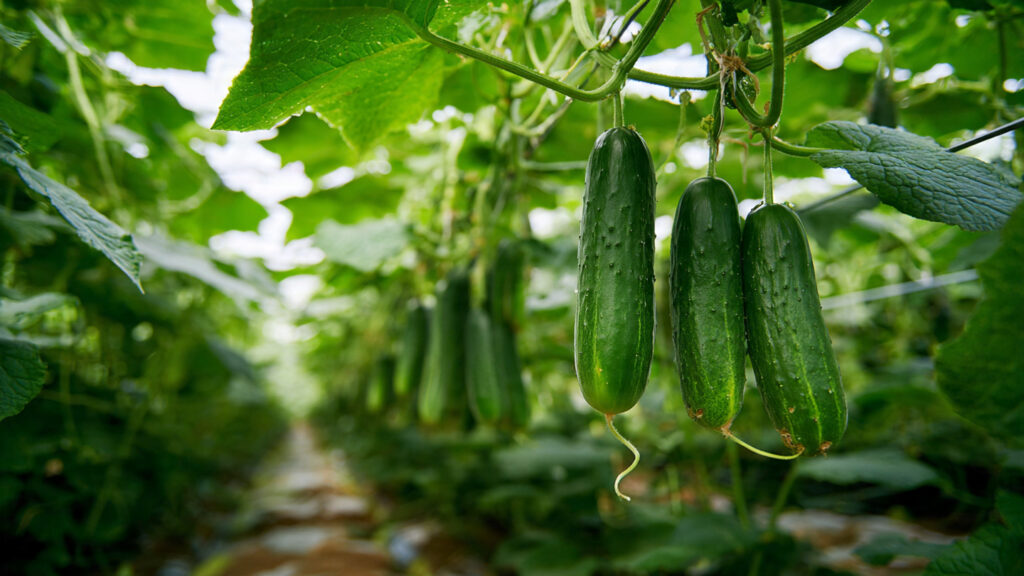
Cucumbers are one of the most popular and versatile vegetables you can grow in your garden. Crisp, refreshing, and packed with nutrients, they are perfect for salads, pickles, and healthy snacks. But if you’ve ever tried growing cucumbers, you know that getting a bountiful harvest requires more than just planting seeds and watering occasionally. To achieve maximum fruit and high yield, you need a combination of the right variety, proper care, and smart gardening techniques. In this guide, we’ll share proven tips that can help your cucumber plants thrive and produce an abundant harvest.
1. Choosing the Right Variety
The first step to a successful cucumber crop is selecting the right variety. Cucumbers come in two main types: slicing cucumbers for fresh eating and pickling cucumbers for preserving. Within these categories, there are also varieties suited for trellising (vining) and bush types for smaller spaces.
- Vining varieties (like ‘Marketmore’ or ‘Lemon’ cucumbers) grow long vines that can climb trellises, fences, or stakes. They tend to produce higher yields because they grow vertically, giving you more space and better airflow.
- Bush varieties (like ‘Bush Champion’ or ‘Patio Snacker’) are compact and ideal for containers or small gardens, though they may produce slightly fewer fruits.
Choosing disease-resistant varieties is also crucial. Cucumbers are prone to common issues such as powdery mildew, downy mildew, and mosaic virus. Resistant varieties can save you time and effort while boosting overall yield.
2. Planting Cucumbers for Maximum Growth
Proper planting is key to healthy cucumber plants. Here’s how to set them up for success:
- Soil Preparation: Cucumbers thrive in loose, well-draining soil rich in organic matter. Mix compost or well-rotted manure into your garden bed before planting to provide nutrients and improve soil texture.
- Soil pH: Maintain a slightly acidic to neutral soil with a pH of 6.0–7.0. This helps cucumbers absorb nutrients effectively.
- Spacing: For vining types, space plants about 12–18 inches apart, with rows 4–6 feet apart. For bush varieties, 12 inches between plants is sufficient. Proper spacing ensures good airflow, reducing the risk of fungal diseases.
- Planting Depth: Sow seeds about 1 inch deep. If transplanting seedlings, bury them slightly deeper to encourage stronger root development.
3. Sunlight and Temperature Requirements
Cucumbers love sunlight. They require 6–8 hours of direct sun daily for optimal growth and fruit production. Plant your cucumbers in a sunny spot to ensure maximum flowering and fruit set.
Temperature also plays a critical role. Cucumbers are warm-season crops that grow best at 70–85°F (21–29°C) during the day and 60–70°F (15–21°C) at night. Plant seeds after the last frost when the soil has warmed to at least 60°F (16°C).
4. Watering Techniques for High Yield
Consistent watering is essential for cucumbers, especially during flowering and fruiting stages. Uneven watering can cause flowers to drop or fruits to become bitter.
- Deep Watering: Water the plants deeply at the base rather than spraying the leaves. This encourages strong root development.
- Frequency: Aim for 1–2 inches of water per week. In hot, dry weather, increase watering frequency to prevent the soil from drying out.
- Mulching: Apply a 2–3 inch layer of organic mulch around the plants. Mulch retains soil moisture, regulates temperature, and reduces weed growth.
5. Fertilization Tips for Maximum Fruit
Cucumbers are heavy feeders, meaning they require ample nutrients for abundant fruiting. Follow these guidelines for fertilizing your plants:
- Pre-Plant Fertilizer: Mix a balanced fertilizer (like 10-10-10) into the soil before planting.
- Side-Dressing: Once the plants start flowering, apply a nitrogen-rich fertilizer to encourage vigorous growth and healthy leaves.
- Phosphorus and Potassium: Ensure the plants get enough phosphorus (for root development) and potassium (for fruiting). Compost, bone meal, or potassium-rich organic fertilizers work well.
Over-fertilization can cause excessive leaf growth at the expense of fruit, so follow the recommended dosage on your fertilizer package.
6. Trellising for Bigger Yields
Using a trellis or support system is one of the most effective ways to increase cucumber yield. Vertical growth offers several advantages:
- Better airflow reduces the risk of fungal diseases.
- Fruits are cleaner and less likely to rot from contact with soil.
- Plants receive more sunlight, improving flowering and fruiting.
- Easier harvesting and maintenance.
For vining varieties, a simple A-frame trellis, cage, or vertical netting works perfectly. Train the vines upward by gently tying them with soft garden twine.
7. Pruning and Flower Management
Pruning may sound counterintuitive, but removing excess leaves and weak shoots helps the plant focus energy on producing larger and more numerous cucumbers.
- Prune Suckers: Remove small, weak lateral shoots that are unlikely to produce fruits.
- Remove Yellow Leaves: Any diseased or yellowing leaves should be cut to prevent spreading and to maintain airflow.
- Flower Management: Ensure that female flowers (which bear fruit) receive enough sunlight. Male flowers provide pollen, but only female flowers produce cucumbers.
8. Pollination for Maximum Fruit
Cucumbers require pollination to produce fruit. While some varieties are parthenocarpic (self-fruiting without pollination), most need bees or manual pollination:
- Attract Pollinators: Plant flowers nearby to attract bees, such as marigolds, sunflowers, or borage.
- Manual Pollination: Use a small paintbrush or cotton swab to transfer pollen from male flowers to female flowers for guaranteed fruit set.
Proper pollination can significantly increase yield, especially in areas with few natural pollinators.
9. Pest and Disease Management
Healthy cucumber plants produce more fruit. Common pests include aphids, cucumber beetles, and spider mites. Early intervention is key:
➡️ How to Grow Malabar Spinach from Cuttings for Fast, Easy Greens
➡️ How to Grow Super Delicious Cabbage at Home Without a Garden
➡️ How to Grow Bean Sprouts at Home in Plastic Bottles Easily (Step‑by‑Step Guide)
➡️ Why is Your Lemon Tree Blooming in the Heart of Winter?
➡️ Why Should Your Garden Have a Dedicated Pollinator Highway?
➡️ Why Do Your Fruit Trees Need a Winter Wash to Thrive in Spring?
➡️ How Can Rice Water Transform Your Fruits into Sweeter Delights?
➡️ Jumpstart Your Winter Garden: Seed Starting Under Lights
- Use insecticidal soaps or neem oil for pest control.
- Inspect plants regularly for signs of disease like powdery mildew.
- Ensure proper spacing and trellising to reduce disease risk.
By keeping your plants healthy, you maximize their ability to produce abundant, high-quality cucumbers.
10. Harvesting Tips for Maximum Yield
Harvesting cucumbers at the right time encourages the plant to produce more fruits. Overripe cucumbers can slow down production.
- Check Daily: Cucumbers can grow rapidly, sometimes in just a few days. Check your plants daily during peak season.
- Size Matters: Harvest cucumbers when they reach their mature size but before seeds become hard. For slicing cucumbers, 6–8 inches is ideal; for pickling, 2–4 inches works best.
- Gentle Handling: Use a sharp knife or garden scissors to cut cucumbers from the vine, avoiding damage to the plant.
Frequent harvesting stimulates the plant to produce new flowers and fruits, ensuring a continuous supply throughout the growing season.
Conclusion
Growing cucumbers for maximum fruit and high yield is both an art and a science. By selecting the right variety, preparing soil properly, providing adequate sunlight, water, and nutrients, and practicing smart techniques like trellising, pruning, and pollination, you can enjoy a bountiful harvest. Cucumbers are rewarding to grow, offering not just a delicious addition to your meals but also the satisfaction of seeing your efforts transform into an abundant, healthy crop.
With these proven tips, your garden can produce cucumbers that are crisp, flavorful, and plentiful—making every meal a fresh, garden-to-table experience. Start today, and you’ll soon see your cucumber plants flourishing like never before, delivering maximum fruit with minimal stress.