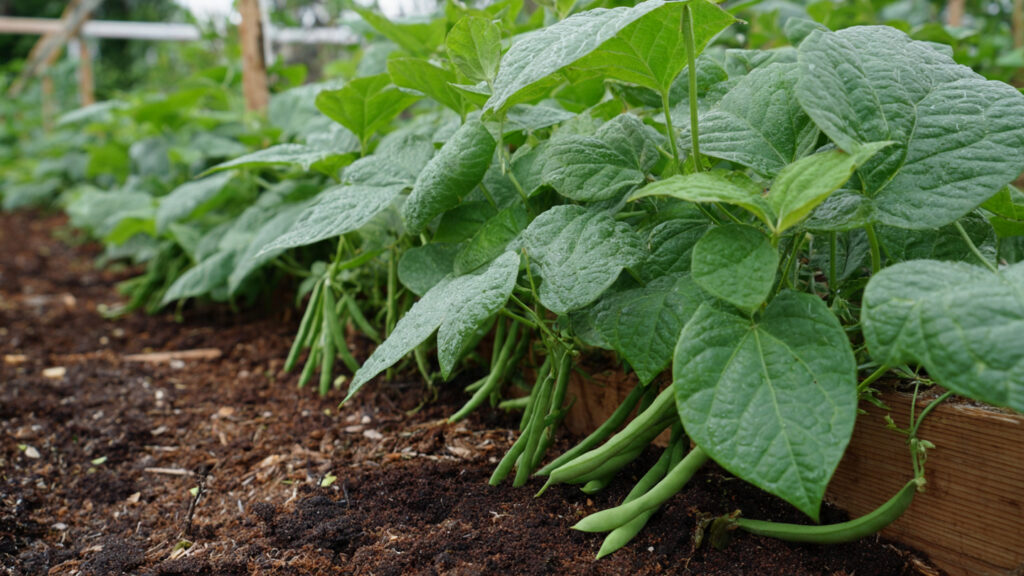
If someone told me a few years ago that I could grow a garden full of fresh, healthy cowpeas with almost no effort, I would have laughed.
I always thought vegetable gardening meant constant watering, expensive fertilizers, endless pest problems, and daily stress. But then I discovered cowpeas — and everything changed.
Cowpeas are the ultimate “lazy gardener’s” crop. They grow fast, produce heavily, and don’t demand constant attention. Today, my cowpea garden is one of the easiest and most rewarding parts of my home food supply.
Let me share exactly how I built my dream high-yield cowpea garden — with minimal care and maximum harvest.
Why Cowpeas Became My Favorite Crop
Cowpeas (also called black-eyed peas or southern peas) are one of the most underrated vegetables for home gardeners.
They are:
- Heat-tolerant
- Drought-resistant
- Fast-growing
- Extremely productive
- Great for improving soil
Unlike many vegetables that struggle in summer heat, cowpeas thrive in it. They don’t panic when the weather gets dry. And the best part? They keep producing even when you forget about them for a few days.
For busy people, beginners, or anyone who wants a “low-maintenance, high-reward” garden, cowpeas are a dream.
The “No Care Needed” Garden Mindset
When I say “no care needed,” I don’t mean you plant seeds and disappear forever.
What I mean is:
- No daily watering
- No constant fertilizing
- No complicated pruning
- No endless pest battles
- No stress
Cowpeas are naturally strong plants. Once they get established, they practically grow on autopilot.
That’s exactly why I built my garden around them.
Step 1: Picking the Perfect Spot
My first secret was choosing the easiest location possible.
Cowpeas love:
- Full sunlight
- Warm soil
- Open airflow
I planted mine in a sunny patch that gets at least 6–8 hours of sun daily.
➡️ How to Grow Malabar Spinach from Cuttings for Fast, Easy Greens
➡️ How to Grow Super Delicious Cabbage at Home Without a Garden
➡️ How to Grow Bean Sprouts at Home in Plastic Bottles Easily (Step‑by‑Step Guide)
➡️ Why is Your Lemon Tree Blooming in the Heart of Winter?
➡️ Why Should Your Garden Have a Dedicated Pollinator Highway?
➡️ Why Do Your Fruit Trees Need a Winter Wash to Thrive in Spring?
➡️ How Can Rice Water Transform Your Fruits into Sweeter Delights?
➡️ Jumpstart Your Winter Garden: Seed Starting Under Lights
The beauty is that cowpeas don’t need rich soil. Even in average backyard dirt, they grow happily.
So I didn’t waste time digging deep beds or buying fancy compost. I simply cleared weeds, loosened the top layer, and moved on.
Step 2: Planting Cowpeas the Simple Way
Planting cowpeas is almost too easy.
Here’s what I did:
- Waited until the weather was warm (above 20°C)
- Made small holes about 1 inch deep
- Dropped 2–3 seeds in each hole
- Covered lightly with soil
- Watered once to start them off
That’s it.
Within a week, little green sprouts appeared, and soon the plants were racing upward.
Cowpeas grow quickly, so you get results fast — which is perfect for impatient gardeners like me.
Step 3: Minimal Watering (The Lazy Garden Trick)
Here’s where cowpeas really shine.
After the first two weeks, I stopped watering regularly.
Cowpeas have deep roots and can survive dry spells better than most vegetables. Once established, they only need occasional watering during extreme drought.
My simple rule became:
- Water only when the leaves look slightly droopy
- Otherwise, let nature handle it
This saved me so much time and effort compared to thirsty crops like tomatoes or cucumbers.
Step 4: No Fertilizer Needed (They Feed Themselves!)
One of the coolest things about cowpeas is that they are nitrogen-fixing plants.
That means they actually improve the soil as they grow.
Their roots pull nitrogen from the air and store it in the ground, making the soil richer for future crops.
So instead of feeding them constantly, I let them do the work.
I added only a small handful of compost at planting time — and nothing else all season.
The plants stayed green, healthy, and productive without expensive fertilizers.
Step 5: Almost Zero Pest Problems
I expected insects and diseases to attack my cowpea garden.
But surprisingly…
Cowpeas are tough.
While other vegetables were being eaten alive, my cowpeas kept growing strong.
Why?
- Their leaves are hardy
- They grow fast enough to outpace minor damage
- Many pests prefer softer crops
Occasionally I saw a few beetles, but it never became serious.
If needed, I simply sprayed neem water once or twice — and the problem disappeared.
No constant pest control required.
Step 6: The High-Yield Harvest Surprise
The first time I harvested cowpeas, I was shocked.
The plants just kept producing.
Cowpea pods form quickly, and if you harvest often, the plant responds by making even more.
Within weeks, I had:
- Fresh green pods for cooking
- Dry peas for storage
- Enough to share with neighbors
The more I picked, the more they grew.
It felt like my garden was giving me free food nonstop.
How I Made It a “Dream Garden”
To increase yield even more, I added a few simple upgrades:
1. Planting in Rows
Rows made harvesting easier and improved airflow.
2. Succession Planting
Every 2–3 weeks, I planted a new batch of seeds so the harvest lasted longer.
3. Growing Along a Simple Trellis
Some cowpea varieties climb beautifully. A basic bamboo support doubled my growing space.
4. Mulching Once
A layer of dry leaves helped retain moisture and reduced weeds — meaning even less work.
The Best Part: Cowpeas Fit Any Garden
Cowpeas aren’t just for big farms.
You can grow them in:
- Backyard beds
- Balcony pots
- Raised gardens
- Grow bags
- Small sunny corners
Even a few plants can produce a surprising amount of food.
If you have limited space, cowpeas are one of the smartest choices.
What Cowpeas Taught Me About Gardening
This “no care needed” cowpea garden changed my entire mindset.
I realized gardening doesn’t have to be complicated.
Sometimes the best crops are the ones that work with nature, not against it.
Cowpeas taught me that:
- Simple is powerful
- Tough plants are better than fussy ones
- Food gardening can be relaxing
- High yield doesn’t require high effort
Now, every summer, cowpeas are the first seeds I plant.
Final Thoughts: Your Own No-Care Cowpea Garden
If you want a garden that practically grows itself, cowpeas are your answer.
Start small:
- Choose a sunny spot
- Plant seeds in warm soil
- Water only at the beginning
- Harvest often
- Enjoy the endless pods
Before you know it, you’ll have your own dream high-yield cowpea garden — with almost no care needed.
Sometimes, the easiest crops give the biggest rewards.
And cowpeas? They are proof.