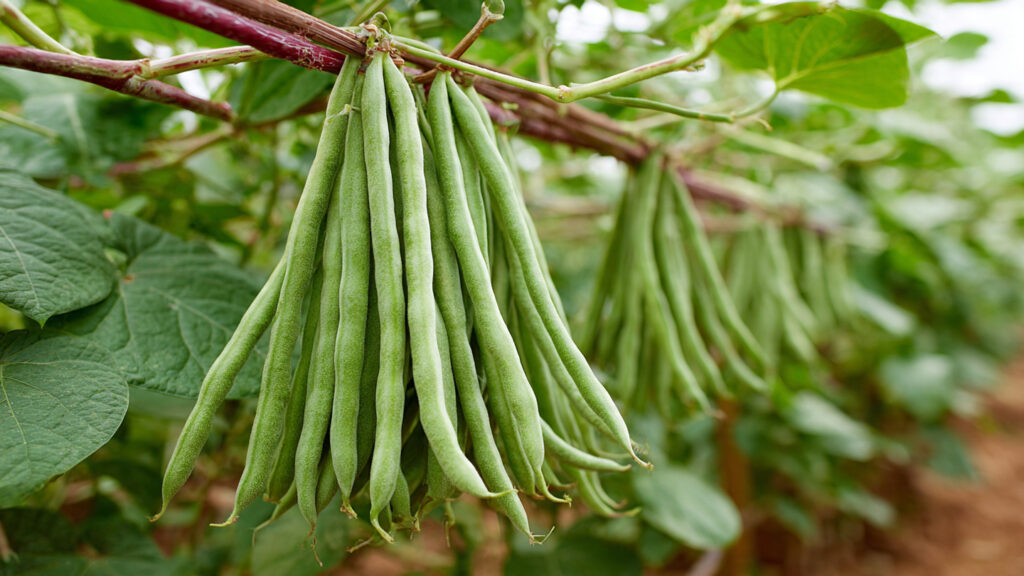
Growing fresh vegetables at home is already rewarding—but imagine harvesting cowpeas even when it’s not their usual season. Sounds unbelievable, right?
Cowpeas, also known as black-eyed peas or lobia, are one of the easiest and most nutritious legumes to grow. Traditionally, they thrive in warm weather and are mostly planted during the monsoon or summer season. But with the right techniques, you can successfully grow off-season cowpeas at home, even in pots or small garden spaces.
This simple and effective guide will walk you through everything you need to know—from selecting seeds to harvesting delicious pods—so you can enjoy cowpeas year-round.
Let’s dive in!
Why Grow Cowpeas Off-Season?
Cowpeas are packed with protein, fiber, vitamins, and minerals, making them a healthy addition to your home garden. Off-season growing has several benefits:
- Fresh homegrown legumes when markets have limited supply
- Better control over pests and diseases
- Higher quality harvest without chemicals
- Gardening enjoyment all year long
- Great for balcony or terrace gardens
With a few adjustments, you can easily trick the plant into thriving outside its usual season.
Understanding Cowpeas Growing Requirements
Before starting, it’s important to know what cowpeas naturally need:
- Warm temperatures (20–35°C)
- At least 5–6 hours of sunlight daily
- Well-draining soil
- Moderate watering
- Support for climbing varieties
Off-season growing means you’ll recreate these conditions artificially using containers, protective covers, and smart timing.
Step 1: Choose the Right Cowpea Variety
Not all cowpea varieties perform equally in off-season conditions. For best success, choose:
Early-Maturing Varieties
These grow quickly and produce pods faster, reducing weather risk.
Bush-Type Cowpeas
Bush varieties are easier to manage in pots and small spaces.
Container-Friendly Seeds
Look for seeds labeled suitable for home gardening or terrace farming.
Ask your local nursery or seed supplier for “fast-growing” or “short-duration” cowpea varieties.
Step 2: Best Time to Grow Off-Season Cowpeas
Cowpeas are usually planted in summer or rainy season, but for off-season growing you can try:
- Late winter (indoors or protected balcony)
- Early spring with warmth support
- Autumn in warmer climates
The key is avoiding extreme cold, as cowpeas dislike frost.
➡️ How to Grow Malabar Spinach from Cuttings for Fast, Easy Greens
➡️ How to Grow Super Delicious Cabbage at Home Without a Garden
➡️ How to Grow Bean Sprouts at Home in Plastic Bottles Easily (Step‑by‑Step Guide)
➡️ Why is Your Lemon Tree Blooming in the Heart of Winter?
➡️ Why Should Your Garden Have a Dedicated Pollinator Highway?
➡️ Why Do Your Fruit Trees Need a Winter Wash to Thrive in Spring?
➡️ How Can Rice Water Transform Your Fruits into Sweeter Delights?
➡️ Jumpstart Your Winter Garden: Seed Starting Under Lights
If temperatures drop below 15°C, use grow bags indoors or a mini greenhouse setup.
Step 3: Growing Cowpeas in Pots (Perfect for Home!)
One of the best ways to grow cowpeas off-season is in containers, because you can move them as needed.
Pot Size
- Minimum 10–12 inch pot for bush types
- 14–16 inch grow bag for climbing varieties
Ensure the container has drainage holes.
Best Container Placement
- Sunny balcony
- Terrace corner
- Near a warm wall that reflects heat
Step 4: Prepare the Perfect Soil Mix
Healthy soil is the secret to successful off-season cowpeas.
Ideal Soil Mix for Cowpeas
- 40% garden soil
- 30% compost or vermicompost
- 20% cocopeat (for moisture balance)
- 10% sand or perlite (for drainage)
Cowpeas don’t like waterlogged soil, so keep it light and airy.
Add a handful of neem cake or organic manure for pest protection.
Step 5: Seed Preparation for Faster Germination
Off-season seeds may germinate slower due to cooler weather, so do this simple trick:
Soak Seeds Overnight
Soak cowpea seeds in water for 8–10 hours before planting.
This softens the seed coat and speeds up sprouting.
Optional: Add a pinch of organic fungicide or turmeric powder to prevent fungal issues.
Step 6: Planting Cowpeas the Right Way
Now comes the fun part!
How to Sow Seeds
- Fill your pot with prepared soil mix
- Make 1-inch deep holes
- Sow 2–3 seeds per pot
- Cover lightly with soil
- Water gently
Seeds usually sprout in 5–10 days depending on warmth.
Once seedlings are 3–4 inches tall, thin them out and keep the strongest plant.
Step 7: Provide Warmth for Off-Season Success
Temperature is the biggest challenge when growing cowpeas off-season.
Simple Ways to Keep Plants Warm
- Place pots where they get maximum sunlight
- Use plastic covers during cold nights
- Grow near a sunny window if indoors
- Mulch soil with dry leaves or straw
- Use a small polyhouse or greenhouse sheet
Even a simple transparent cover can make a huge difference.
Step 8: Watering Schedule (Don’t Overdo It!)
Cowpeas are drought-tolerant, so overwatering is a common mistake.
Watering Tips
- Water when the top soil feels dry
- Avoid daily watering in cooler weather
- Ensure excess water drains out
- Water more during flowering and pod formation
Too much water can cause root rot and fungal diseases.
Step 9: Feeding Cowpeas Naturally
Cowpeas are legumes, meaning they fix nitrogen in the soil. They don’t need heavy fertilization.
Best Organic Feeding Plan
- Compost tea every 15 days
- Banana peel liquid fertilizer during flowering
- A small handful of vermicompost monthly
Avoid too much nitrogen fertilizer, as it will create more leaves and fewer pods.
Step 10: Support for Climbing Cowpeas
If you’re growing a vine variety, provide support early.
Easy Support Ideas
- Bamboo sticks
- Balcony railing trellis
- Vertical garden net
- String support system
Vines grow quickly and will climb beautifully, saving space.
Step 11: Common Off-Season Problems and Solutions
Yellow Leaves
Cause: Overwatering or lack of sunlight
Solution: Reduce watering, move pot to brighter spot
No Flowers or Pods
Cause: Too much nitrogen or low sunlight
Solution: Add phosphorus-rich compost, increase sun exposure
Pest Attacks (Aphids, Whiteflies)
Solution: Spray neem oil + mild soap water weekly
Slow Growth in Cold Weather
Solution: Cover plants at night and mulch soil
Step 12: Harvesting Cowpeas at the Right Time
Cowpeas are ready to harvest in about 50–70 days depending on variety.
When to Pick Pods
- Harvest when pods are young and tender for vegetables
- Allow pods to mature fully if you want dry beans
Regular harvesting encourages more pod production.
Final Thoughts: Yes, You Can Grow Cowpeas Anytime!
Growing off-season cowpeas at home may sound unbelievable, but with the right approach, it’s surprisingly easy. By using pots, ensuring warmth, choosing fast-growing varieties, and providing proper care, you can enjoy fresh cowpeas even outside their traditional season.
Home gardening is all about experimenting and learning—and cowpeas are one of the best crops to start with.
So why wait for the season? Start planting today and enjoy a healthy harvest right from your balcony or backyard!