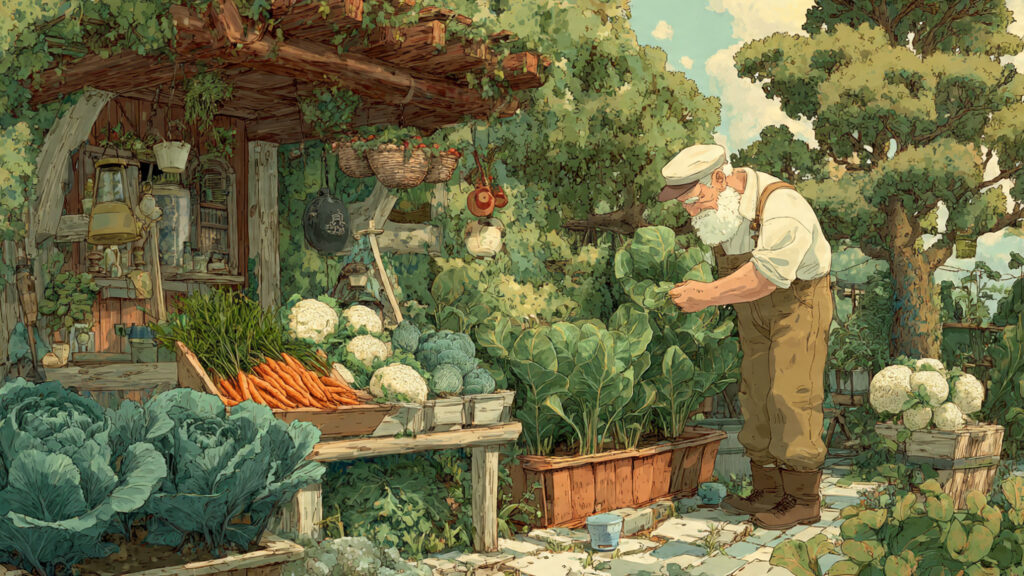
If you’ve ever dreamed of having a garden that produces fresh, vibrant vegetables all year round, Grandpa Kaki’s garden is the perfect example. His lush, productive plot is not just a feast for the eyes—it’s a masterclass in sustainable gardening, careful planning, and a deep understanding of plants. From crisp tomatoes to leafy greens and fragrant herbs, Grandpa Kaki seems to have an endless supply of fresh vegetables, no matter the season.
But what is his secret? Let’s take a closer look at the techniques, habits, and strategies that keep Grandpa Kaki’s garden thriving throughout the year.
1. Planning the Garden With Purpose
Grandpa Kaki doesn’t plant vegetables randomly. Every seed has a purpose, and every section of the garden is carefully planned.
- Seasonal planning – He rotates crops based on seasons to ensure continuous harvests. Leafy greens dominate cooler months, while tomatoes, peppers, and cucumbers thrive in summer.
- Succession planting – Grandpa Kaki plants new seeds before the current crop is finished. This ensures there’s always something ready to pick.
- Companion planting – By planting vegetables that complement each other, such as carrots with onions or tomatoes with basil, he reduces pests and boosts growth.
Careful planning prevents downtime in the garden and maximizes productivity.
2. Healthy Soil Is the Foundation
Grandpa Kaki often says, “Healthy vegetables start with healthy soil.” And he’s right. The richness of his garden soil is key to his bountiful harvest.
- Composting – Kitchen scraps, leaves, and grass clippings are turned into nutrient-rich compost. This adds essential minerals and improves soil structure.
- Soil testing – Grandpa Kaki tests the soil pH and nutrient levels regularly, ensuring vegetables get exactly what they need.
- Mulching – Straw, leaves, and organic mulch keep the soil moist, reduce weeds, and prevent nutrient loss.
By nurturing the soil, Grandpa Kaki ensures that vegetables grow strong, healthy, and flavorful.
3. Watering Wisely
Watering is another critical factor in a garden’s success. Grandpa Kaki follows a consistent, strategic approach:
- Deep, infrequent watering – This encourages roots to grow deeper, making plants more resilient to dry spells.
- Morning watering – Watering in the morning reduces evaporation and prevents fungal diseases that thrive in damp evenings.
- Drip irrigation – For larger sections, drip lines deliver water directly to roots, saving water and keeping leaves dry.
Proper watering keeps vegetables hydrated, reduces stress, and promotes larger yields.
4. Embracing Crop Rotation
One reason Grandpa Kaki’s garden stays full year after year is crop rotation.
- Avoiding soil depletion – Different vegetables consume different nutrients. Rotating crops prevents exhaustion of specific nutrients.
- Reducing pests and diseases – Many pests target specific plants. Changing plant locations interrupts their life cycles.
- Boosting yields – Rotated crops often grow faster and produce more.
For example, after a tomato season, he follows with leafy greens or legumes that naturally enrich the soil with nitrogen.
5. Protecting Plants Naturally
Grandpa Kaki prefers natural solutions over chemicals to keep his vegetables healthy.
- Neem oil and garlic sprays – Repel insects without harming the plants or beneficial insects.
- Floating row covers – Protect young seedlings from pests and frost.
- Companion planting – Flowers like marigolds deter pests and attract pollinators.
His approach keeps the garden productive while maintaining a healthy ecosystem.
6. Regular Harvesting Keeps Plants Productive
One of Grandpa Kaki’s most important habits is frequent harvesting.
- Encourages growth – Picking vegetables regularly stimulates plants to produce more.
- Prevents overripening – Fresh vegetables are tastier and retain nutrients.
- Reduces disease risk – Avoids rotting fruits that can attract pests.
By keeping a constant rhythm of picking, Grandpa Kaki ensures the garden never runs out of fresh produce.
7. Learning From Nature
Grandpa Kaki observes nature carefully and adapts his gardening techniques:
➡️ How to Grow Malabar Spinach from Cuttings for Fast, Easy Greens
➡️ How to Grow Super Delicious Cabbage at Home Without a Garden
➡️ How to Grow Bean Sprouts at Home in Plastic Bottles Easily (Step‑by‑Step Guide)
➡️ Why is Your Lemon Tree Blooming in the Heart of Winter?
➡️ Why Should Your Garden Have a Dedicated Pollinator Highway?
➡️ Why Do Your Fruit Trees Need a Winter Wash to Thrive in Spring?
➡️ How Can Rice Water Transform Your Fruits into Sweeter Delights?
➡️ Jumpstart Your Winter Garden: Seed Starting Under Lights
- Weather patterns – He adjusts planting schedules according to rainfall, temperature, and sunlight.
- Pest behavior – By noting the life cycle of pests, he intervenes at the right time, preventing infestations.
- Plant signals – Wilting, leaf discoloration, or stunted growth guide him to adjust watering, soil, or nutrients.
This intuitive approach allows him to stay ahead of problems and maintain healthy, productive plants.
8. Using Vertical Space and Containers
Not all vegetables need to sprawl on the ground. Grandpa Kaki uses vertical gardening and containers to maximize space:
- Trellises for tomatoes and cucumbers – Keeps vines off the ground, reduces pests, and improves sunlight exposure.
- Hanging baskets for herbs and greens – Adds easy access and saves space.
- Raised beds – Improves soil drainage and allows planting closer together without overcrowding.
Vertical and container gardening lets Grandpa Kaki grow more vegetables without expanding his garden footprint.
9. Feeding the Plants Regularly
Vegetables are heavy feeders, and Grandpa Kaki ensures they receive nutrients throughout their growth:
- Organic fertilizers – Compost tea, fish emulsion, and bone meal enrich the soil naturally.
- Micronutrients – Occasional supplementation with magnesium, calcium, or potassium prevents deficiencies.
- Foliar feeding – Spraying liquid fertilizers on leaves provides quick nutrients during growth spurts.
Well-fed plants grow stronger, resist diseases, and produce more vegetables.
10. Patience and Consistency
Perhaps the most important secret to Grandpa Kaki’s garden is patience and consistency. He doesn’t rush planting, skips steps, or ignore small problems.
- Watering, pruning, and fertilizing happen on a regular schedule.
- Pests are managed immediately, not left to multiply.
- Soil is enriched season after season, not neglected.
This steady care ensures that the garden remains productive, sustainable, and healthy year after year.
Lessons for Home Gardeners
Grandpa Kaki’s techniques are easy to implement for home gardeners:
- Plan your garden – Map out seasonal crops and succession planting.
- Prioritize soil health – Compost, mulch, and test your soil.
- Water wisely – Deep, infrequent watering encourages strong roots.
- Rotate crops – Prevent depletion and reduce pests.
- Harvest frequently – Keeps plants productive and vegetables fresh.
- Observe nature – Adapt care based on weather, pests, and plant signals.
- Use vertical and container gardening – Maximize space efficiently.
- Be consistent – Regular care is the key to a thriving garden.
By following these principles, you can maintain a garden that produces fresh vegetables all year round.
Final Thoughts
Grandpa Kaki’s garden is more than just a collection of plants—it’s a testament to patience, knowledge, and sustainable gardening practices. By carefully planning crops, nurturing soil, watering strategically, and observing nature, he ensures that his garden never runs out of fresh vegetables.
Whether you have a backyard plot, a small balcony, or a few containers, implementing Grandpa Kaki’s methods can help you enjoy continuous harvests of fresh, delicious produce. From the crunch of a freshly picked carrot to the aroma of ripe tomatoes, a well-tended garden brings nourishment, beauty, and joy to any home.
By learning from his example, you can cultivate a garden that’s productive, vibrant, and full of life—just like Grandpa Kaki’s.