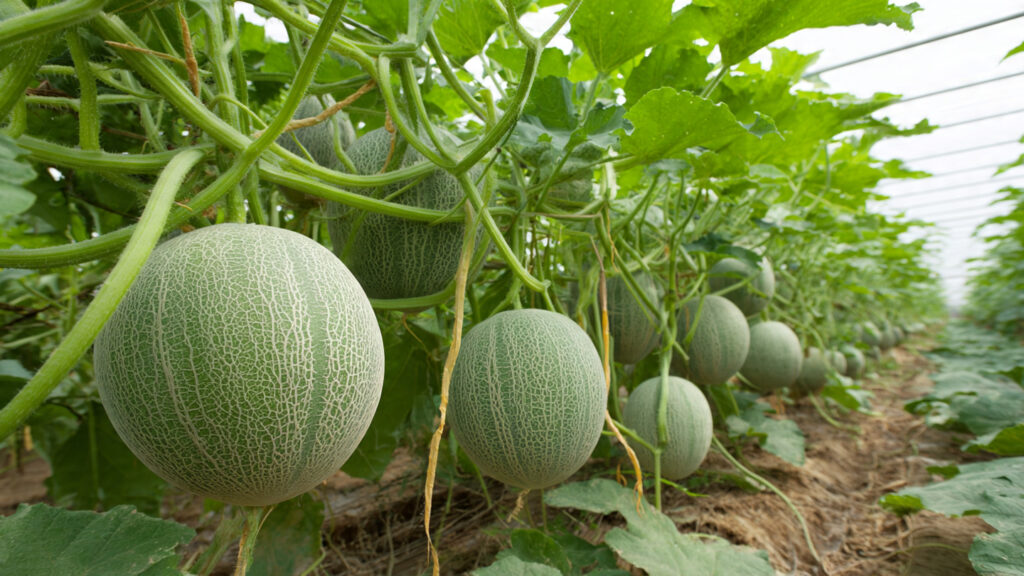
Who doesn’t love biting into a juicy, sweet melon on a hot summer day? But what if your melons could be even sweeter and larger than the ones you usually find at the market? For home gardeners and backyard enthusiasts, growing melons that are twice as sweet and three times as big isn’t just a dream—it’s achievable with a combination of science-backed strategies and practical cultivation techniques.
In this article, we’ll explore how to maximize melon size and sweetness using proven methods, from selecting the right variety to soil management, watering, fertilization, and harvesting tips.
Choosing the Right Melon Variety
The foundation of growing exceptional melons starts with choosing the right variety. Some melon types naturally produce larger, sweeter fruits than others. Popular choices include:
- Cantaloupes (Muskmelon) – Known for their sweet aroma and orange flesh, perfect for backyard gardens.
- Watermelons – Ideal for large yields and bold flavor.
- Honeydew – Smooth-skinned melons that are naturally sweet and juicy.
- Galia or Charentais – Smaller but intensely flavorful melons, ideal for container gardens.
Select varieties labeled for high sugar content or large size to maximize your results. Hybrid varieties often outperform traditional seeds in sweetness and yield.
Soil Preparation for Maximum Growth
Melons are heavy feeders that require fertile, well-draining soil. The right soil preparation is key to producing large, sweet fruits.
Steps for Soil Preparation:
- Test the soil – Ideal pH for melons is between 6.0 and 6.8.
- Add organic matter – Compost, well-rotted manure, or leaf mold improves soil fertility and texture.
- Ensure drainage – Melons dislike waterlogged roots. Consider raised beds or soil mounds for better drainage.
- Warm soil – Melons thrive in warm soil. Covering the soil with black plastic or row covers can retain heat and encourage faster growth.
Properly prepared soil provides the nutrients and structure needed for vigorous vines and larger fruits.
Strategic Planting Techniques
Planting techniques influence both the size and sweetness of melons. Follow these best practices:
- Spacing – Allow at least 3–6 feet between hills or mounds. Crowding plants reduces air circulation and limits fruit size.
- Hill planting – Plant melons on small soil mounds to improve drainage and root growth.
- Sunlight – Melons need full sun for at least 8 hours daily. More sunlight leads to higher sugar accumulation in the fruits.
For gardeners with limited space, vertical trellising is an option. Certain smaller melon varieties adapt well to trellis growth, saving space while promoting healthy vines.
Watering Strategies for Sweetness
Water management plays a critical role in melon quality. Both overwatering and underwatering can negatively affect fruit size and sweetness.
- Early growth – Keep soil consistently moist to support root development.
- Fruit development – Gradually reduce watering as melons approach maturity. Mild stress increases sugar concentration in the fruit.
- Avoid wet foliage – Use drip irrigation or watering at the base to reduce fungal diseases.
Controlled watering ensures large fruits without sacrificing sweetness.
Fertilization for Bigger, Sweeter Fruits
Melons are nutrient-hungry plants. Fertilization impacts both fruit size and sugar content.
- Nitrogen – Encourage strong vine and leaf growth during early stages.
- Phosphorus & Potassium – Crucial during flowering and fruiting stages to enhance size and sweetness.
- Micronutrients – Magnesium, calcium, and boron improve fruit quality and prevent blossom-end rot.
Apply a balanced fertilizer early, then switch to a potassium-heavy formula when fruits start forming. Foliar feeding with potassium can further boost sugar levels in melons.
Pruning and Training for Maximum Results
Strategic pruning improves fruit quality and increases sweetness:
- Limit fruit per vine – Focus energy on 2–3 fruits per vine for larger size and higher sugar content.
- Remove excess leaves – Trim lightly to improve sunlight penetration, which aids photosynthesis.
- Support heavy fruits – If using trellises, support fruits with slings to prevent breakage and promote uniform growth.
Pruning may seem counterintuitive, but less really is more when aiming for big, sweet melons.
Scientific Insights for Sweetness Enhancement
Recent agricultural research highlights methods to naturally enhance melon sweetness:
➡️ How to Grow Malabar Spinach from Cuttings for Fast, Easy Greens
➡️ How to Grow Super Delicious Cabbage at Home Without a Garden
➡️ How to Grow Bean Sprouts at Home in Plastic Bottles Easily (Step‑by‑Step Guide)
➡️ Why is Your Lemon Tree Blooming in the Heart of Winter?
➡️ Why Should Your Garden Have a Dedicated Pollinator Highway?
➡️ Why Do Your Fruit Trees Need a Winter Wash to Thrive in Spring?
➡️ How Can Rice Water Transform Your Fruits into Sweeter Delights?
➡️ Jumpstart Your Winter Garden: Seed Starting Under Lights
- Sugar accumulation – Reducing water slightly during the last 10–14 days before harvest increases sugar concentration.
- Temperature management – Warm days and cooler nights improve sweetness.
- Proper pollination – Bees or hand-pollination ensure well-formed fruits, which are larger and sweeter.
By combining these scientific insights with practical care, gardeners can achieve exceptional results without artificial additives.
Pest and Disease Management
Healthy plants produce better fruits. Common pests and diseases that affect melons include:
- Aphids and cucumber beetles – Can reduce vine vigor. Control with neem oil or insecticidal soap.
- Powdery mildew and downy mildew – Fungal diseases that reduce photosynthesis and fruit quality. Use fungicide sprays or ensure proper spacing and airflow.
- Fruit flies – Protect ripening melons with netting or traps.
Regular monitoring and timely interventions are crucial for maximizing fruit quality and yield.
Harvesting for Peak Sweetness
Harvesting at the right time is critical for sweetness and flavor:
- Cantaloupes – The stem begins to slip easily from the fruit. Aroma is fragrant.
- Watermelons – The underside turns creamy yellow, and tendrils near the fruit dry out.
- Honeydew – Skin turns creamy or pale yellow and feels slightly waxy.
Avoid harvesting too early. Melons do not continue to increase sugar content after picking, so timing is everything.
Companion Planting for Healthier Melons
Certain companion plants can enhance melon growth and protect them from pests:
- Marigolds – Repel harmful nematodes.
- Basil or oregano – Deter insect pests.
- Corn or sunflowers – Provide partial shade and support vine growth.
By using natural companions, you can improve melon health without relying heavily on chemicals.
Additional Tips for Home Gardeners
- Soil testing – Regular testing ensures nutrient balance.
- Mulching – Conserves moisture, regulates temperature, and reduces weeds.
- Vertical growth – Ideal for limited spaces; supports airflow and sun exposure.
- Record keeping – Track watering, fertilization, and harvest dates to refine techniques over time.
With attention to detail, you can consistently grow melons that are bigger, sweeter, and more productive.
Final Thoughts
Growing melons that are twice as sweet and three times as big is entirely achievable with careful planning, scientific strategies, and proper cultivation techniques. By selecting the right variety, preparing fertile soil, managing water and nutrients, and following precise harvesting practices, home gardeners can enjoy the satisfaction of producing exceptional fruits in their own backyard.
The combination of science, experience, and dedication turns ordinary melon vines into powerhouses of sweetness and size. With these strategies, your summer harvest will not only taste amazing but also impress friends and family. There’s nothing quite like a homegrown, perfectly ripe melon—juicy, sweet, and bursting with flavor—produced entirely by your own hands.